

Crate training is a pivotal part of a dog’s upbringing, but knowing “What age should I stop using a dog crate?” is just as crucial. This guide delves into the nuances of crate training maturity, offering insights into behavioral milestones that signal your dog’s readiness for greater freedom. Whether you’re navigating housebreaking, seeking a safe haven during stressful times, or simply providing a comforting sanctuary, this article is your roadmap to a successful and humane transition to crate independence.
What Age Should I Stop Using a Dog Crate? A Guide to Crate Training Maturity
Einführung in das Kistentraining

Crate training is more than just a method for housebreaking; it’s a comprehensive approach to ensuring your dog’s safety and providing a sanctuary where they feel secure and comfortable. Here’s why crate training is beneficial:
- Housebreaking: A structured environment that helps your pup learn where it’s appropriate to do their business.
- Sicherheit: A safe haven during times of stress or when you’re not able to supervise.
- Sicherheit: A dog’s own ‘den’ where they can retreat to when they want some alone time.
Signs Your Dog is Ready for Crate Freedom

Transitioning away from crate dependency is a significant milestone in a dog’s life. Here are some behavioral indicators that your dog may be ready for this step:
- Consistent Good Behavior: Your dog consistently follows the rules of the house without needing the structure of a crate.
- Reliable Potty Habits: They no longer have accidents inside the house, showing they understand where to relieve themselves.
Age as an Indicator
While age can be a factor, it’s more important to focus on your dog’s behavior rather than a strict timeline. Consider the following age ranges for typical crate transition considerations:
- Welpen: Often start to show readiness around 6 months to a year as they mature.
- Erwachsene Hunde: May vary greatly depending on the individual dog’s development and behavior.
Behavioral Milestones
Certain behaviors are clear signs that your dog is ready for increased freedom. Here are some specific milestones to look for:
- Self-Soothing: Your dog can calm themselves down without needing the security of a crate.
- Avoiding Destructive Actions: They no longer chew or destroy items when left unattended.
To better visualize these behavioral milestones and their implications, consider the following table:
| Behavioral Milestone | Bedeutung | Transition Readiness |
| Consistent Good Behavior | Follows house rules without supervision | Hoch |
| Reliable Potty Habits | No indoor accidents | Hoch |
| Self-Soothing | Calms down independently | Mäßig |
| Avoiding Destructive Actions | Does not damage property when alone | Mäßig |
By keeping these guidelines in mind, you can make an informed decision about when it might be time to consider crate freedom for your dog, always prioritizing their well-being and your peace of mind.
The Transition Process from Crate to Independence
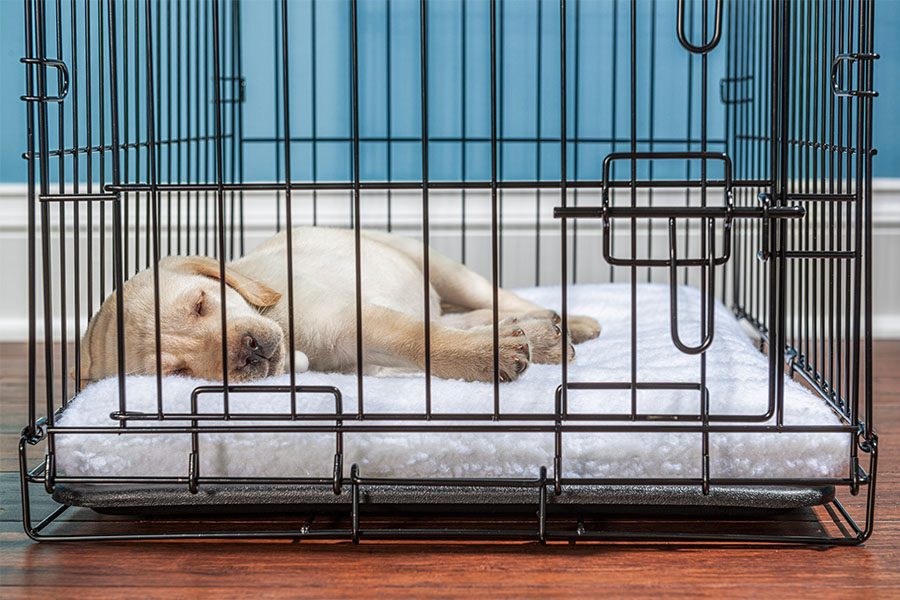
Transitioning your dog from crate dependency to independence is a thoughtful process that requires patience and gradual steps. Here’s a step-by-step approach to ensure a smooth and stress-free transition:
- Assess Your Dog’s Readiness: Before making any changes, ensure your dog exhibits signs of readiness for increased freedom.
- Gradual Crate Reduction: Start by reducing crate time incrementally, allowing your dog to acclimate to spending more time outside the crate.
- Verhalten überwachen: Keep a close eye on your dog’s behavior during this transition to address any issues promptly.
Increasing Out-of-Crate Time
Extending the time your dog spends outside the crate is a delicate process. Consider these strategies:
- Short and Supervised: Begin with short periods of out-of-crate time under supervision.
- Establish a Routine: Maintain a consistent schedule for meals, play, and rest to provide a sense of security.
- Positive Verstärkung: Reward good behavior to encourage your dog to feel comfortable outside the crate.
Introducing Alternative Spaces
Creating alternative safe spaces is key to helping your dog adjust to life without a crate. Here are some techniques:
- Laufställe: Use playpens to provide a smaller, secure area for your dog to explore.
- Gated Areas: Set up gated areas to confine your dog to certain parts of the house.
- Hundesichere Zimmer: Make sure rooms are safe and free of hazards before allowing your dog to roam freely.
Addressing Special Considerations and Concerns

Dog owners have various concerns about crate training, which we’ll address to ensure the well-being of your pet.
Ethical Use of Crates
Using crates ethically is crucial. Follow these guidelines:
- Auf die Größe kommt es an: Ensure the crate is large enough for your dog to stand, turn around, and lie down comfortably.
- Komfort: Make the crate a comfortable space with soft bedding and familiar items.
- Positive Assoziationen: Encourage positive experiences in the crate to avoid it becoming a place of punishment.
Dealing with Separation Anxiety
Separation anxiety can be challenging for both dogs and owners. Here are methods to manage it:
- Gradual Desensitization: Slowly increase the time your dog spends alone to help them adjust.
- Änderung von Verhaltensweisen: Work on training exercises that promote independence and reduce anxiety.
- Specialized Crates: Consider crates with features that can soothe anxious dogs, such as those with built-in cameras or treat dispensers.
Professional Assistance and Crate Alternatives

When the journey from crate training to independence becomes challenging, professional guidance can be invaluable. Here’s when and why you might consider seeking help:
In welchem Alter sollte ich aufhören, eine Hundebox zu benutzen?
Professionelle Hilfe in Anspruch nehmen
There are telltale signs that your dog may need professional intervention. If you notice:
- Resistance to Crate Reduction: Your dog shows signs of distress when crate time is reduced.
- Regressive Behavior: They revert to old habits, such as inappropriate elimination.
- Excessive Anxiety: Signs of anxiety persist or worsen when separated from the crate or when you are not present.
In these cases, consulting with a professional dog trainer or behaviorist can provide personalized strategies to address these issues effectively.
Alternatives to Crating
If crate training isn’t the right fit for your dog, or if you’re seeking additional support, consider these alternatives:
- Haustier-Sitter: For when you need someone to care for your pet while you’re away.
- Hundetagesstätte: A social environment where your dog can spend time with other dogs and humans.
- Technologie: Monitor and interact with your pet using cameras, treat dispensers, and activity monitors.
These alternatives can offer flexibility and variety, catering to your dog’s unique needs and your lifestyle.
Schlussfolgerung

In conclusion, the decision to stop using a dog crate should be based on a gradual, behavior-based approach. Key points to remember include:
- Assessing Readiness: Look for signs of maturity and reliability in your dog’s behavior.
- Gradual Transition: Phase out the crate slowly to avoid stress and ensure a smooth adjustment.
- Ethische Erwägungen: Always use crates in a way that respects your dog’s comfort and well-being.
- Professionelle Unterstützung: Seek help when needed to address specific challenges or behaviors.
- Alternative Optionen: Explore other methods of care and monitoring that can complement or replace crate training.
By taking a thoughtful and tailored approach, you can ensure a successful transition to independence for your dog, promoting their overall happiness and confidence.




 English
  Turkish
  German
  Dutch
Dutch  French
  Greek
Greek  Danish
  Finnish
  Swedish
  Italian
  Polish
  Portuguese
  Russian
  Spanish