

Whether it’s a long road trip or a quick drive to the park, taking your dog along for the ride should be a safe and joyful experience for both of you. Unfortunately, the open road isn’t always the safest place for our furry friends. From the risk of becoming projectiles in an accident to the legal requirements that vary by region, there’s a lot to consider.
This article provides a comprehensive guide to the must-know safety tips for driving with your dog, covering everything from proper restraint to emergency preparedness, ensuring that your adventures on the road are as secure as they are memorable.
Driving with Your Dog Here Are Some Safety Tips: Essential Safety Tips for a Secure Journey
Introduction to Pet Travel Safety
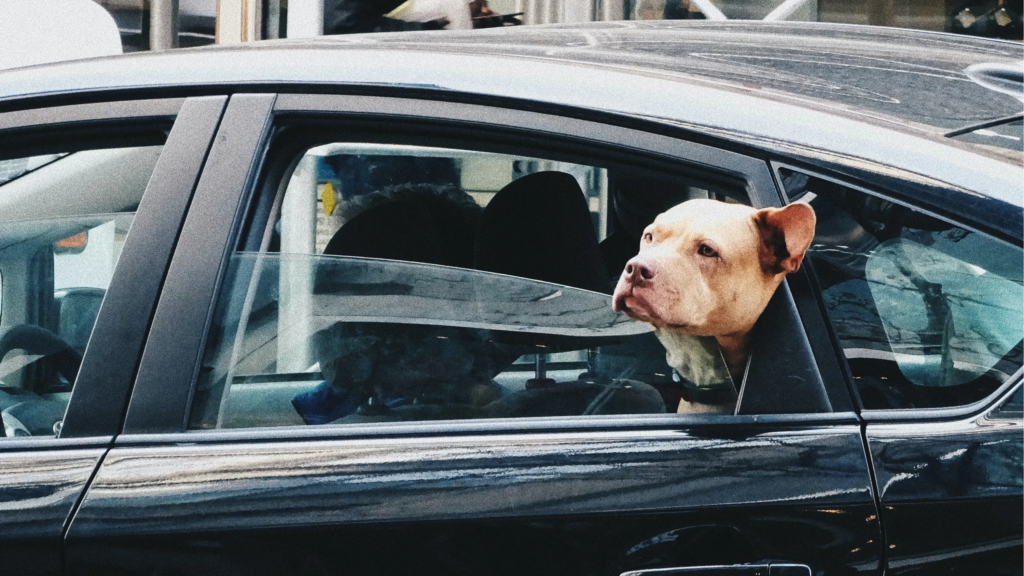
Understanding the Importance of Pet Safety in Vehicles
Driving with your furry friend can be a delightful experience, but it’s crucial to prioritize safety. Pets in the car can become projectiles in an accident, posing a risk to both themselves and the passengers. Here’s a quick checklist to ensure a safe journey:
- Proper Restraint: Always use a dog-specific seat belt or harness.
- Accident Prevention: Keep your pet from roaming the car to avoid sudden movements that could distract you.
- Emergency Preparedness: Have a plan in case of an accident or health emergency.
Overview of Legal Requirements for Driving with Dogs
Different regions have specific laws regarding pet travel. Make sure you’re aware of the regulations in your area, such as:
- Restraint Requirements: Some places mandate the use of safety harnesses.
- Size Restrictions: Certain breeds or sizes may have travel limitations.
- Health Certificates: If crossing state lines, a health certificate might be necessary.
Securing Your Dog in the Car
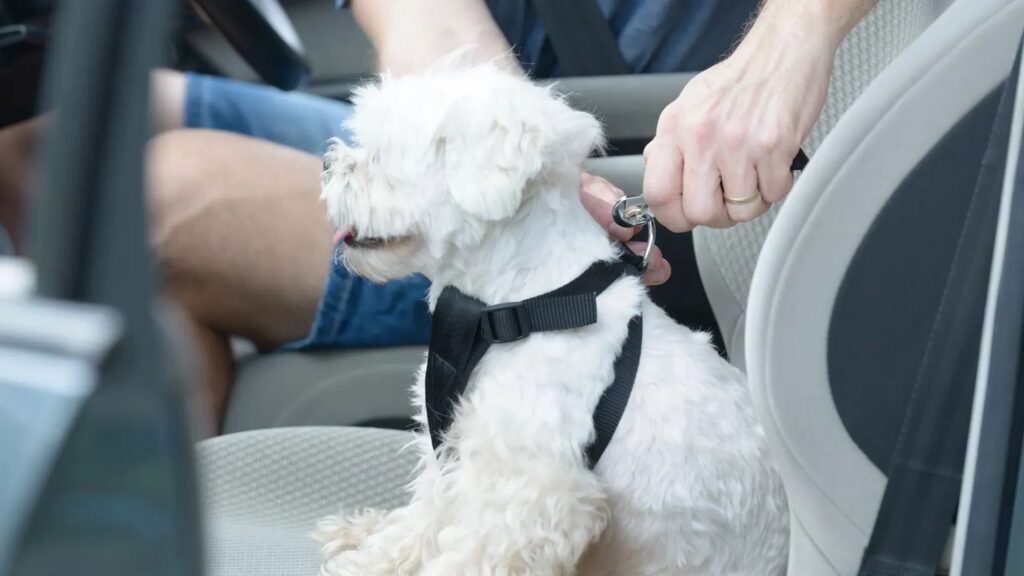
Using Dog-Specific Seat Belts and Harnesses
Selecting the Right Fit for Your Pet
A proper fit is essential for effectiveness. Consider these factors when choosing a harness or seat belt:
- Size: Measure your dog for a snug but comfortable fit.
- Material: Look for durable, non-irritating materials.
- Adjustability: Ensure it can be adjusted as your dog grows.
How to Properly Attach a Seat Belt or Harness
Correct attachment is key to safety:
- Positioning: Place the harness around your dog’s chest and girth, ensuring it’s not too tight.
- Fastening: Secure the buckle and check for any loose ends.
- Testing: Gently tug to make sure it’s secure without restricting movement.
Travel Crates and Carriers
Benefits of Crates for Pet Safety
Crates provide a safe space for your pet during travel:
- Containment: Prevents your pet from roaming and causing accidents.
- Protection: Offers a barrier in case of sudden stops or collisions.
Ensuring Adequate Space and Ventilation
Proper crate selection and setup are vital:
- Size: Choose a crate that allows your dog to stand, turn around, and lie down comfortably.
- Ventilation: Ensure there are enough air holes for proper airflow.
Managing Pet Anxiety During Travel
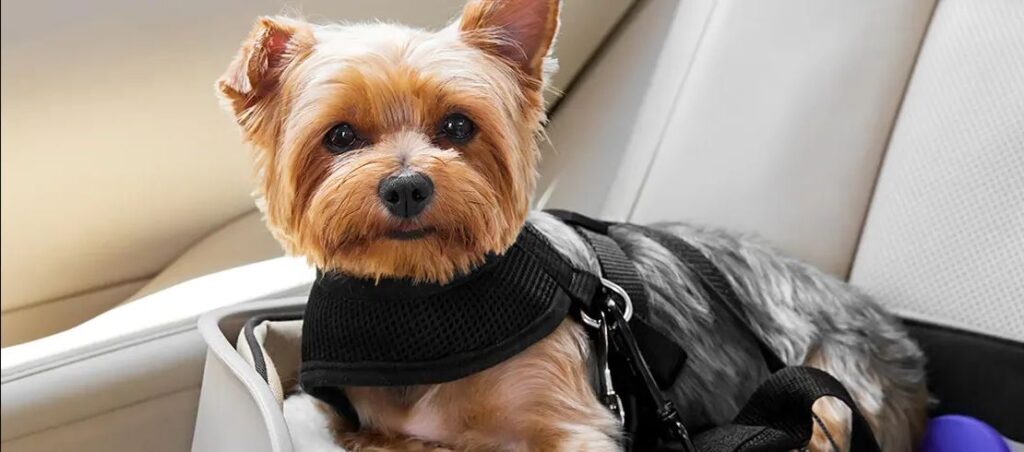
Identifying Signs of Anxiety in Dogs
Anxiety in dogs can manifest in various ways while traveling. Here’s how to spot it:
- Panting or Excessive Salivation: A sign of stress.
- Pacing or Restlessness: Dogs may move around excessively.
- Whining or Barking: Vocalizations can indicate discomfort.
- Lethargy: A sudden change in behavior to being quiet and still.
Tips for Assessment
- Observe your dog’s body language and behavior before, during, and after the trip.
- Keep a travel log to note any signs of anxiety and possible triggers.
Techniques to Soothe Travel Anxiety
Creating a calm environment can help alleviate your dog’s travel anxiety:
- Creating a Familiar Environment with Home Items
- Bring along your dog’s favorite blanket or toy.
- Use a pheromone diffuser to create a calming atmosphere.
- Gradual Exposure to Car Rides
- Start with short, pleasant trips.
- Reward calm behavior to reinforce positive experiences.
Preventing Distractions While Driving
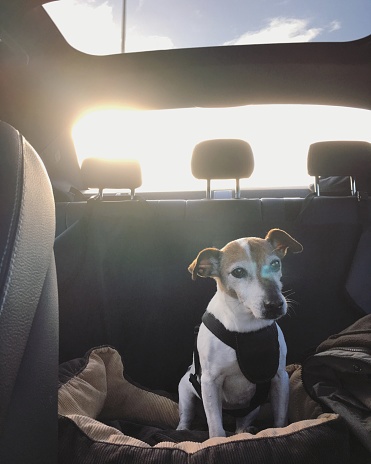
Keeping Your Dog Out of the Front Seat
The front seat is not the safest place for your pet:
- The Risks of Front Seat Travel for Pets
- Airbags can cause injury.
- Pets can interfere with the driver’s ability to operate the vehicle.
- Installing Barriers to Maintain Safe Zones
- Use a pet barrier to create a secure space in the back.
Avoiding Distractions from Unrestrained Pets
Staying focused on the road is crucial for safety:
- Maintaining Focus on the Road
- Avoid turning around or reaching back to pet or correct your dog.
- Techniques for Managing Active Pets
- Train your dog to “settle” or “stay” in their designated spot.
- Provide chew toys to keep them occupied.
Planning for Comfort Breaks and Potty Stops
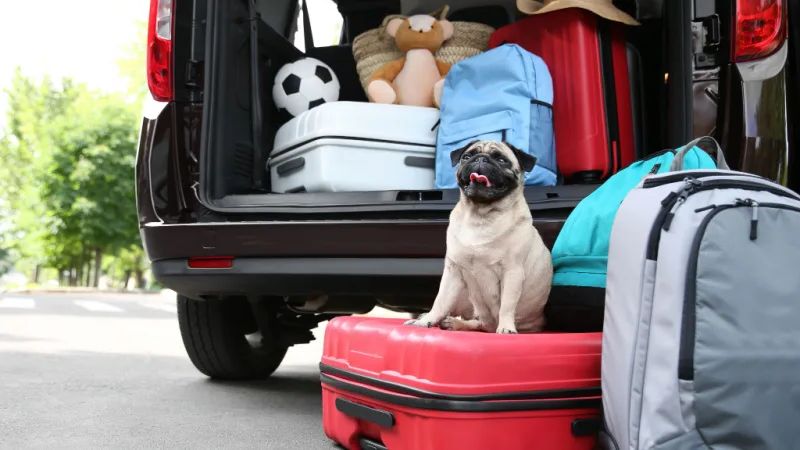
Scheduling Regular Breaks During Long Trips
Long trips can be tiring for both you and your pet. Here’s how to plan for regular breaks:
- Break Frequency: Aim for a break every 2 hours or 100 miles, whichever comes first.
- Duration: Allow 10-15 minutes for each break to stretch, hydrate, and use the bathroom.
- Consider Pet Needs: Adjust the schedule based on your pet’s age, health, and usual routine.
Guidelines for Break Frequency and Duration
- Use a travel app or set reminders to ensure you don’t miss a break.
- Keep a log of breaks to monitor your pet’s comfort and needs.
Driving with Your Dog Here Are Some Safety Tips
Preparing for Potty Emergencies
Unexpected stops may be necessary. Be ready with:
- Absorbent Materials: Have newspapers, pet pads, or towels handy.
- Sanitizing Wipes: For quick clean-up of paws and fur.
- Plastic Bags: For waste disposal.
Strategies for Quick Clean-Up and Hygiene
- Train your dog to use a specific command for going to the bathroom.
- Keep a small trash bag in the car for easy waste disposal.
Dealing with Extreme Temperatures
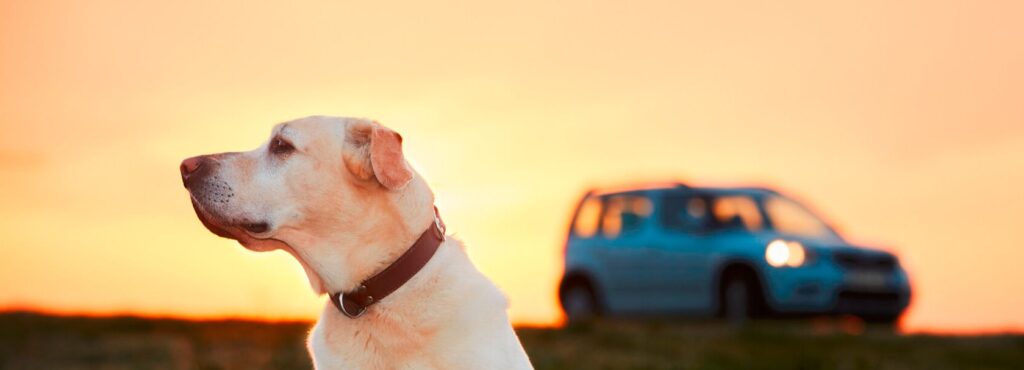
Protecting Your Dog from Hot Car Interiors
High temperatures can be dangerous for pets:
- The Dangers of Heatstroke and Dehydration: Pets can overheat quickly, leading to serious health risks.
- Tips for Keeping the Car Cool:
- Use sunshades to block direct sunlight.
- Leave a window cracked (if safe to do so) for ventilation.
Safeguarding Against Cold Weather Travel
Cold weather can also pose risks:
- Insulating the Car: Use blankets or seat covers to retain heat.
- Dressing Your Dog Appropriately: Provide a coat or sweater for pets with thin fur or who are sensitive to cold.
Tips for Keeping the Car Cool
- Never leave your pet unattended in a parked car, even with the windows cracked.
- Provide fresh water and a cooling mat if the car is parked for a while.
Safeguarding Against Cold Weather Travel
- Check tire treads and weather conditions before setting out.
- Keep a blanket in the car to wrap around your pet if they get cold.
Emergency Preparedness and First Aid

Equipping Your Vehicle with a Pet First Aid Kit
A well-stocked pet first aid kit is an essential part of any pet owner’s travel preparations:
- Essential Items for Immediate Care
- Gauze and adhesive tape for wound care.
- Antiseptic wipes for cleaning minor injuries.
- A digital thermometer for monitoring temperature.
- A pet-safe insect repellent.
- A muzzle and gloves for safely handling an injured pet.
Developing an Emergency Plan
Being prepared for the unexpected is key to ensuring your pet’s safety:
- Steps to Take in Case of Accidents or Health Crises
- Remain calm and assess the situation.
- Call for professional help immediately.
- Apply first aid as needed while waiting for assistance.
Conclusion: Ensuring a Safe and Enjoyable Driving Experience
Recap of Key Safety Tips
As we conclude, let’s review the essential safety tips for driving with your dog:
- Always secure your dog using appropriate restraints or crates.
- Keep your dog from causing distractions while driving.
- Schedule regular comfort breaks and be prepared for emergencies.
- Protect your pet from extreme temperatures inside the car.
- Equip your vehicle with a pet first aid kit and have an emergency plan.
Encouraging Responsible Pet Ownership on the Road
Driving with your pet should be a safe and enjoyable experience for both of you. By following these safety tips and being a responsible pet owner, you contribute to a pleasant journey and help set an example for others. Remember, a well-prepared pet owner leads to a well-behaved and secure pet on the road.



 English
  Turkish
  German
  Dutch
Dutch  French
  Greek
Greek  Danish
  Finnish
  Swedish
  Italian
  Polish
  Portuguese
  Russian
  Spanish