

Stop the Struggle: How to Size a Dog Harness in 3 Easy Steps
Does this sound familiar? You buy a new harness, and your dog either slips out of it like a little magician on your walk, or you take it off to find red, angry marks under their legs. It’s frustrating, and frankly, a little heartbreaking.
Don’t worry, you’re not alone. Finding the right harness can feel like a puzzle, but it’s one of the most important things you can do for your dog’s comfort and safety. Think of it like finding the perfect pair of running shoes for yourself. The right fit changes everything.
This guide will walk you through three simple steps to find that “just right” harness. Let’s turn frustrating walks into happy, safe adventures.
Step 1: Get Ready – Turn Measuring into a Fun Game
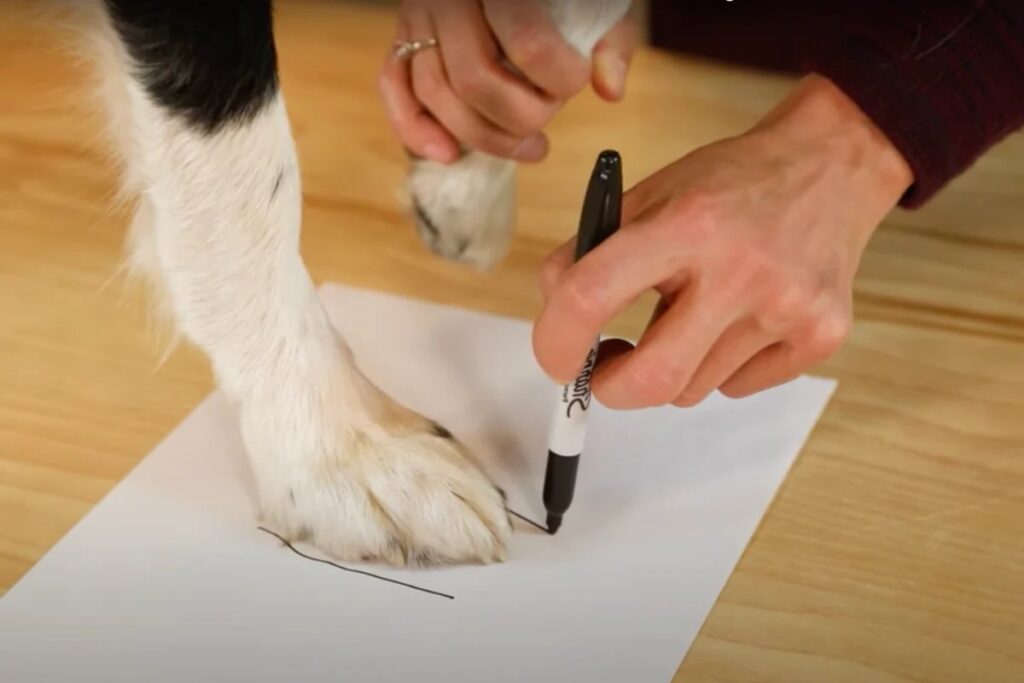
Most dogs aren’t thrilled about being measured. The key is to make it a positive experience, not a chore.
- Choose the Right Moment: The best time is when your dog is calm and relaxed. Try after a long walk or when they’re sleepy after a nap. A tired dog is a patient dog.
- Gather Your Tools: You’ll need a soft, flexible measuring tape (like one for sewing). If you don’t have one, no problem! Just use a piece of string or even a phone charging cable. You can wrap it around your dog, mark the spot with your finger, and then measure that length with a regular ruler. And most importantly, grab some of their favorite treats!
- Be Patient and Positive: Keep the mood light and fun. Praise your dog with a happy voice throughout the process. Give them a treat after each measurement. If they get squirmy, take a break and try again in a few minutes. This is a great bonding moment!
Step 2: The Perfect Fit – How to Measure Correctly (The Most Important Part!)
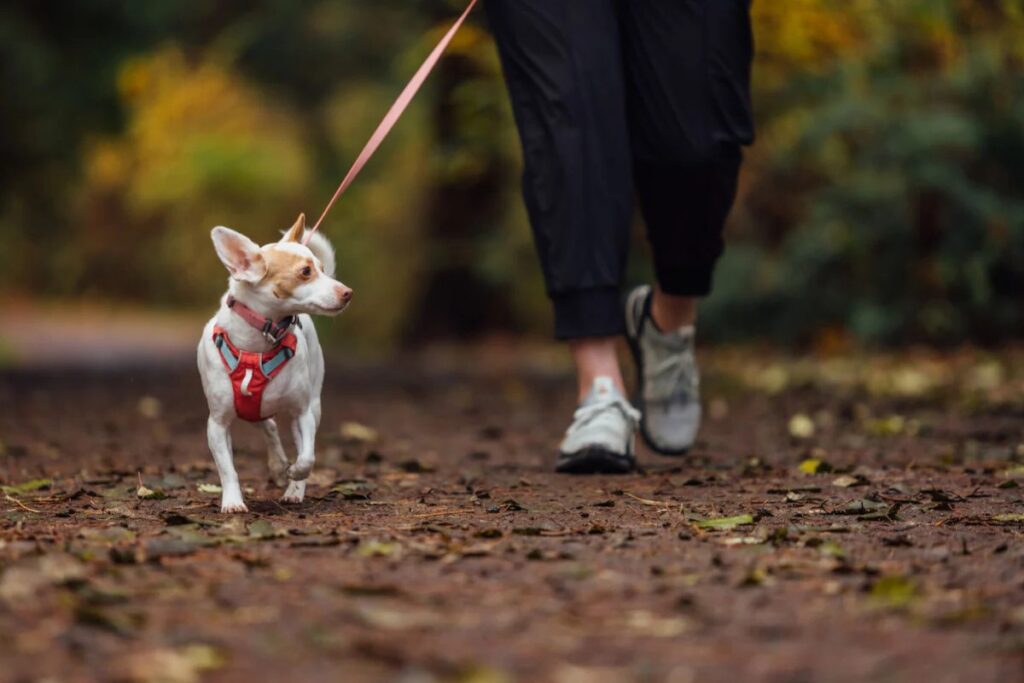
How to Size a Dog Harness?
This is where the magic happens. Almost all fitting problems come from incorrect measurements. Just remember one simple rule: The Two-Finger Rule. You should always be able to comfortably slip two fingers between the measuring tape (and later, the harness) and your dog’s body.
- Measure the Neck:
- Where to measure: Find the base of your dog’s neck, where it broadens to meet their shoulders. This is lower and wider than where their collar usually sits.
- How to measure: Gently wrap the soft tape around this area.
- Check the fit: Slide two fingers under the tape. It should feel snug, but not tight. This ensures it’s secure but won’t restrict breathing or cause discomfort when they move.
- Measure the Chest (The Golden Measurement):
- Why it’s golden: This is the most critical measurement for almost every harness style. The harness needs to be secure around their ribcage to work properly.
- Where to measure: Find the widest part of your dog’s chest, which is usually right behind their front legs.
- How to measure: Wrap the tape all the way around their ribcage from this point.
- Check the fit: Again, use the Two-Finger Rule. Make sure you can fit two fingers underneath the tape.
- Pro Tip for Fluffy Dogs: If your dog has a lot of fur, make sure the tape is snug against their body, not just resting on top of all the fluff. Gently compress the fur so you’re measuring their actual body size.
- Check Their Weight (A Good Double-Check):
- While measurements are key, weight can help you confirm you’re on the right track. Most brands provide a weight range for each size (e.g., Medium: 25-50 lbs).
- How to use it: After you get your measurements, check the brand’s size chart. If your dog’s measurements point to a Medium, but their weight is in the Large category, you should look closer. It might mean you need to size up to accommodate their build. It’s a great way to catch potential sizing issues before you buy.
Write these numbers down on your phone or a piece of paper!
Step 3: Choose the Right Style for Your Dog’s Personality
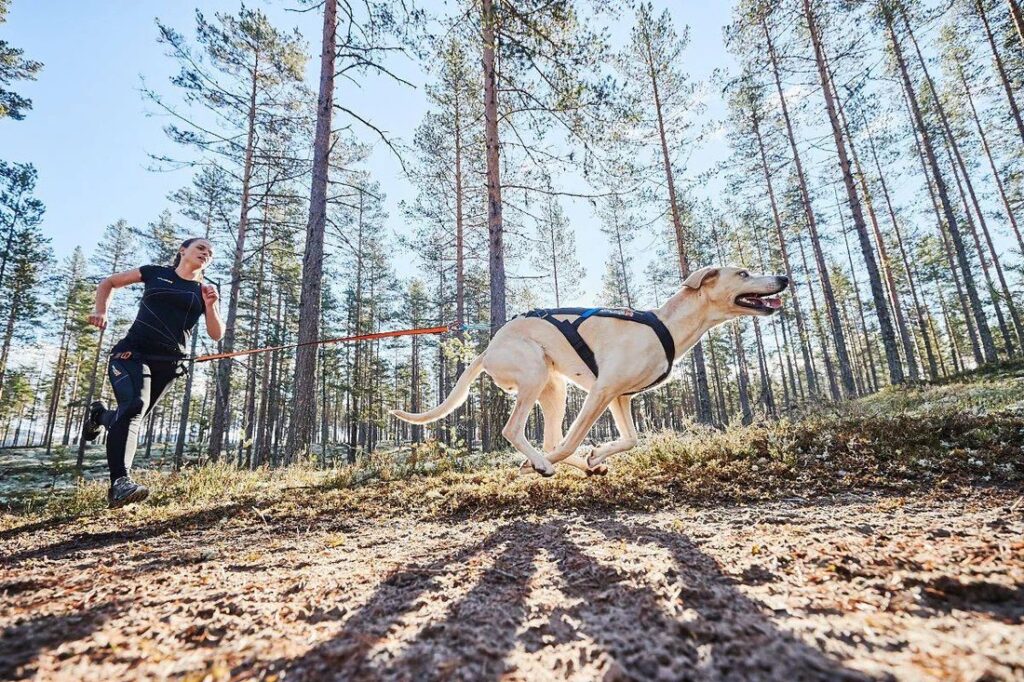
Not all harnesses are created equal. The best one for your dog depends on their habits and personality. Here’s a quick cheat sheet:
| Harness Style | Lo mejor para... | Pros | Contras |
| Standard “H” Harness | The Everyday Explorer. Great for most dogs on daily walks. | Distributes pressure evenly, very secure, and stays away from the throat. | Some dogs dislike having things pulled over their head. |
| No-Pull Harness | The Eager Puller. For dogs who think every walk is a race. | It can be a bit bulkier, which might be warm in the summer. | Requires a little practice to use effectively. |
| Arnés Step-In | The Head-Shy Pup. Perfect for dogs who hate things going over their head. | Your dog just steps their front paws through the loops. It’s fast and stress-free. | Can be a bit bulkier, which might be warm in the summer. |
| Mobility Harness | The Senior or Adventure Dog. For older dogs needing help or dogs who join you on hikes. | Has a sturdy handle on the back to help lift your dog over obstacles or up stairs. | Often heavier and not ideal for casual, everyday wear. |
Conclusion: A Perfect Fit is an Act of Love
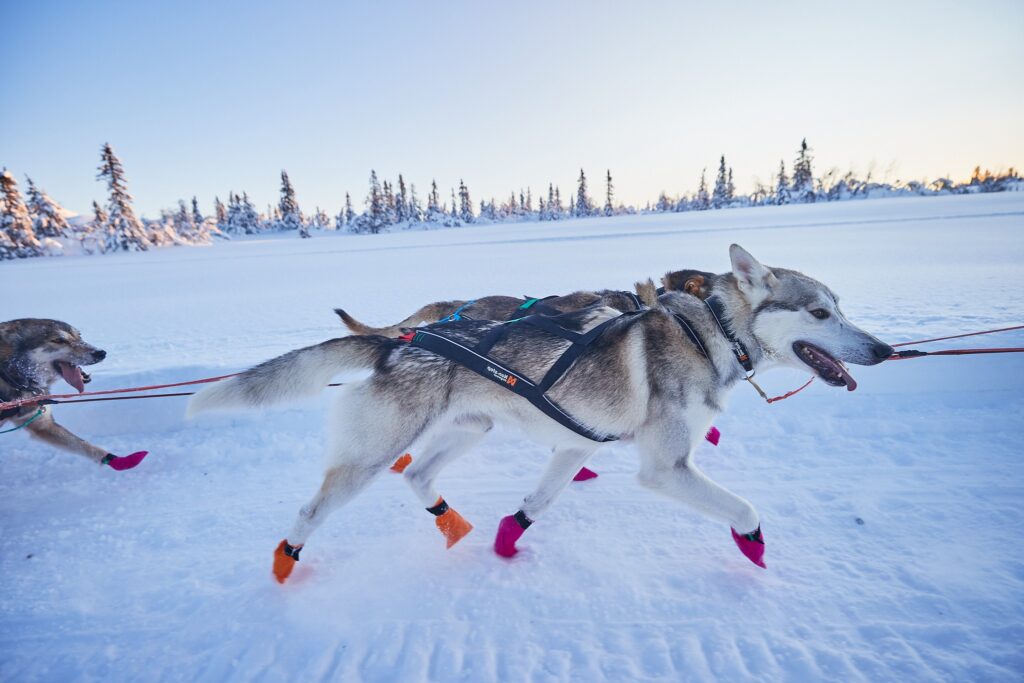
Congratulations! You’re now a harness-fitting expert.
A well-fitting harness is more than just a piece of gear; it’s your way of telling your dog, “I’ve got you. You are safe and comfortable with me.” The joy you’ll feel watching them run freely and safely on their new, perfectly-fitted harness is truly priceless.
Ready to find that perfect harness for your best friend?

 English
  Turkish
  German
  Dutch
Dutch  French
  Greek
Greek  Danish
  Finnish
  Swedish
  Italian
  Polish
  Portuguese
  Russian
  Spanish