

Do Dogs Get Winter Coats: Unraveling Canine Cold Weather Adaptations
Introduction to Canine Winter Coats
Dogs, like many animals, have evolved to adapt to changing environmental conditions. One such adaptation is the development of talvitakit. This article will explore whether all dogs grow winter coats and how these coats help them survive the cold.
Breed-Specific Winter Coat Development
Understanding Breed Differences
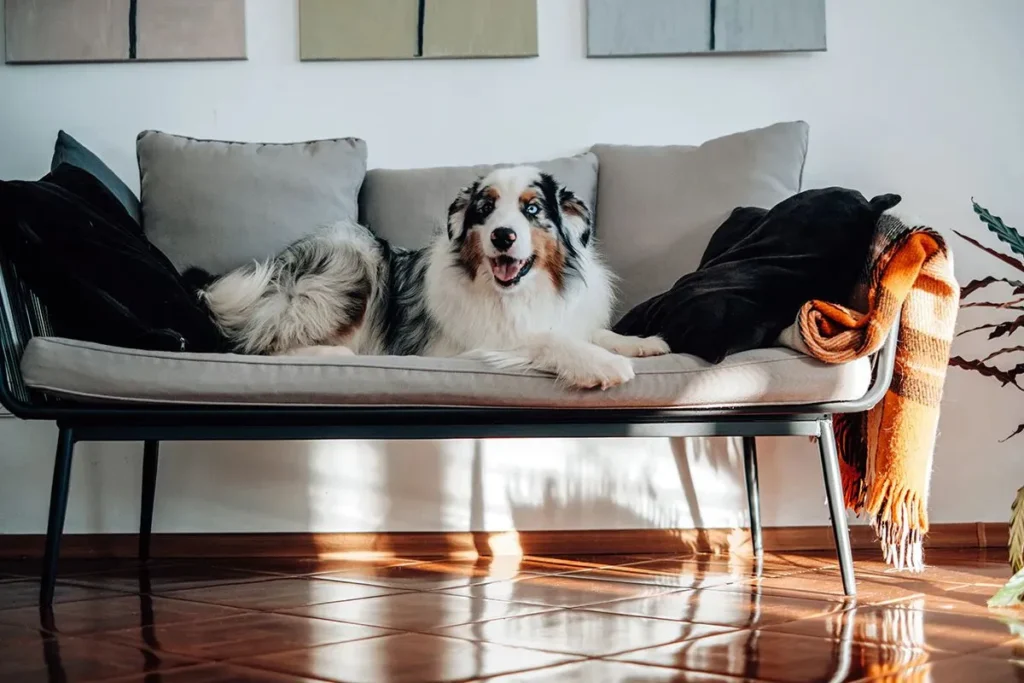
Not all dogs are created equal when it comes to their ability to handle cold weather. Some breeds are naturally better equipped to deal with the cold due to their coat development.
Double-Coated Breeds and Their Cold Weather Adaptations
- Double-Coat Advantages: Double-coated breeds have a dense undercoat that traps warm air close to the skin, providing excellent insulation. Examples include Huskies, Malamutes, and Bernese Mountain Dogs.
- Grooming Tips: Regular brushing is essential to maintain the health of the undercoat and prevent matting.
Single-Coated Breeds and the Need for External Protection
- Single-Coat Challenges: Single-coated breeds, such as Greyhounds and Whippets, have thinner coats and are more susceptible to cold.
- External Protection: For these breeds, dog clothing and proper shelter become crucial for their comfort and health during winter.
Environmental Factors Affecting Dog Coat Growth
How the Environment Shapes Canine Coats
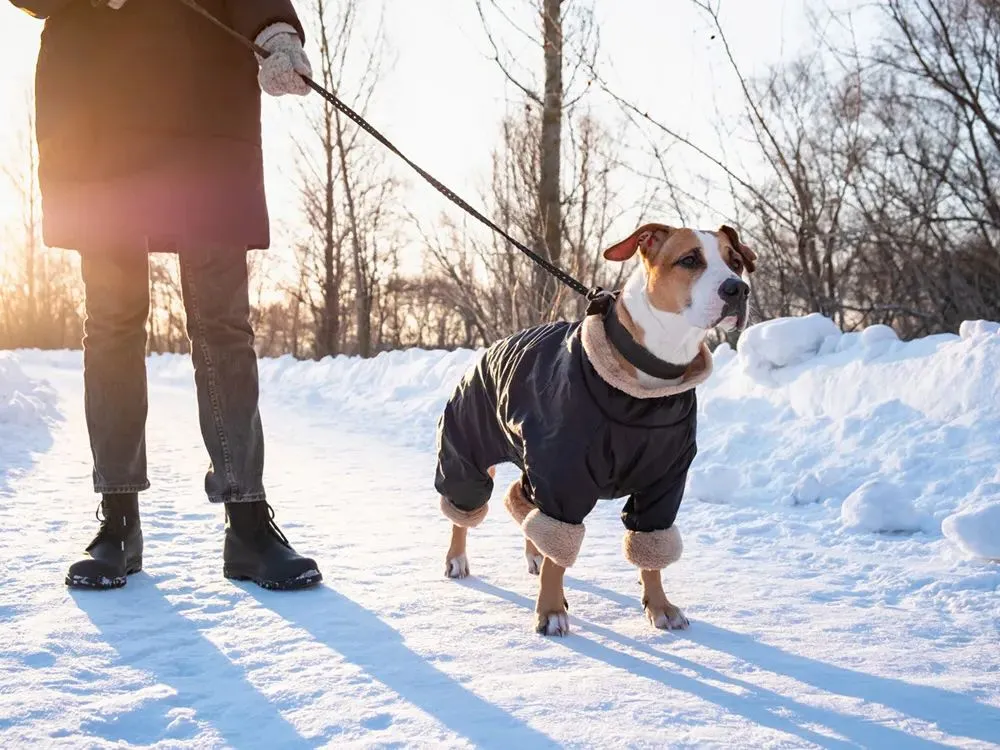
The environment plays a significant role in how a dog’s coat develops and changes throughout the year.
The Impact of Temperature on Coat Thickness
- Lämpötilan säätö: As temperatures drop, dogs’ bodies respond by growing a thicker coat to retain heat. This is a natural adaptation to cold climates.
- Temperature and Breed Sensitivity: Some breeds are more sensitive to temperature changes and may require additional support to stay warm.
Seasonal Changes and Their Influence on Dog Fur
- Seasonal Molting: Most dogs experience a shedding cycle twice a year, often coinciding with seasonal changes. This natural process helps dogs adjust their coat thickness.
- Supporting the Transition: Regular grooming and a balanced diet can support dogs during these transitional periods.
Grooming for Winter: Enhancing Natural Insulation
Maximizing Your Dog’s Winter Coat
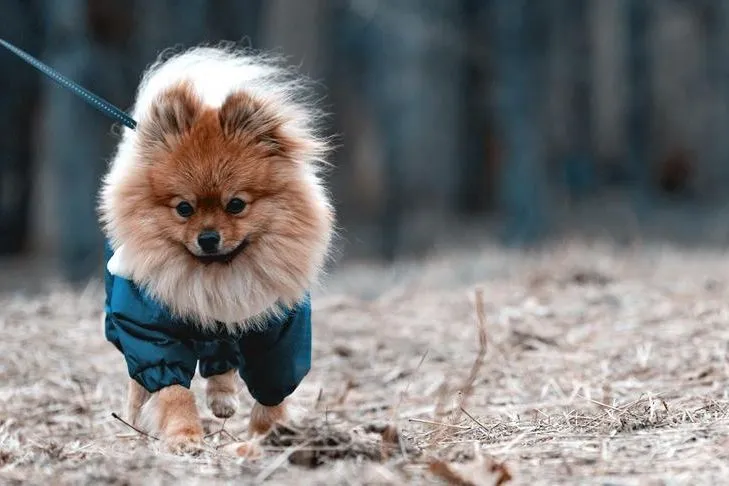
Proper grooming is essential to enhance a dog’s natural insulation and keep them warm during the colder months.
Brushing Techniques to Maintain a Healthy Winter Coat
- Regular Brushing: Brush your dog’s coat at least once a week to remove loose hair and prevent matting. This helps maintain the insulating properties of their coat.
- Brush Types: Use a slicker brush for most breeds and a comb for long-haired dogs to ensure all undercoat hairs are properly aligned.
- Benefits of Brushing: Regular brushing not only removes dead hair but also stimulates the skin, promoting a healthy and shiny coat.
Shedding Patterns and Preparing for Winter
- Understanding Shedding: Dogs naturally shed more in the fall to grow a thicker coat for winter. Recognizing this pattern can help you prepare for the increased grooming needs.
- Shedding Tools: Invest in a quality de-shedding tool to make the process easier and more efficient.
- Valmisteluvinkkejä: Provide extra brushing sessions during peak shedding times to manage hair around the house and ensure a healthy transition to the winter coat.
The Role of Diet in Supporting Winter Coat Health
Nutrition for a Healthy Coat
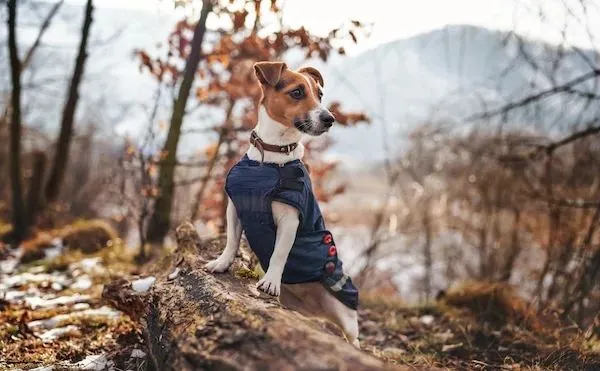
A well-balanced diet plays a crucial role in supporting the health and growth of your dog’s winter coat.
Nutritional Requirements for a Luxurious Winter Coat
- Protein: High-quality protein is essential for strong hair growth. Look for dog food with ample protein sources like chicken, fish, or egg.
- Fatty Acids: Omega-3 and omega-6 fatty acids are vital for a shiny and healthy coat. Fish oil is a great supplement to consider.
- Vitamiinit ja kivennäisaineet: Ensure your dog’s diet includes necessary vitamins and minerals that support overall skin and coat health.
Supplements and Their Impact on Coat Growth
- Choosing Supplements: Consult with your veterinarian before adding supplements to your dog’s diet. They can recommend the right products based on your dog’s specific needs.
- Common Supplements: Biotin, fish oil, and vitamin E are popular supplements known to support healthy skin and coat.
- Supplementing Wisely: Always follow the recommended dosages and be aware that too much of certain supplements can lead to health issues.
Dog Clothing as a Supplement to Natural Coats
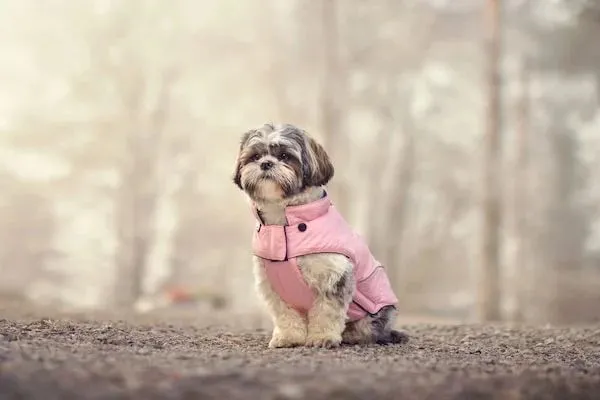
Protecting Your Pup with the Right Gear
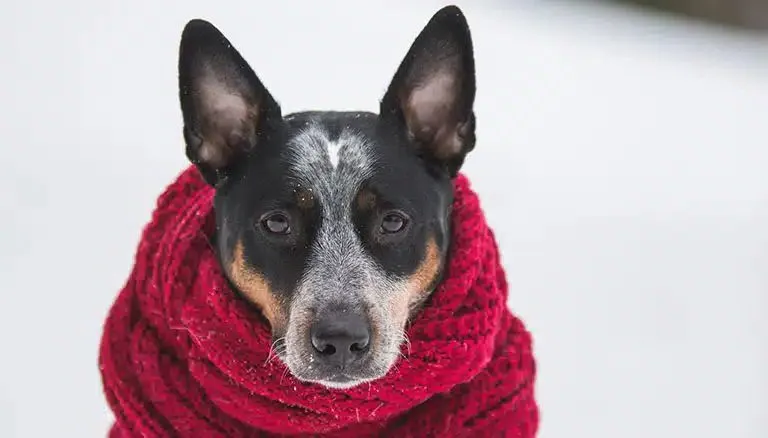
For dogs with thinner coats or those who are more sensitive to the cold, dog clothing can provide an essential layer of warmth and protection.
Types of Dog Coats and Their Benefits
- Fleece vuori: Fleece-lined coats are perfect for retaining body heat and are ideal for cold but dry climates.
- Vedenpitävät takit: If your dog enjoys outdoor activities in wet conditions, a waterproof coat will keep them dry and warm.
- Heijastava reunus: For walks in low-light conditions, coats with reflective trim increase visibility and safety.
- Hengittävät materiaalit: Some coats are made with materials that allow for breathability, preventing overheating during more active outings.
How to Choose the Right Dog Coat for Winter
- Mittaa koirasi: Use a soft measuring tape to get the correct dimensions, including chest girth, neck circumference, and back length.
- Huomioi ilmasto: The type of coat you choose should match the weather conditions your dog will face—cold and dry, wet and snowy, or a mix of both.
- Sopivuus on avainasemassa: Ensure the coat fits snugly but comfortably, allowing your dog to move freely without restriction.
- Helppokäyttöisyys: Look for coats with easy-to-use closures, such as Velcro or buckles, for quick and secure application.
Indoor and Outdoor Living Arrangements for Cold Seasons
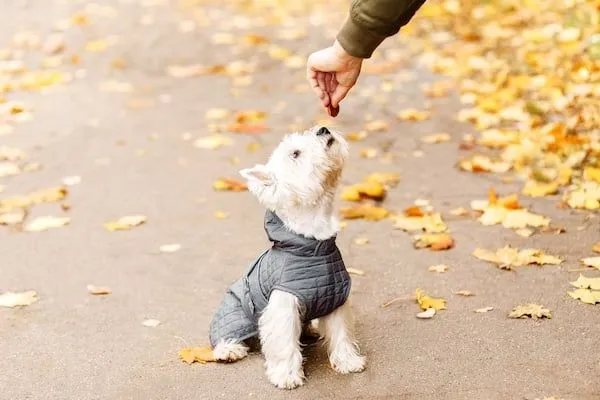
Creating Comfortable Spaces for Your Dog
Whether your dog spends time indoors or outdoors during the winter, it’s important to ensure they have a warm and cozy space to rest.
Creating a Cozy Indoor Environment for Dogs
- Warm Bedding: Provide a warm, comfortable bed with blankets or a heated pet pad to keep your dog cozy.
- Lämpötilan säätö: Keep your home at a comfortable temperature, ideally between 65-70°F (18-21°C) for dogs.
- Draft-Free Zones: Ensure your dog’s resting area is away from drafty doors or windows to prevent them from getting cold.
Insulating Outdoor Dog Houses and Kennels
- Eristys: Proper insulation is crucial for outdoor dog houses. Use materials like straw or foam to insulate the walls and floor.
- Vuodevaatteet: Provide ample bedding, such as straw or blankets, to help retain warmth.
- Suojaa elementeiltä: Ensure the dog house is elevated from the ground and has a roof to protect from snow and rain.
- Ilmanvaihto: While insulation is important, so is proper ventilation to prevent the buildup of moisture and maintain air quality.
Recognizing and Addressing Canine Cold-Related Health Issues
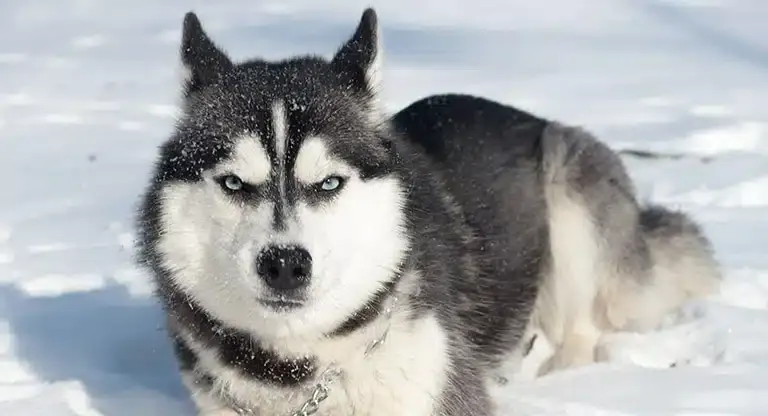
Staying Vigilant for Cold Weather Health Concerns
Cold weather can pose health risks to dogs, but being aware of the signs and taking preventive measures can help keep them safe and healthy.
Do Dogs Get Winter Coats
Signs of Hypothermia and Frostbite in Dogs
- Hypothermia Signs: Look for shivering, lethargy, weakness, or a low body temperature. Hypothermia can be life-threatening if not addressed promptly.
- Frostbite Signs: Check for cold, hard, or discolored skin, especially on the ears, tail, and paws. These areas are more susceptible to frostbite.
- Immediate Actions: If you suspect hypothermia or frostbite, get your dog out of the cold, wrap them in a blanket, and seek veterinary care immediately.
Preventive Measures and Veterinary Care
- Säännölliset tarkastukset: Regular veterinary visits can help identify any underlying health issues that might make your dog more susceptible to cold-related problems.
- Suojavarusteet: Use boots to protect paws from cold surfaces and ice, and consider coats or sweaters for dogs with thin coats or those prone to cold.
- Avoid Extremes: Limit outdoor time during extreme cold snaps and avoid letting your dog stay outside for extended periods without shelter.
The Importance of Exercise and Mental Stimulation in Winter
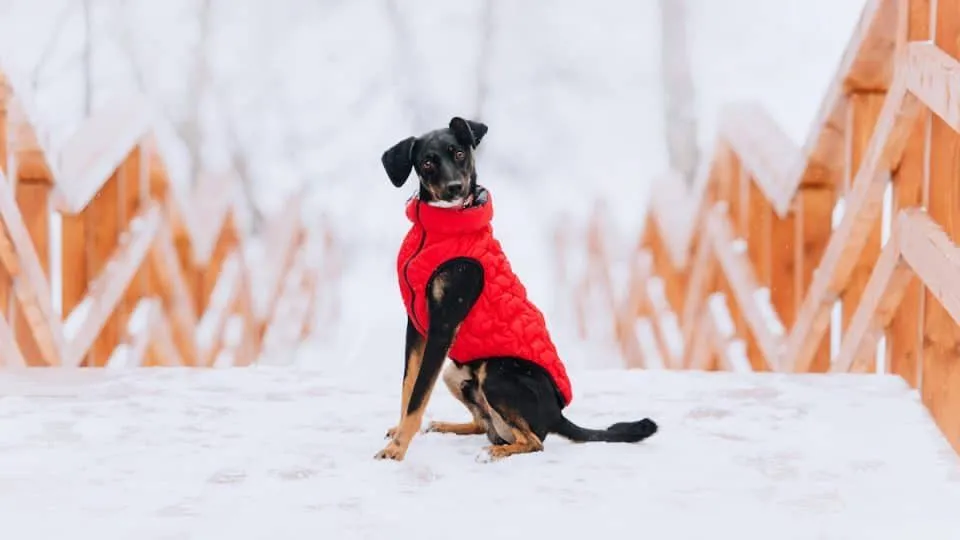
Keeping Your Dog Active and Engaged During Winter Months
Exercise and mental stimulation are crucial for your dog’s overall well-being, even in the colder months.
Adjusting Exercise Routines for Cold Weather
- Warm-Up: Before heading out, give your dog a chance to warm up with some indoor play or a brisk walk indoors.
- Kerrokselliset vaatteet: Consider dog coats or sweaters to keep them warm during outdoor activities.
- Shorter, More Frequent Sessions: Instead of one long walk, opt for shorter, more frequent walks to keep your dog active without exposing them to the cold for too long.
Providing Mental Stimulation Indoors During Winter Months
- Interaktiiviset lelut: Puzzle toys and treat-dispensing toys can keep your dog mentally engaged and stimulated.
- Koulutustilaisuudet: Use the indoor time to work on training and commands, which can be both mentally stimulating and strengthen your bond.
- Indoor Games: Play games like hide-and-seek with treats or toys to keep your dog’s mind active and reduce boredom.
Conclusion: Ensuring Comfort and Health Throughout the Winter
A Comprehensive Approach to Canine Winter Care
As we conclude our exploration of how dogs adapt to cold weather and the measures pet owners can take to ensure their dogs’ comfort and health, it’s clear that a multifaceted approach is necessary.
Recapturing the Essentials for a Dog’s Winter Well-being
- Adaptations and Grooming: We’ve learned that while some breeds have natural cold weather adaptations, others require extra care through grooming and possibly supplements to their diet.
- Diet and Clothing: A balanced diet rich in essential nutrients and the right clothing can significantly impact a dog’s ability to stay warm and maintain a healthy coat.
- Living Arrangements: Whether indoors or out, creating a cozy and insulated environment is crucial for a dog’s well-being during the winter.
- Terveys ja hygienia: Being vigilant about signs of cold-related health issues and adjusting exercise routines are key to keeping dogs healthy and safe.
Establishing a Year-Round Plan for Canine Comfort and Health
- Ennaltaehkäisevä hoito: Regular veterinary check-ups and grooming appointments should be part of a year-round plan to preemptively address potential issues.
- Kausittaiset siirtymät: Pay attention to seasonal changes and adjust your dog’s care routine accordingly, preparing for the transition into and out of winter.
- Hätätilanteisiin varautuminen: Have a plan for extreme weather events and ensure you have necessary supplies on hand to keep your dog safe and comfortable.
- Jatkuva koulutus: Stay informed about the latest in canine health and wellness to continually improve the care you provide.
By integrating these strategies into your routine, you can help your dog not only survive but thrive during the winter months. A little preparation and attention to detail can make a world of difference in your dog’s quality of life. After all, a happy and healthy dog is a warm and well-cared-for dog.


 English
  Turkish
  German
  Dutch
Dutch  French
  Greek
Greek  Danish
  Finnish
  Swedish
  Italian
  Polish
  Portuguese
  Russian
  Spanish