
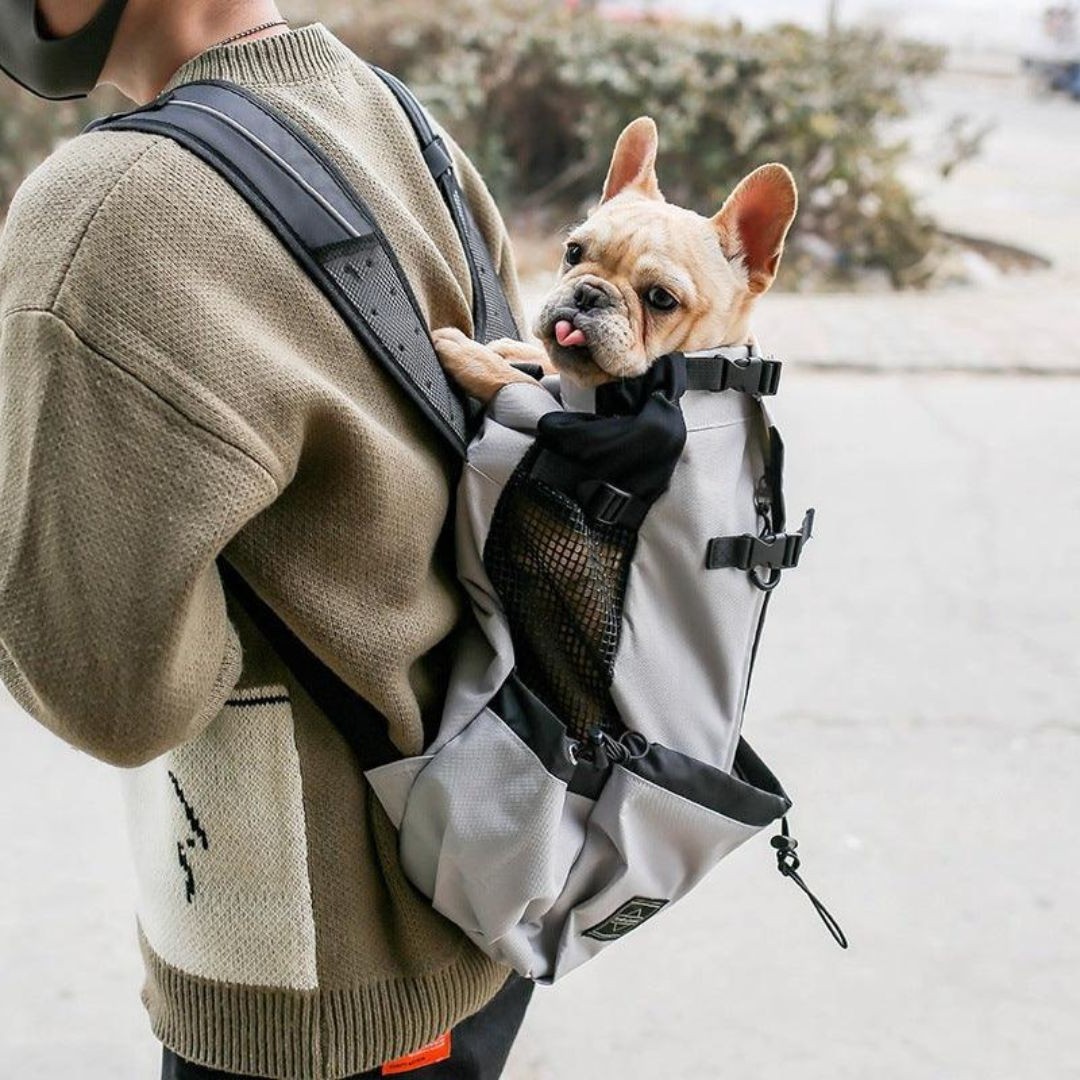
Exactly How Long Should a Dog Stay in a Carrier?

An adult dog should stay in a kantaja for no more than 6 to 8 hours during travel. For daily confinement, limit this time to 2 to 4 hours. Puppies and senior dogs require breaks every 1 to 2 hours. Proper ventilation and structural support dictate these exact limits.
We follow strict industry guidelines when designing pet travel products. Time limits depend heavily on the dog’s age and the travel context. We design our carriers to support these specific durations:
- Adult dogs (Travel): 6 to 8 hours maximum.
- Adult dogs (Daily use): 2 to 4 hours.
- Puppies and seniors: 1 to 2 hours maximum.
How Upgraded Ventilation Materials Reduce Retail Return Rates?
Airflow directly impacts how long a dog can safely remain inside. We never use standard cheap netting. We source 250g/m² high-density, tear-resistant PVC mesh for our windows. This specific material increases airflow by 30% compared to standard polyester mesh. It keeps the internal temperature stable. Proper temperature control prevents heat exhaustion and extends the safe comfort period for the pet.
For example, in 2024, we helped a top-tier Amazon seller transition from standard polyester to our 250g/m² PVC mesh. Within six months of launching the upgraded model, their customer return rate due to ‘poor ventilation/heat’ dropped from 8% to just 1.2%, saving them thousands in reverse logistics costs.
Structural Integrity: Why 3mm Fiberglass Frames Prevent Product Recalls?
A dog needs space to stand, turn around, and lie down naturally. A sagging roof causes cramping and anxiety. We build our carriers with 3mm fiberglass rod frames. This reinforced structure prevents the top from collapsing under pressure. It guarantees the internal volume remains constant throughout a long flight or car ride. We make sure the dog experiences zero structural compression.
B2B Takeaway: The Importance of Verified Structural Testing
We help our retail partners build consumer trust by providing carriers backed by verified structural testing. We simulate 8-hour usage stress tests in our factory to guarantee performance. Our quality control team runs 20kg load-bearing drop tests. We also perform 10,000-cycle zipper fatigue tests using YKK RC (Racquet Coil) zippers. We ensure the carrier holds its shape and secures the dog for the entire trip. We handle this rigorous testing so our buyers can sell with confidence.
Buyer’s Tip: Many budget factories cut costs by using untreated steel wire frames inside the carrier edges. These cheap wires rust quickly when exposed to pet urine or high humidity. Eventually, they snap and poke the dog. We exclusively use rust-proof fiberglass frames or PE-coated steel wires that pass REACH Annex XVII standards for heavy metal compliance. We manage this strict material selection so our retail partners avoid dangerous product recalls.
Can a Puppy Stay in a Carrier Longer Than an Adult Dog?

Puppies absolutely cannot stay in a carrier longer than adult dogs. A puppy can hold its bladder for only one hour per month of age. A three-month-old puppy needs a bathroom break every three hours maximum. We design our puppy-specific travel bags to accommodate these short, frequent transit intervals.
Material Considerations for Puppies
Accidents happen constantly with young dogs. To combat constant puppy accidents, the interior bottom of our carriers is lined with 600D Oxford cloth featuring a 0.15mm TPU waterproof coating. Unlike basic PU coatings that peel and flake after just three washes, this advanced TPU layer actively prevents urine from soaking into the base foam. This specific material selection ensures long-term hygiene and allows owners to wipe the surface clean in seconds.
Chew-Resistant Features
Teething puppies chew and dig at their surroundings. We use anti-scratch 900D nylon for the main interior body panels. We also install auto-locking SBS zippers on all mesh windows. A puppy pawing at the zipper pull cannot force the track open from the inside. We engineer these chew-resistant and escape-proof features to drastically drop product return rates for our retail partners.
Lifecycle Purchasing
Pet owners buy multiple carriers as their dogs grow. We offer mixed-size variations in our wholesale containers. Retailers can stock small carriers for puppies and large carriers for adult dogs in a single order. We structure our bulk shipments this way. We help buyers capture the entire pet lifecycle market without overstocking a single size.
Buyer’s Tip: Many budget factories use cheap corrugated cardboard inside the removable bottom pad to save money. If a puppy urinates, the cardboard absorbs the liquid, swells, and grows mold instantly. We completely reject cardboard inserts. We use 4mm corrugated plastic (PP) boards inside our base pads. They remain 100% waterproof and pass strict CA Prop 65 tests for phthalates. We control this hidden component so our buyers never deal with bad reviews about smelly, ruined carriers.
What Happens if a Dog Stays in a Carrier Too Long?
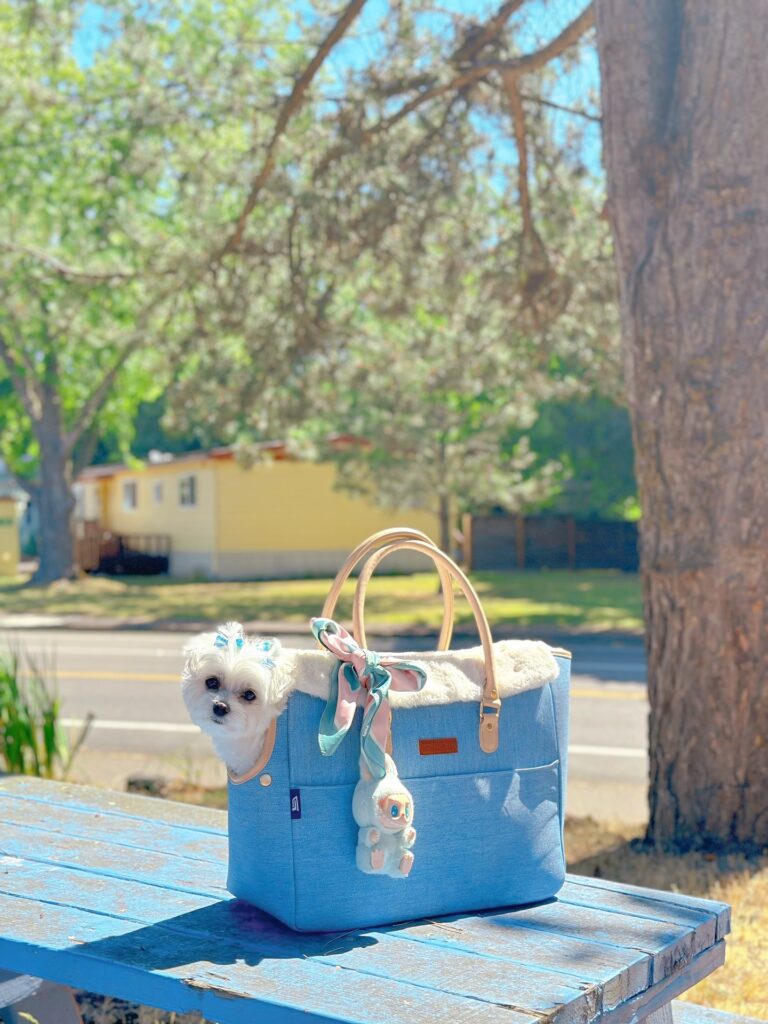
If a dog stays in a carrier too long, it suffers from severe joint stiffness, dehydration, and extreme behavioral anxiety. Poor ventilation traps body heat and causes rapid heatstroke. We engineer our carriers to prevent these physical and mental dangers during extended travel.
How Do Prolonged Stays Cause Physical and Mental Stress?
Dogs face severe health risks during extended confinement. We track these specific dangers when designing our products:
- Joint stiffness: Lack of movement cramps muscles and hurts joints.
- Kuivuminen: Restricted access to water bowls causes rapid fluid loss.
- Behavioral anxiety: Tight spaces trigger panic, digging, and excessive barking.
We design our carriers with expandable side panels to combat these issues. A fold-out mesh tent adds 40% more floor space during airport layovers. We help dogs stretch their muscles and reduce travel stress without leaving the bag.
Why Do Cheap Materials Cause Temperature Control Issues?
Low-grade fabrics trap body heat inside the bag. A cheap 210D polyester lining acts like a greenhouse. It blocks airflow completely. It spikes the internal temperature within minutes. This heat retention makes long stays incredibly dangerous for the pet.
How Do We Solve Heat Trapping in Manufacturing?
Heat retention is solved by sourcing advanced textiles. Breathable, non-toxic RPET (recycled polyethylene terephthalate) fabrics are utilized for the main body. These eco-friendly materials pass REACH SVHC (Substances of Very High Concern) testing and actively regulate internal temperatures. Furthermore, the integration of dual-sided ventilation windows creates a constant cross-breeze to cool the dog.
How Can Buyers Use These Pain Points for Marketing?
Retailers can use these exact consumer pain points to boost sales. We provide our B2B partners with detailed material specifications and thermal testing reports. Buyers can highlight our temperature-regulating fabrics and expandable frames directly in their Amazon or Shopify product listings. We give retailers the exact data they need to upsell highly ventilated models over cheap competitors.
Buyer’s Tip: Many budget factories use cheap, dark-colored PVC interior linings to hide dirt and save money. These dark plastics absorb sunlight and literally bake the dog. Worse, cheap PVC often contains high levels of lead. We exclusively use light-colored, food-grade PEVA (polyethylene vinyl acetate) linings. Our PEVA reflects heat and easily passes CA Prop 65 toxicity standards. We manage this material sourcing so our buyers never face heatstroke complaints or legal compliance issues.
| Ominaisuus | Budget Factories | Our Factory Standards | B2B Benefit |
| Frame Wire | Untreated steel wire | 3mm Fiberglass / PE-coated steel | Prevents rust, avoids product recalls |
| Bottom Pad | Aaltopahvi | 4mm PP board (100% waterproof) | Zero mold, eliminates bad reviews |
| Interior Lining | Cheap dark PVC | Light-colored food-grade PEVA | Passes CA Prop 65, prevents heatstroke |
| Mesh-ikkunat | Standard polyester mesh | 250g/m² tear-resistant PVC mesh | 30% more airflow, escape-proof |
Soft-Sided vs. Hard-Sided Carriers: Which is Better for Long Trips?

Pehmeäpintaiset kantolaitteet work best for in-cabin flights because they easily compress under airplane seats. Kovapintaiset kantolaitteet provide essential impact protection for cargo travel. We recommend choosing the carrier type based entirely on the airline requirements and the specific travel environment.
Why Choose Soft-Sided Carriers for In-Cabin Travel?
Soft-sided carriers offer extreme flexibility for under-seat airline travel. We manufacture these bags using 600D high-density polyester. This specific fabric resists tearing while remaining highly pliable. The soft top compresses easily to meet strict airline dimensions without crushing the pet. We prioritize these lightweight materials to keep the total travel weight well below airline limits.
When Do Hard-Sided Carriers Make Sense?
Airlines strictly require hard-sided carriers for cargo transport. We mold these crates using high-impact Polypropylene (PP) or Acrylonitrile Butadiene Styrene (ABS) plastics. These rigid materials survive heavy impacts during rough baggage handling. They protect the dog from falling luggage and severe turbulence. We ensure our plastic crates pass IATA (International Air Transport Association) crash test standards.
| Kuljetuslaite Tyyppi | Paras | Main Materials | Freight & Logistics Impact |
| Pehmeäpintainen | In-cabin flights, daily use | 600D Polyester, Fiberglass frame | High space-saving: Collapses flat. 10 units/carton. |
| Hard-Sided | Cargo transport, high impact | 100% Virgin PP / ABS | Volume-heavy: Ships nested or assembled. |
| Hybrid (EVA) | Premium retail, under-seat | Rigid EVA base + 600D soft top | Balanced: Stackable base, premium market positioning. |
How Do Carrier Types Affect Freight Costs?
Freight costs heavily influence retail margins. We always analyze shipping volume for our B2B partners. We track these specific logistical differences:
- Soft carriers: These collapse completely flat. We fit 10 units into a single standard master carton. This design saves massive amounts of international shipping fees and warehouse space.
- Hard carriers: Rigid crates ship fully assembled or nested. They consume huge amounts of shipping container volume.
We help retailers maximize their profit margins by balancing these exact freight costs.
Consider a recent case with a European wholesale client. By redesigning their soft-sided carrier to collapse 15% flatter without compromising the fiberglass frame, we helped them fit 1,200 additional units into a single 40HQ container. This simple structural optimization saved them over $3,000 in freight costs per shipment.
What Are Hybrid Carrier Innovations?
We now manufacture hybrid carriers to combine the best features of both traditional styles. We mold a rigid EVA (Ethylene-Vinyl Acetate) base and attach a flexible 600D polyester top. The hard base provides solid stability and prevents bottom sagging. The soft top allows easy under-seat storage. We offer this unique design so our buyers can stand out in a crowded retail market.
Buyer’s Tip: Many budget factories use cheap recycled ABS plastic for hard-sided carriers to cut costs. This recycled material becomes extremely brittle in cold airplane cargo holds. It shatters easily upon impact. We exclusively use 100% virgin PP plastic for our hard crates. Virgin PP maintains high impact resistance even at freezing temperatures. We control this raw material sourcing so our buyers avoid catastrophic product failures during flights.
How to Choose the Right Carrier to Maximize Comfort and Safety?

Navigating IATA compliance and hardware durability can be complex. We simplify this process for you by providing fully certified carriers, transparent QC audit reports, and premium hardware. We recommend selecting carriers with auto-locking zippers, rust-proof D-rings, and reinforced stitching. We partner with ISO-certified manufacturers to guarantee consistent safety.
Why Do Safety Certifications Matter for Travel Carriers?
Airlines strictly enforce IATA (International Air Transport Association) dimensions. We design our carriers to fit exactly under standard commercial airline seats. We also use crash-tested materials for the main body. A cheap bag tears easily during sudden car stops. We use high-tenacity fabrics that withstand 30kg pull tests. We ensure the carrier keeps the pet completely secure during severe turbulence.
What Hardware Details Maximize Carrier Safety?
Hardware failures cause most pet escapes. We focus on these specific manufacturing details to maximize safety:
- Auto-lock zippers: We use SBS auto-locking sliders. A dog cannot push these zippers open from the inside.
- Rust-proof D-rings: We cast solid zinc alloy D-rings for shoulder straps. We never use cheap welded iron rings that snap under heavy loads.
- Vahvistetut ompeleet: We apply Bar-tack stitching at all stress points. We mandate 8 to 10 stitches per inch (SPI) instead of the standard 5 SPI.
Tapaustutkimus: A pet startup approached us after facing severe negative reviews because their previous supplier’s D-rings kept snapping. We helped them re-engineer the strap system using our cast solid zinc alloy D-rings and 10 SPI Bar-tack stitching. Since the relaunch, they have sold over 50,000 units with zero reported hardware failures.
How Do You Select a Reliable Manufacturing Partner?
Finding a good factory requires strict auditing. We maintain ISO 9001 -sertifioinnit to guarantee consistent production quality. We provide a fully transparent supply chain. Buyers can trace every roll of fabric back to the raw material supplier. We run strict quality control (QC) inspections at three different production stages. We catch material defects before the products ever leave the factory floor.
How Do Purchasing Logistics Work for Bulk Orders?
Purchasing logistics dictate your retail cash flow. We set our Minimum Order Quantities (MOQs) at 500 pieces per color. This volume allows us to source premium custom fabrics directly from the mills. Our standard production lead time runs 35 to 45 days. We always produce a customized pre-production sample first. We ship this physical sample to our buyers for final approval before we start mass production.
Buyer’s Tip: Many budget factories cut costs by using cheap Polypropylene (PP) webbing for shoulder straps. PP webbing degrades quickly under UV sunlight. It frays and snaps easily after a few months of use. We exclusively use high-density Nylon webbing. Nylon costs slightly more, but it passes a 50kg tensile strength test without tearing. We control this hardware selection so our buyers never face lawsuits from dropped carriers.
Are Premium Custom Carriers Worth the Investment for Pet Brands?

Premium custom carriers absolutely justify the investment for pet brands. Modern pet owners gladly pay higher retail prices for verified safety and comfort. Sourcing directly from a reputable factory secures excellent wholesale profit margins. We build unique, durable carriers that dominate competitive platforms like Amazon and Chewy.
Why Do Consumers Pay More for Safe Travel?
Today, owners treat dogs like human children. They refuse to put their pets in cheap, flimsy bags for an 8-hour flight. We track market data showing consumers happily spend over $100 on a carrier if it guarantees safety. We build our bags to meet this exact demand. We use heavy-duty materials that give pet parents total peace of mind during long trips.
How Does Direct Sourcing Protect Profit Margins?
Buying through middlemen destroys your profit margins. We manufacture directly in our own facilities. This direct relationship allows us to upgrade materials without inflating your wholesale cost. We add expensive features like YKK RC zippers and 900D nylon while keeping your landed cost low. We protect your bottom line so you can scale your retail business effectively.
What Features Create Brand Differentiation?
Standing out on competitive platforms like Amazon or Chewy requires unique selling points. Brands can capture market share through engineered functional features:
- Expandable sides: Fold-out mesh patios double the resting space during layovers.
- Integrated water bowl holders: Spill-proof silicone bowl attachments ensure easy hydration.
- Smart tracking pockets: We sew hidden compartments specifically for Apple AirTags or GPS trackers.
- These specific upgrades are designed to make your product listing unbeatable.
We design these specific upgrades to make your product listing unbeatable.
How Do We Mitigate Risk for Pet Brands?
A high return rate kills a brand instantly. We mitigate this risk through strict quality control and reliable after-sales support. We provide clear, legally binding warranty terms for every bulk order. If a manufacturing defect occurs, we replace the unit immediately. We take on this manufacturing risk so our buyers keep their five-star reviews and protect their brand reputation.
Buyer’s Tip: Many budget factories cut costs by single-stitching the mesh windows directly to the main fabric. A stressed dog will easily scratch through this weak seam in ten minutes. We bind all internal mesh seams with heavy-duty nylon tape. We then double-stitch them using bonded nylon thread with a 15kg break strength. We control this hidden construction detail so our buyers never face lawsuits over escaped or injured pets.
Conclusion: Quality Dictates Comfort and Safety

A dog’s time inside a carrier depends heavily on its age and the specific journey. However, the physical carrier dictates the actual safety and comfort of the pet. We consider high-quality materials, proper ventilation, and sturdy construction completely non-negotiable. We engineer our products to meet these exact standards. We ensure every bag performs perfectly under real-world travel conditions.
Are you looking to upgrade your pet travel product line with high-quality, airline-approved carriers? As a leading pet products manufacturer, we offer competitive wholesale pricing, OEM/ODM customization, and rigorous quality control.
Stop losing margins to high return rates caused by cheap manufacturing. Partner with a factory that understands materials, compliance, and logistics.
Ready to upgrade your product line? Contact us today to request our 2026 B2B Wholesale Catalog and a free material swatch book (including our TPU and 900D Nylon samples). Send us your tech pack, and our engineering team will provide a structural feasibility report and quote within 48 tuntia.


 English
  Turkish
  German
  Dutch
Dutch  French
  Greek
Greek  Danish
  Finnish
  Swedish
  Italian
  Polish
  Portuguese
  Russian
  Spanish