

Dog hair on clothes—sound familiar? For many pet owners, it’s one of the most common daily frustrations.
Whether you’re managing a house full of pets or working in the pet products industry, like selling lits pour animaux, dealing with pet hair can feel like a never-ending battle.
Now, let’s be honest: eliminating dog hair isn’t realistic. However, here’s the good news—there are simple and effective strategies to reduce it.
These tips won’t just help pet owners at home. If you’re a bulk buyer or retailer of pet bedding products, like lits pour chiens résistants à la mastication ou Lits écologiques pour chiens, you can also improve your customers’ experience and extend the lifespan of your products.
Ready to tackle the dog hair problem head-on? Let’s dive into practical solutions that work for both pet owners and the pet product industry alike.
Understanding the Problem: Why Dog Hair Clings
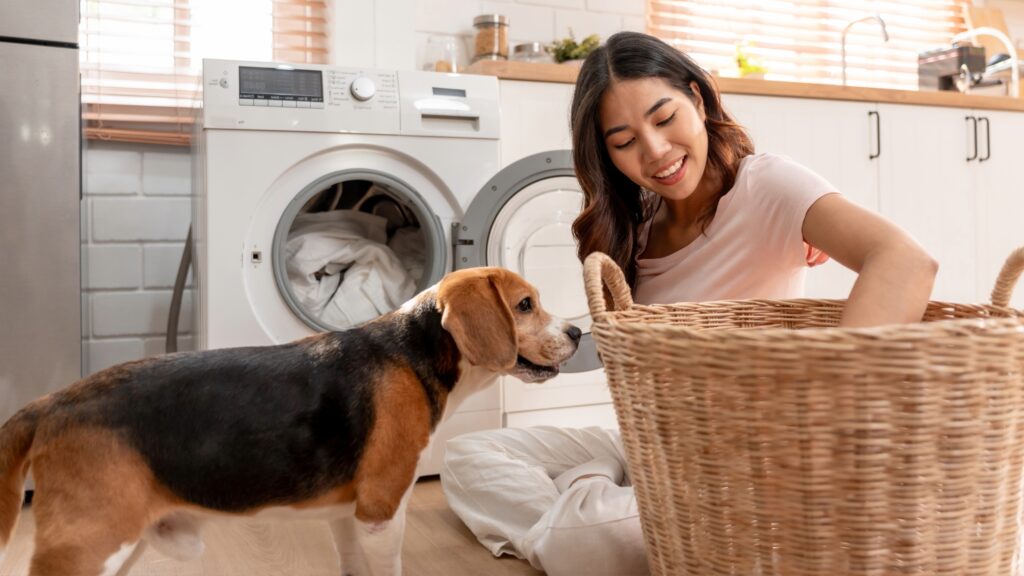
Dealing with dog hair isn’t as simple as it seems. To effectively manage it, you first need to understand why it clings so stubbornly—and how choosing the right fabrics or lits orthopédiques pour chiens can make a difference.
| Raison | Impact | Solution |
| Static attraction | Dog hair easily sticks to fabrics such as cotton or polyester due to static electricity. | Choose anti-static materials such as microfiber or linen. |
| Hair embedded in fabric fibers | Soft or densely woven fabrics tend to trap pet hair, making it difficult to clean. | Use tightly woven, easy-to-clean materials. |
| Breed and coat type | Double-coated breeds such as Huskies or German Shepherds shed heavily and are harder to clean. | Offer specially designed anti-hair lits pour chiens en mousse à mémoire de forme |
| Hair moisture and oil | Environmental humidity or natural oils from the dog’s coat cause hair to adhere more easily to fabric. | Choose high-performance, water- and oil-resistant materials such as lits imperméables pour chiens |
Preventive Tips: How to Stop Dog Hair Before It Gets on Clothes
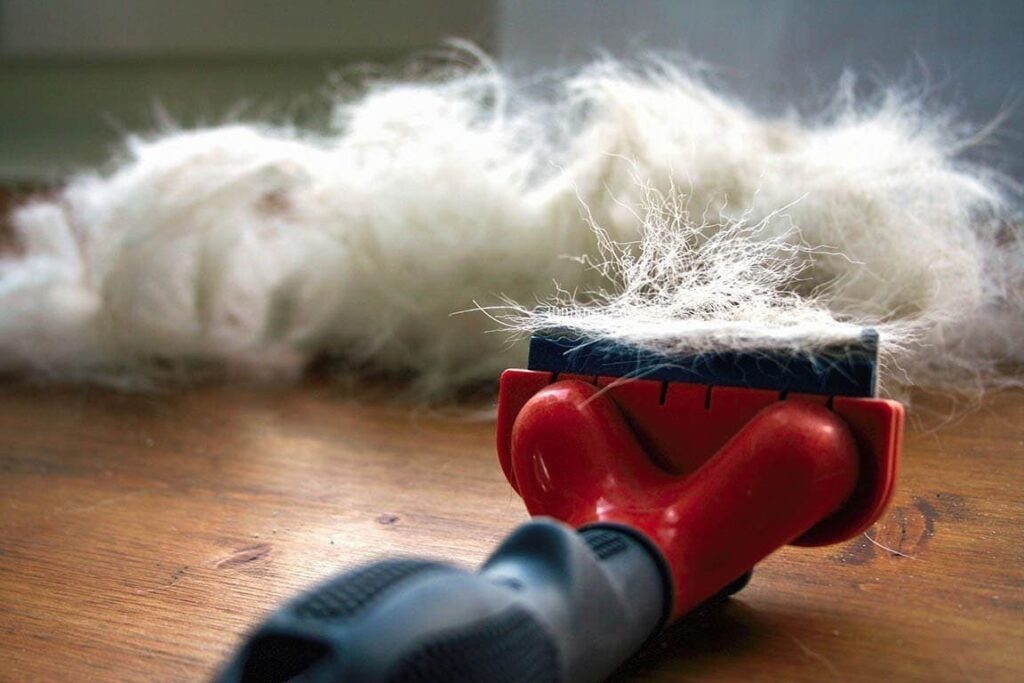
Dog hair doesn’t have to take over your home—or your products. By taking preventive steps, you can reduce the amount of hair that clings to clothes, furniture, and even lits portables pour chiens. Here’s how:
A. Toilettage régulier
The first line of defense against dog hair is proper grooming. The more hair you remove during grooming, the less ends up on your clothes and furniture.
- Brush Frequently: Regular brushing helps remove loose and shedding hair before it has a chance to spread. Aim for daily brushing during heavy shedding seasons like spring and fall.
- Choose the Right Tools: Use grooming tools suited to your pet’s coat type. Slicker brushes are great for tangles, while deshedding combs work wonders for breeds with thick undercoats.
- Bathing Matters: Bathing your dog regularly loosens shedding hair and reduces dander. This makes grooming even more effective. Use pet-friendly shampoos designed for shedding control.
B. Managing the Home Environment
Even with grooming, some hair will still make its way into your home. The key is managing it before it builds up.
- Vacuum Often: Focus on high-traffic areas, carpets, and upholstery. Use vacuums equipped with pet hair attachments for better results.
- Wash Pet Bedding: Clean your pet’s bedding regularly, especially those with removable covers like Pecpets’ Lits écologiques pour chiens.
- Cover Furniture: Use washable furniture covers or blankets where your pets like to lounge. These are much easier to clean than upholstery.
- Create Pet-Free Zones: Designate areas where pets aren’t allowed, such as closets, laundry rooms, or storage spaces. This helps protect clean clothes and sensitive items.
- Educate on Washable Pet Beds: If you sell pet products, recommend washable chew-resistant ou memory foam pet beds that make cleanup easy.
By combining grooming routines and home management strategies, you can dramatically reduce dog hair accumulation.
These tips work for both pet owners and businesses looking to improve customer satisfaction.
Pre-Wash Solutions: How to Get Dog Hair Off Clothes Before Washing
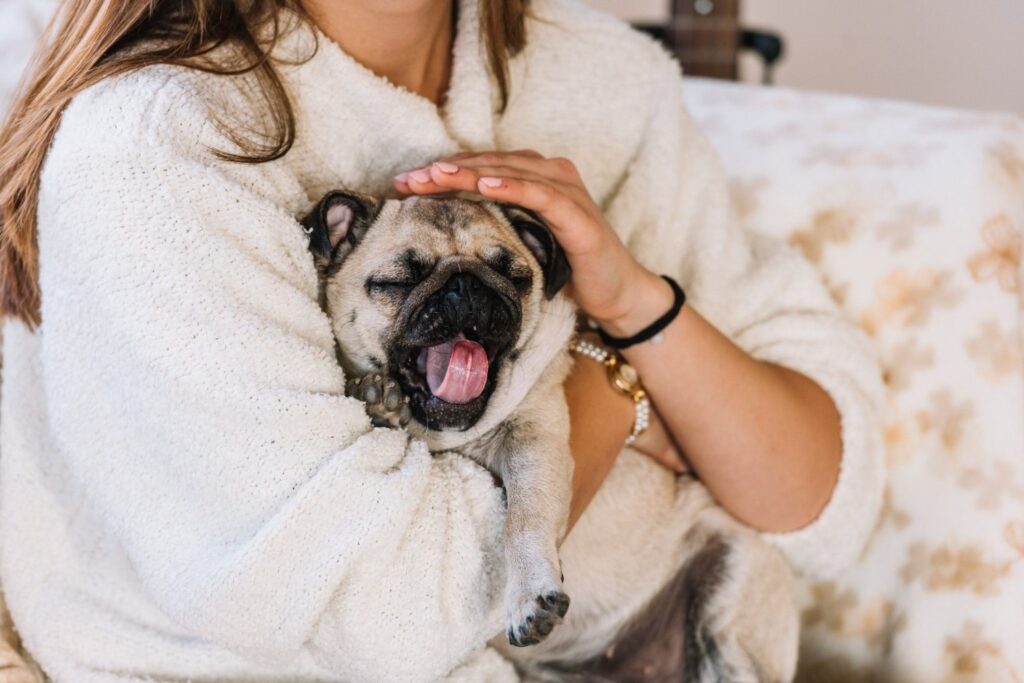
Before tossing your pet-hair-covered clothes into the wash, it’s essential to take a few extra steps.
Pre-wash treatments can make a huge difference in removing hair and preventing it from clogging your washer. Let’s break it down into simple, effective techniques:
A. Manual Removal Techniques
- Shake It Out
Take your clothes outside and give them a good shake. This removes loose hair and keeps it from transferring to other laundry. - Lint Rollers or Sticky Tape
Use lint rollers or reusable sticky rollers to pick up hair. For quick fixes, even regular sticky tape wrapped around your hand can work wonders. - Damp Rubber Gloves or Sponges
Put on damp rubber gloves and gently wipe down your clothes. The hair will cling to the glove. A damp sponge can do the same trick, especially for larger surfaces like furniture covers. - Clothes Steamers for Delicate Fabrics
For delicate fabrics that can’t handle aggressive lint rolling, try a clothes steamer. The steam loosens hair, making it easier to remove with a cloth or roller afterward.
B. Pre-Wash Dryer Cycle (No Heat)
- Tumble to Loosen Hair
Place your clothes in the dryer and run a no-heat tumble cycle for 5–10 minutes. The movement helps loosen trapped hair, which collects in the lint trap. Just be sure to clean the lint trap afterward!
Pre-wash treatments may take a few extra minutes, but they save you time and frustration later.
Plus, keeping pet hair out of your washer extends its lifespan. A small effort now means cleaner clothes and fewer headaches later!
Laundry Guide: How to Get Dog Hair Out of Clothes During Washing
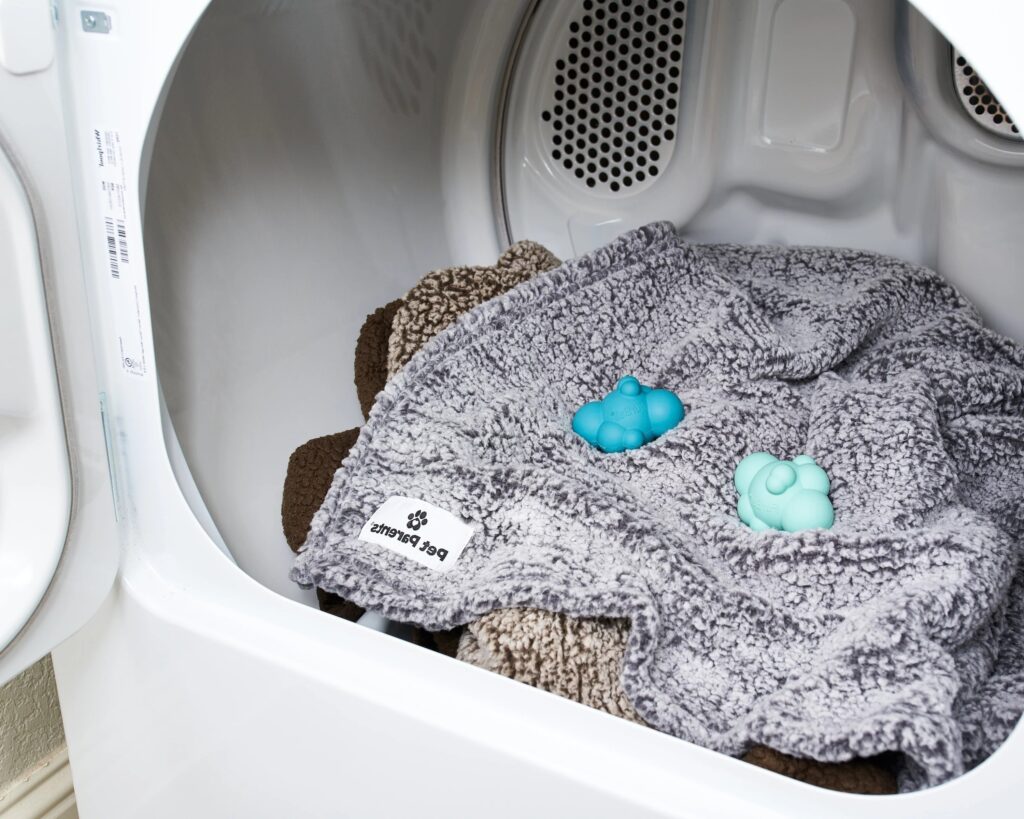
How to Get Dog Hair Out of Clothes?
Washing clothing, pet bedding, or furniture covers covered in dog hair can feel frustrating.
Hair seems to stick everywhere—or worse, ends up on other items. But with the right techniques, you can make the process much easier and more effective.
A. Water Temperature
The temperature of the water you use matters more than you think:
- Cold or Warm Water Works Best: Hot water can cause pet hair to embed deeper into fabric fibers, making it harder to remove. Stick to cold or warm water settings instead.
B. Laundry Additives
Certain additives can make a world of difference when it comes to loosening and removing pet hair:
- White Vinegar: Add ½ cup of white vinegar during the rinse cycle. It helps release trapped hair and reduces static, which makes it easier for hair to wash away.
- Pet-Friendly Detergents: Use detergents or laundry boosters designed to soften fabrics. Softer fabric means less hair clings to it after washing.
C. Washing Machine Settings
Your washing machine settings can also impact how much pet hair gets removed:
- Longer Cycles with High Agitation: Longer wash cycles with more agitation help loosen stubborn hair trapped in fibers.
- Pet Hair Remover Balls: Toss a few pet hair remover balls into the wash. These are designed to attract and collect hair during the wash cycle.
D. Preventing Hair Redistribution
One common frustration is hair spreading to other items during washing. Here’s how to avoid that:
- Wash Hair-Covered Items Separately: Clothing, pet bedding, or blankets with heavy hair buildup should be washed on their own. This prevents pet hair from transferring to cleaner items.
- Use Laundry Bags: For smaller items, place them in mesh laundry bags. These bags trap pet hair and keep it contained, making it easier to clean.
E. Pet-Friendly Bedding Materials
If you’re selling or buying pet bedding, material choice makes cleaning easier:
- Microfiber or Tightly Woven Fabrics: These materials don’t trap as much hair as loosely woven ones. They’re also easier to wipe down or wash, making them ideal for reducing hair buildup.
By following these techniques, you’ll not only make cleaning easier but also extend the lifespan of your pet-friendly products.
Whether you’re a pet owner or a pet product seller, these tips are practical for everyone.
Drying Hacks: Best Ways to Get Dog Hair Out of Clothes After Washing
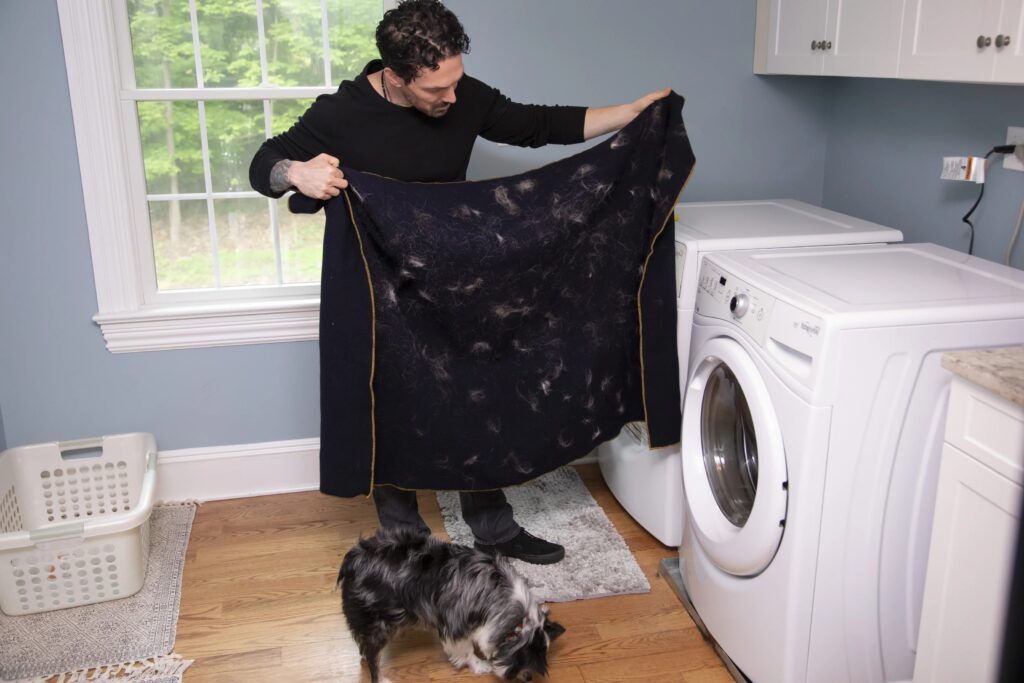
Drying your clothes is the final step in the battle against pet hair. With the right techniques, you can capture most of the remaining hair and keep it off your clothes. Here’s how:
A. Lint Trap Maintenance
- Clean It After Every Cycle: The lint trap is your dryer’s first line of defense against pet hair. Always empty it after each load to keep your dryer running efficiently and to prevent hair from circulating back onto your clothes.
B. Dryer Aids
- Wool Dryer Balls or Tennis Balls: Toss a few wool dryer balls or clean tennis balls into the dryer. They help loosen hair by bouncing around and separating fabrics, allowing the hair to collect in the lint trap.
- Dryer Sheets: Add dryer sheets to the load if the fabric allows. They reduce static electricity, which can stop hair from clinging to clothes.
C. Drying Settings
- Use Low Heat: High heat can cause pet hair to embed further into fabrics. Stick to low or medium heat settings to avoid this, especially for delicate materials.
D. Air Drying
- Minimize Static Cling: Whenever possible, air-dry your clothes. Without the friction of the dryer, static cling is reduced, and less hair sticks to the fabric. This is especially useful for items like pet bedding or throw blankets.
By using these drying techniques, you’ll capture any lingering pet hair and keep your clothes looking fresh. A little extra care here goes a long way in making laundry day less of a hassle!
Post-Laundry Tips: How to Keep Clothes Hair-Free After Removing Dog Hair
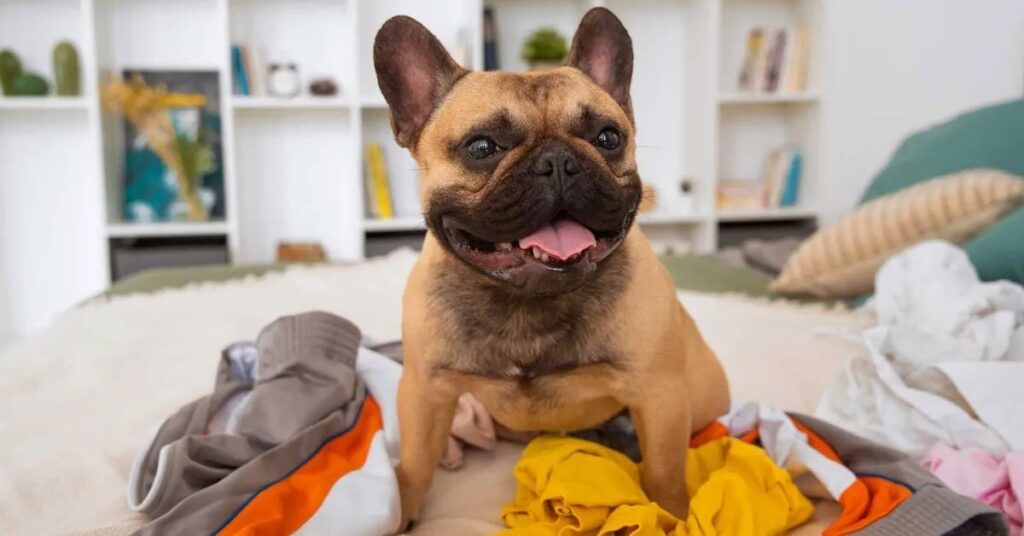
Even after washing and drying, it’s normal to find a bit of pet hair lingering on clothes or fabrics.
This final step ensures your items are completely hair-free. Here’s how to manage leftover pet hair effectively:
A. Lint Rolling
- The Go-To Solution: A lint roller is your best friend for quick touch-ups. Run it over your clothes, bedding, or any fabric surface. It’s perfect for catching those stubborn stray hairs that refuse to leave.
- Reusable Options: Consider reusable lint rollers with sticky surfaces. They’re an eco-friendly and cost-effective alternative to traditional rollers.
B. Rubber Gloves
- Quick and Effective: Dampen a pair of rubber gloves and run them over the fabric. The moisture creates friction, causing hair to stick to the gloves easily. This works well for clothes, furniture, or even car seats.
C. Pet Hair Removal Brushes
- Specialized Tools: Invest in brushes designed specifically for removing hair from fabrics. These tools are great for cleaning large areas like couches, pet beds, or rugs. Some even have self-cleaning features for added convenience.
By incorporating these post-laundry techniques, you’ll ensure every last strand of pet hair is gone.
These extra steps make a big difference, whether you’re preparing items for personal use or selling pet products to customers.
Appliance Care: How to Clean Washers and Dryers After Getting Dog Hair Out of Clothes
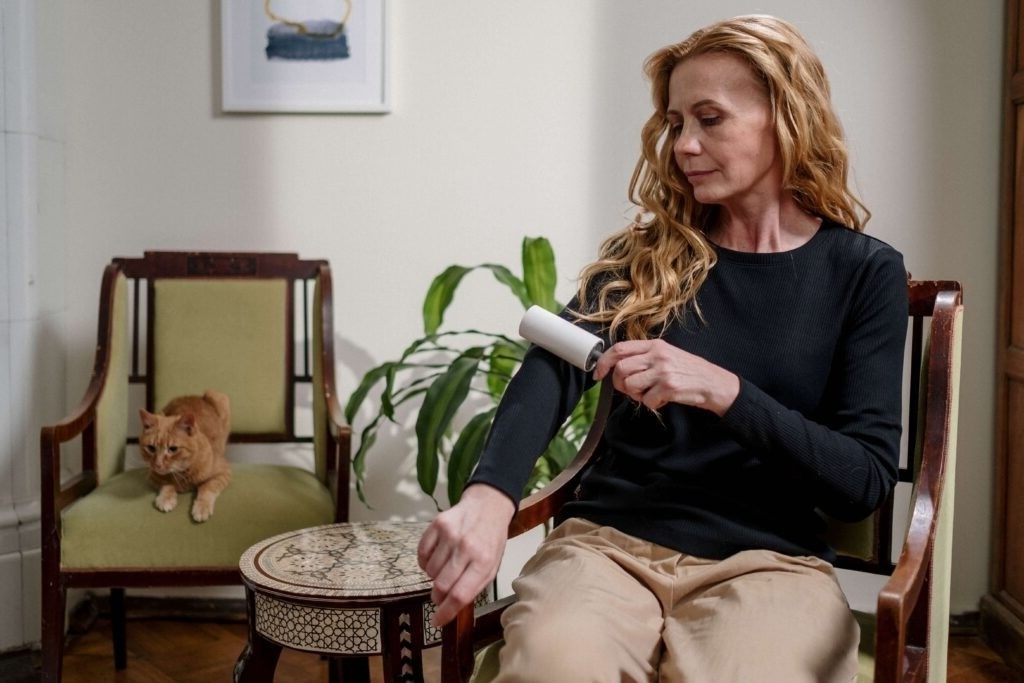
Pet hair doesn’t just cling to clothes—it can also build up in your washer and dryer, reducing their efficiency and lifespan.
Regular maintenance is key to keeping your appliances running smoothly. Here’s how to stay on top of it:
A. Washing Machine Cleaning
- Run an Empty Cycle
After several loads of pet hair-covered laundry, run an empty cycle with hot water and ½ cup of white vinegar. This helps flush out any trapped hair or residue from the drum and pipes. - Wipe the Drum
After every wash, use a damp cloth to wipe down the inside of the drum. This removes any loose hair that didn’t rinse away during the cycle. - Clean the Filter
Check and clean your washing machine’s filter regularly. Pet hair can clog it over time, reducing the machine’s effectiveness and potentially causing drainage issues.
B. Dryer Cleaning
- Clean the Lint Trap After Each Load
Pet hair collects in the lint trap during drying. Always empty it after every load to prevent buildup and reduce the risk of overheating. - Use Pet Hair Removal Tools
Recommend pet hair remover products or additional lint traps to customers, especially for bulk buyers of pet products. These tools can improve post-laundry results and ensure less hair is left behind on fabrics.
Pro Tip for Wholesalers
If you’re selling pet bedding or other fabric-based products, educating customers about appliance maintenance adds value.
Suggest materials that are easier to clean, like microfiber or tightly woven fabrics, and highlight the importance of proper care for long-term use.
By maintaining your appliances, you’ll not only extend their lifespan but also make every load of laundry more effective at removing pet hair. A clean machine leads to cleaner clothes—and happier customers!
Fabric Choices That Make It Easier to Get Dog Hair Out of Clothes
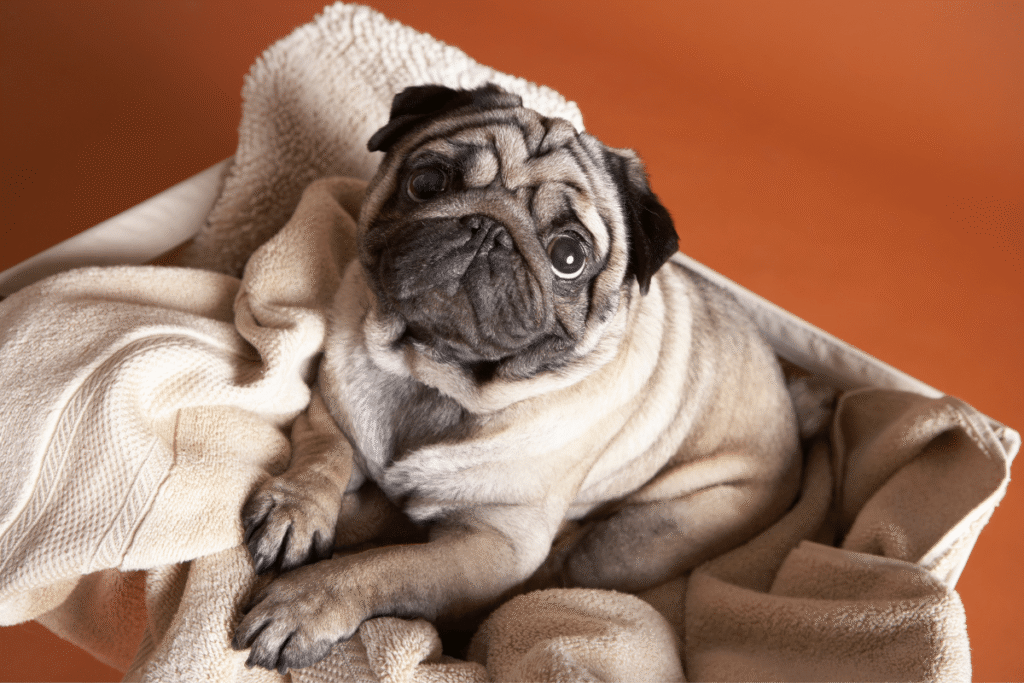
The type of fabric you choose can make a huge difference in managing pet hair. Some materials naturally resist hair, while others seem to attract it like a magnet.
Whether you’re buying clothes, furniture, or pet products, understanding fabric choices is key.
| Type de matériau | Caractéristiques | Performance with Dog Hair | Recommended Applications |
| Microfibre | Smooth, tightly woven, and durable | Resists hair buildup and is easy to clean | Pet beds, sofa covers, clothing |
| Lin | Natural material, anti-static, and highly breathable | Does not easily attract dog hair | Premium pet beds, home décor |
| Polyester | Durable and cost-effective, but prone to static | Soft and comfortable, but has wide fiber gaps | Budget pet beds, general furniture covers |
| Velours côtelé | Soft and comfortable but has wide fiber gaps | Traps pet hair easily and is difficult to clean | Not recommended for pet-related products |
A. Best Fabrics
- Tightly Woven Materials
Fabrics with smooth, tightly woven surfaces repel pet hair more effectively. Microfiber, linen, and silk are great options. These materials make it harder for hair to latch on, and any stray hairs are easier to brush off. - Pourquoi ça marche
The smoother the surface, the less friction there is for hair to cling to. That’s why tightly woven fabrics are ideal for pet-friendly homes and products.
B. Tissus à éviter
- Fuzzy or Textured Fabrics
Materials like flannel, velvet, and fleece may feel cozy, but they’re magnets for pet hair. Their soft, textured surfaces trap hair deep within the fibers, making it nearly impossible to remove. - Synthetic Fabrics
Nylon, polyester, and similar synthetic fabrics are notorious for attracting pet hair thanks to static electricity. These materials build up static, which pulls hair in and makes it cling stubbornly.
C. Low-Maintenance Options for Pet Beds
For pet beds, tightly woven and easy-to-clean fabrics are the way to go. Microfiber or durable canvas is are excellent choice. These materials not only resist hair but are also easier to wash, making them perfect for pet owners who want low-maintenance solutions.
Pro Tip for Buyers and Sellers
If you’re a bulk buyer or seller of pet products, highlighting hair-resistant fabrics can be a strong selling point. Customers will appreciate products that make cleanup easier and keep their homes looking tidy.
Choosing the right material for your furniture or lits pour animaux can make a world of difference in controlling dog hair.
Microfiber, tightly woven canvas, and linen are excellent for lits imperméables pour chiens because they resist static and repel hair naturally. If you’re sourcing products for wholesale, offering low-maintenance fabrics can be a strong selling point.
Pourquoi s'associer à Pecpets pour des produits OEM/ODM personnalisés pour animaux de compagnie ?
Trusted by over 500 global clients across 20+ countries, Pecpets exports more than 2 million pet products annually.
Notre easy-clean pet bed became a bestseller in the European and American markets in 2024, achieving a 95% customer satisfaction rate.
Délai d'exécution rapide
With a 15-day production cycle, we help our partners capture market opportunities faster.
Notre efficient logistics network ensures on-time delivery and a stable supply chain for every client.
Qualité certifiée
We use OEKO-TEX certified materials to guarantee safety, sustainability, and durability.
All our products meet major international standards, including REACH et CPSIA certifications.
For bulk buyers, partnering with a trusted fabricant de lits pour animaux de compagnie comme Pecpets ensures your products are made from premium, hair-resistant materials—available in orthopédique, chew-resistant, écologiqueet portable designs.
Conclusion: A Complete Strategy on How to Get Dog Hair Out of Clothes and Keep It Off
Looking for premium, easy-to-clean pet bed products? Get in touch with us today!
- Request a Sample: Scan the QR code or click [here] to fill out the form and apply for a échantillon gratuit.
- Customization Service: Create exclusive products tailored to your brand through our one-on-one OEM/ODM service.
- Partnership Inquiry: Envoyez-nous un courriel à Lawrence@pecpets.com to learn more about collaboration opportunities.
Together, let’s make life cleaner, easier, and more enjoyable for pet owners everywhere!

 English
  Turkish
  German
  Dutch
Dutch  French
  Greek
Greek  Danish
  Finnish
  Swedish
  Italian
  Polish
  Portuguese
  Russian
  Spanish