

In a world of fickle weather and vibrant social events, dressing your dog in appropriate attire is more than just a fashion statement—it’s a commitment to their health and comfort. This guide will walk you through the process of making your dog comfortable with clothing, from understanding the necessity of dressing to choosing the perfect attire, and employing positive reinforcement techniques to make the experience enjoyable for both you and your furry friend.
How Do I Make My Dog Like Wearing Clothes: A Guide to Comfort and Style
Understanding why your dog needs to wear clothes is the first step to making them enjoy the experience.
The Benefits of Clothing for Dogs
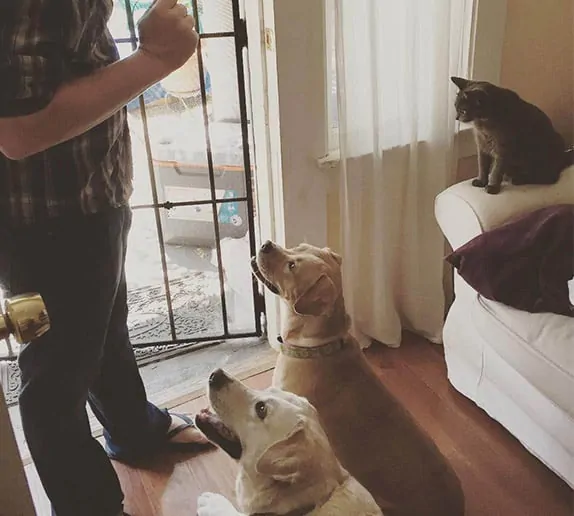
Clothing for dogs offers more than just a fashionable statement. They provide protection, enhance comfort, and contribute to health benefits. Here are some key points explaining why choosing the right attire for your pet is a wise decision:
- Protection: Proper attire can shield your dog from harsh weather conditions such as cold, heat, rain, and snow.
- Comfort: Soft, well-fitted clothing can offer additional comfort, especially when your dog needs extra warmth or has skin issues.
- Health Benefits: For dogs with specific health concerns or recovering from surgery, suitable clothing can help protect wounds and reduce the risk of infection.
Determining the Need for Dog Clothing
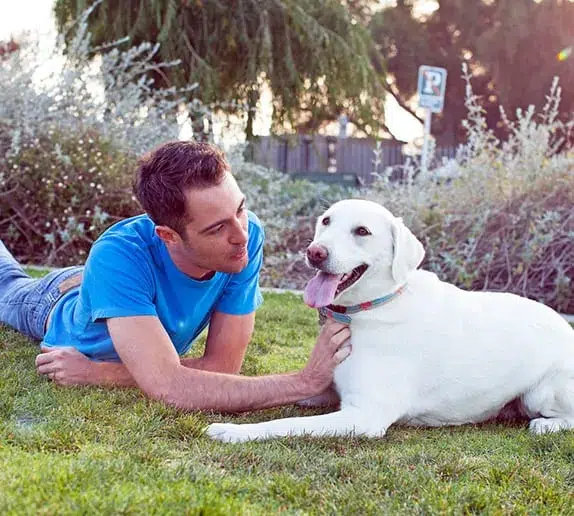
Environmental Factors
Environmental factors are crucial in deciding whether your dog needs to wear clothes. Consider the following situations to determine when to dress your dog:
- In cold weather, dogs with short or no fur may require extra warmth.
- In hot weather, some dogs may need sun protection or breathable clothing to prevent overheating.
- In humid conditions, waterproof coats can help keep your dog dry and comfortable.
Health and Post-Surgical Considerations
Health and post-surgical considerations are another important factor in choosing clothing for your dog. Dressing your dog in appropriate attire is especially vital for dogs with the following conditions:
- Skin issues, such as allergies or inflammation, may need gentle covering to reduce irritation.
- During post-surgical recovery, clothing can protect the surgical site and prevent the dog from licking or scratching the wound.
Addressing Aversions to Clothing

Understanding Resistance
Summary: Dogs, like people, can have their own personal preferences and aversions. Identifying the common reasons for dogs to resist wearing clothes is crucial for mitigating these behaviors. Here’s a deeper look into the possible causes and solutions:
- Discomfort: Ill-fitting clothes can chafe or restrict movement, causing discomfort. Ensuring the clothing fits well is key to a dog’s acceptance.
- Sensory Sensitivity: Some dogs may be sensitive to new textures or the feeling of being covered. Gradual desensitization to the sensation can help.
- Anxiety: For some dogs, clothing can induce anxiety, especially if associated with a negative experience. Positive associations need to be built to counteract this.
Mitigation Strategies:
- Introduce clothing slowly and in a low-stress environment.
- Use high-quality, soft materials that are gentle on the dog’s skin.
- Ensure the clothing is not too tight or restrictive.
Positive Reinforcement Methods
Summary: Positive reinforcement is a powerful tool for encouraging dogs to accept new experiences, including wearing clothes. Here are some techniques to foster a positive attitude towards clothing:
- Rewards: Offer treats or favorite toys immediately after the dog allows you to put on clothing.
- Praise: Verbal praise can be just as effective. Use a cheerful tone and positive language to reinforce the behavior.
- Consistency: Consistently applying these methods will help your dog associate clothing with positive outcomes.
Techniques to Encourage Acceptance:
- Start with short sessions and gradually increase the duration as the dog becomes more comfortable.
- Use clicker training to mark the exact moment the dog accepts the clothing.
- Vary the rewards to keep the training interesting and engaging.
Choosing Appropriate Attire
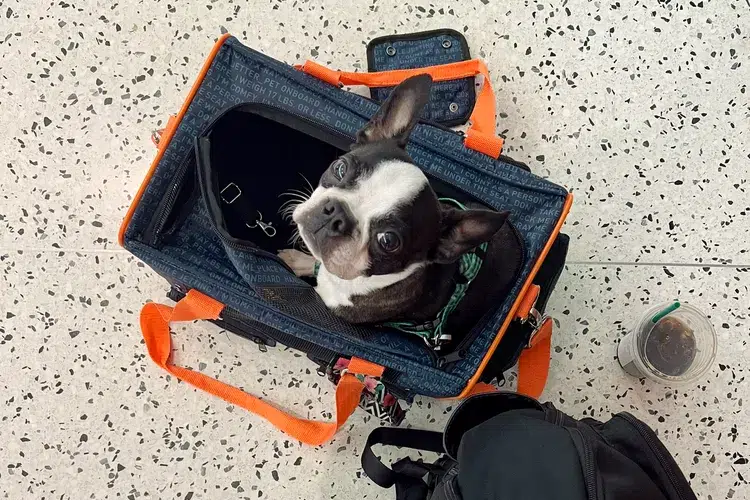
Getting the Fit Right
Summary: A well-fitted garment is essential for a dog’s comfort and to ensure they can move freely. Here’s how to get the sizing right:
- Measure Accurately: Use a soft measuring tape to get the dog’s neck, chest, and back length measurements.
- Try Before Buy: If possible, try the clothing on your dog before purchasing to ensure it fits well.
- Consider the Breed: Different breeds have different body shapes, so consider this when choosing sizes.
Tips for a Good Fit:
- Look for adjustable features like Velcro or straps that can customize the fit.
- Avoid clothing that is too tight around the neck or abdomen.
Selecting the Right Materials
Summary: The choice of fabric can greatly affect a dog’s comfort and health. Discussing the benefits of different fabrics is important for making an informed decision:
- Natural Fibers: Materials like cotton are breathable and hypoallergenic, ideal for dogs with sensitive skin.
- Synthetics with a Purpose: Some synthetic materials are designed to be waterproof or quick-drying, suitable for outdoor activities.
- Avoid Irritants: Stay away from materials that could cause skin irritation or are difficult to clean.
Guidance for Fabric Selection:
- Consider the environment and activity level of your dog when choosing materials.
- Prioritize comfort and breathability for everyday wear.
- Opt for durable materials that can withstand regular wear and tear.
Smooth Transition to Clothing
Gradual Introduction
Summary: A step-by-step approach is essential for helping dogs become accustomed to wearing clothes. Here’s how to make the transition smooth and stress-free:
- Familiarization: Allow your dog to sniff and investigate the clothing before attempting to put it on. This helps them become comfortable with the new item.
- Short Sessions: Start with very brief sessions of wearing the clothes, gradually increasing the duration as your dog becomes more at ease.
- Positive Associations: Pair the clothing experience with positive reinforcement such as treats, praise, or playtime to create a favorable association.
- Monitor Reactions: Keep a close eye on your dog’s body language and behavior to ensure they are not showing signs of distress or discomfort.
Encouraging Engagement Through Play
Summary: Making the process of dressing up fun and interactive can significantly increase a dog’s willingness to wear clothes. Here are some playful ideas to engage your dog:
- Treat-Filled Toys: Place a favorite treat or toy inside the clothing to encourage exploration and interaction.
- Dress-Up Games: Turn dressing up into a game, perhaps by dressing up alongside your dog with a fun costume.
- Interactive Clothing: Choose clothes with features that encourage interaction, such as built-in squeakers or pockets for treats.
Seasonal and Activity-Specific Clothing
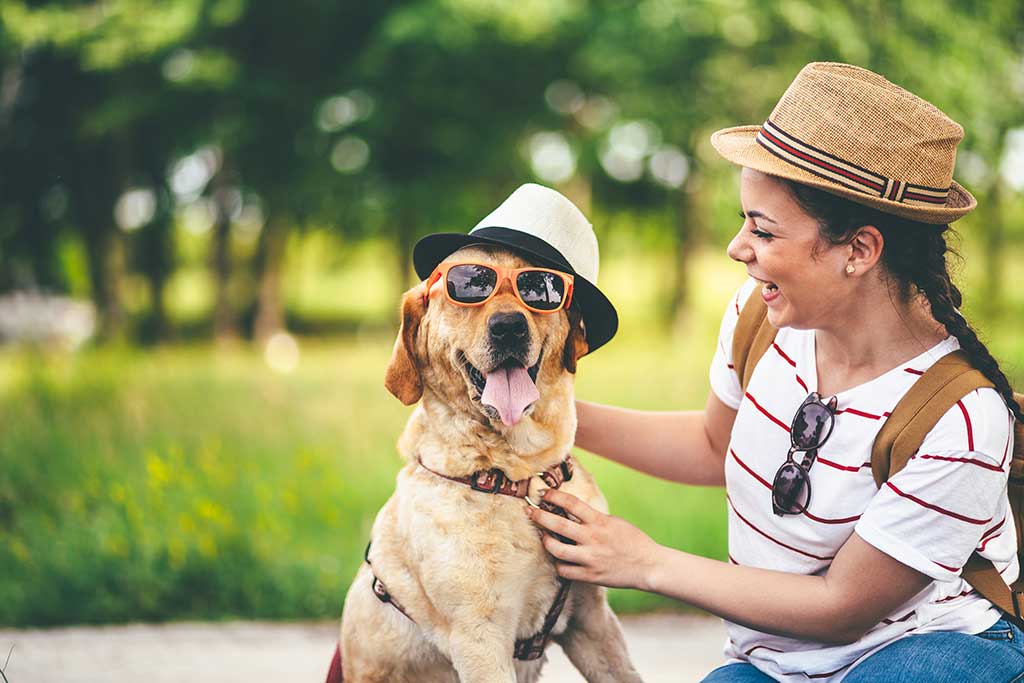
Winter Wear for Cold Protection
Summary: Selecting the right warm clothing for dogs during cold weather is crucial for their comfort and health. Here’s how to choose the best winter wear:
- Insulation: Look for materials with good insulating properties to keep your dog warm.
- Coverage: Ensure the clothing covers the dog’s chest, back, and belly, which are areas prone to losing heat.
- Mobility: Choose designs that allow for full range of motion, so your dog can move freely without hindrance.
Breathable Options for Warmer Seasons
Summary: In hot weather, it’s important to select clothing that prevents overheating while still providing protection. Here are some points to consider:
- Breathability: Opt for fabrics that allow for air circulation to keep your dog cool.
- Sun Protection: Choose clothing that offers UV protection to shield your dog’s skin from harmful rays.
- Lightweight: Go for lightweight materials that won’t add extra bulk or heat.
Enhancing Canine Style and Function
Practical Clothing for Everyday Use
Summary: The right practical clothing can make daily walks more enjoyable and safe for dogs while protecting them from the elements. Here are some recommendations for everyday use:
- Reflective Vests: Ensure visibility with reflective vests, especially for early morning or evening walks.
- Waterproof Coats: Opt for waterproof materials to keep your dog dry during rainy days without restricting movement.
- Breathable Jackets: Choose jackets with mesh lining for warmer climates to allow for air circulation and prevent overheating.
How Do I Make My Dog Like Wearing Clothes?
Fashion Statements for Special Occasions
Summary: Dogs can also be part of the fashion world, making a statement or celebrating festive occasions with their attire. Explore these stylish options:
- Themed Outfits: Dress your dog in costumes that match the theme of a party or holiday, such as a Santa suit for Christmas.
- Designer Labels: Invest in designer dog clothing for a touch of luxury and high-quality materials.
- Custom-Made Attire: For a unique look, consider custom-made clothing that reflects your dog’s personality and style.
Solving Common Dog Clothing Issues
Alleviating Discomfort
Summary: Discomfort is a common issue when dogs wear clothes. Here are some solutions to alleviate these discomforts:
- Adjustable Fastenings: Use clothing with adjustable fastenings to ensure a snug but comfortable fit.
- Soft Linings: Choose garments with soft, non-irritating linings to prevent chafing.
- Proper Material: Opt for hypoallergenic materials to minimize the risk of skin irritation.
Behavioral Modification Through Training
Summary: Some dogs may be resistant to wearing clothes. Here are some training tips to help with behavioral modification:
- Desensitization: Gradually expose your dog to the clothing, starting with just the sight and smell, then touch, and finally wearing.
- Reward-Based Training: Use a consistent reward system to reinforce positive behaviors associated with wearing clothes.
- Consistent Routine: Establish a routine for dressing your dog, which can help them understand and accept the process.
Conclusion: Striking a Balance Between Fashion and Practicality

Summary: The conclusion should provide insights on balancing the aesthetic appeal of dog clothing with the need for comfort and practical use:
- Prioritize Comfort: Always ensure the clothing is comfortable and does not hinder your dog’s natural movements.
- Consider the Occasion: Choose attire that is appropriate for the occasion, whether it’s a walk in the park or a festive event.
- Fashion with Function: Opt for clothing that serves both a fashion and functional purpose, such as a stylish coat that also provides warmth.

 English
  Turkish
  German
  Dutch
Dutch  French
  Greek
Greek  Danish
  Finnish
  Swedish
  Italian
  Polish
  Portuguese
  Russian
  Spanish