

Leash training is the foundation for a safe and joyful life with your dog. It’s not just about stopping your dog from pulling. It’s about building communication and trust that turns your daily walk into an adventure, not a struggle.
This guide uses positive and simple techniques to help you master a relaxed, loose-leash walk. We will help you solve common challenges like pulling, lunging, and fear with patience and proven methods.
After all, a well-behaved dog on a leash is a happy dog with a happy owner. Choosing the right equipment from the start is the first step, and we will show you exactly how to select the best tools for your unique dog.
Preparation: Setting the Stage for Success
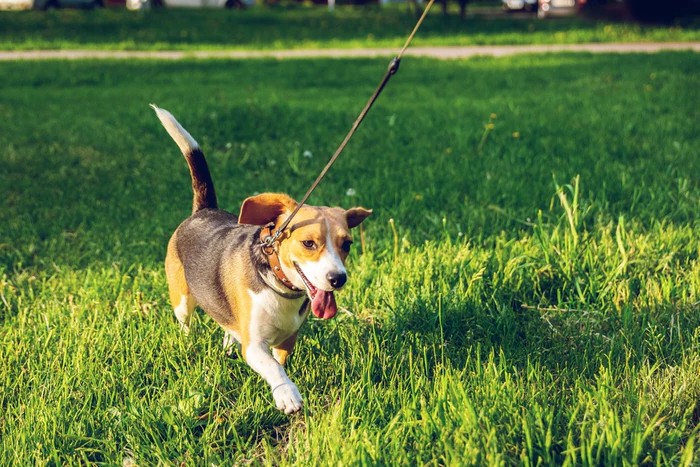
How to Teach a Dog to Walk on a Leash?
Before you take your first step outside, you need to prepare. Great leash walking begins inside your home with the right tools and the right mindset. This preparation prevents frustration for both you and your dog.
A. Choosing the Right Equipment: Your First and Most Important Decision
Your tools matter. The right gear makes training easier and safer. The wrong gear can cause discomfort and even work against you.
You need two key items: something for your dog to wear and a leash. For the first item, a harness is almost always a better choice than a collar for walking. A harness distributes pressure across your dog’s chest and shoulders, which protects their sensitive neck.
Front-clip harnesses are a fantastic tool because they gently discourage pulling by redirecting your dog back towards you. While personalized customized dog collars are great for holding ID tags, they are not ideal for control during a walk.
For the leash, a standard 6-foot leash is perfect for training. It gives your dog enough room to explore a little but keeps them close enough for you to guide them.
Look for leashes made from durable nylon or comfortable leather. Avoid retractable leashes for training. They teach dogs that pulling extends the leash, and they offer very little control in surprising situations.
Finally, fit is everything. A harness should be snug but not tight. You should be able to fit two fingers between the harness and your dog’s body. A loose harness can lead to your dog slipping out, while a tight one can rub and cause pain.
B. Creating a Positive Association
Your dog needs to love its gear. The sight of the harness and leash should make them excited, not scared. Don’t just strap on the new equipment and head out the door.
Turn it into a game.
First, just show your dog the harness and give them a treat. Do this a few times. Next, gently touch your dog with the harness and give them another treat. Then, slip it over their head for just a second, treat them, and take it off. Keep sessions short and happy. Soon, your dog will see the harness and think, “Great! We’re going to have fun!”
C. Pre-Training Exercises
The best leash training starts without the leash. You can practice key skills inside your home where there are few distractions.
Play attention games. Say your dog’s name in a happy tone. When they look at you, say “Yes!” and give them a small, high-value treat. This teaches your dog that checking in with you is a great idea.
You can also play a “Follow Me” game. Simply walk around your living room and reward your dog with praise or a treat whenever they choose to follow you. This builds the habit of staying close.
D. Environmental Management
Control the environment. This means you set your dog up to win.
Don’t make your first training session a walk down a busy street filled with people, cars, and other dogs. That’s too much to handle at once. Start somewhere boring.
Your hallway is a great place to begin. Your quiet backyard is another good option. When you do go outside, pick a time when you know the streets will be empty. By minimizing distractions, you allow your dog to focus on the most important thing: you.
Leash Walking Techniques: Building Good Habits
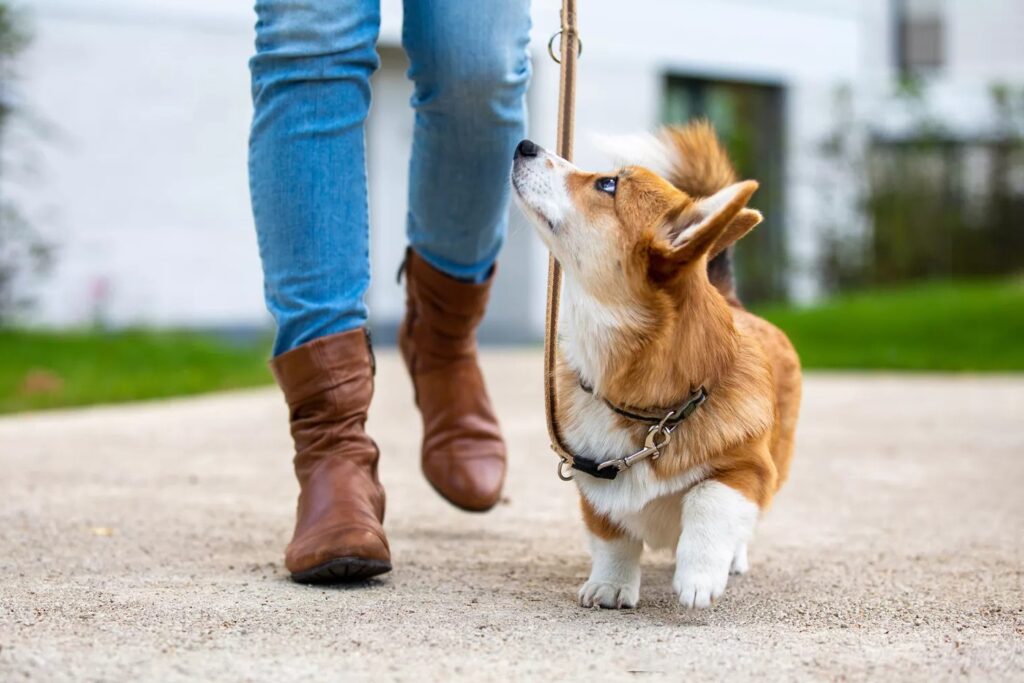
Now it’s time to put your preparation into practice. These techniques are games that teach your dog how to walk nicely on a leash. Keep your training sessions short, fun, and positive. Five to ten minutes is a great start.
A. “Lure and Reward”
This is the first and most basic game. It teaches your dog that the best place to be is right by your side.
Start with a high-value treat in your hand. Hold it near your dog’s nose to get their attention. Take a few steps forward. Your dog will follow the treat.
After a few seconds of them walking nicely next to you, say “Yes!” and give them the treat. Repeat this process. You are showing them exactly what you want them to do.
B. “Stop and Go”
This technique directly addresses pulling. The rule is simple: a tight leash means the walk stops.
The moment you feel the leash tighten, stop walking. Become a tree. Do not move. Do not pull back. Just wait. Your dog will eventually get confused and look back or take a step toward you.
The instant the leash goes slack, say “Yes!” and immediately start walking again. Your dog learns quickly: “Pulling gets me nowhere. A loose leash lets us move forward.”
C. “Change of Direction”
This game teaches your dog to pay attention to you. If you are unpredictable, they have to watch you to see where you are going.
When your dog starts to get ahead of you, cheerfully call out “This way!” and turn 180 degrees. Start walking in the opposite direction.
When your dog catches up and is walking beside you, give them lots of praise. You are not yanking them. You are simply changing the game.
D. “Crazy Walking”
This is another fun game to keep your dog focused on you. Walk in a random pattern in your yard or a quiet area. Suddenly speed up for a few steps. Then, slow way down.
Make a sudden turn. Zig-zag a little. Praise and reward your dog every time they stick with you. This makes you the most exciting thing on the walk.
E. “Let’s Go”
You need a cue to tell your dog it’s time to move. “Let’s go!” is a great choice. Use it in a happy, upbeat voice when you want to start walking or move past something interesting, like a fascinating smell on a bush. Say “Let’s go!” and start moving. Reward your dog for coming with you.
F. “Sniff Breaks”
A walk is for your dog’s brain, not just their body. Sniffing is how they read their world. You need to allow time for it, but on your terms.
You decide when it’s time for a break. Find a grassy spot and give a release cue like “Go sniff!” Let your dog explore the area for a minute or two on a loose leash.
When the break is over, use your “Let’s go!” cue to get them moving again. This teaches your dog that there is a time for walking and a time for sniffing.
G. Maintaining Focus
You want your dog to remember you are there, even when the world is exciting. During your walk, randomly say your dog’s name in a happy voice.
When they look back at you, say “Yes!” and give them a treat. This simple act reinforces that checking in with you is always a good idea.
H. Heel Training (Optional)
A loose-leash walk is the goal for most owners. A formal “heel” is a more advanced skill. Heeling means your dog walks in a very specific position, with their shoulder right next to your leg.
It is not necessary for a pleasant walk, but it is very useful in crowded places or for dog sports. It requires more dedicated training sessions to perfect.
Troubleshooting Common Leash Walking Problems
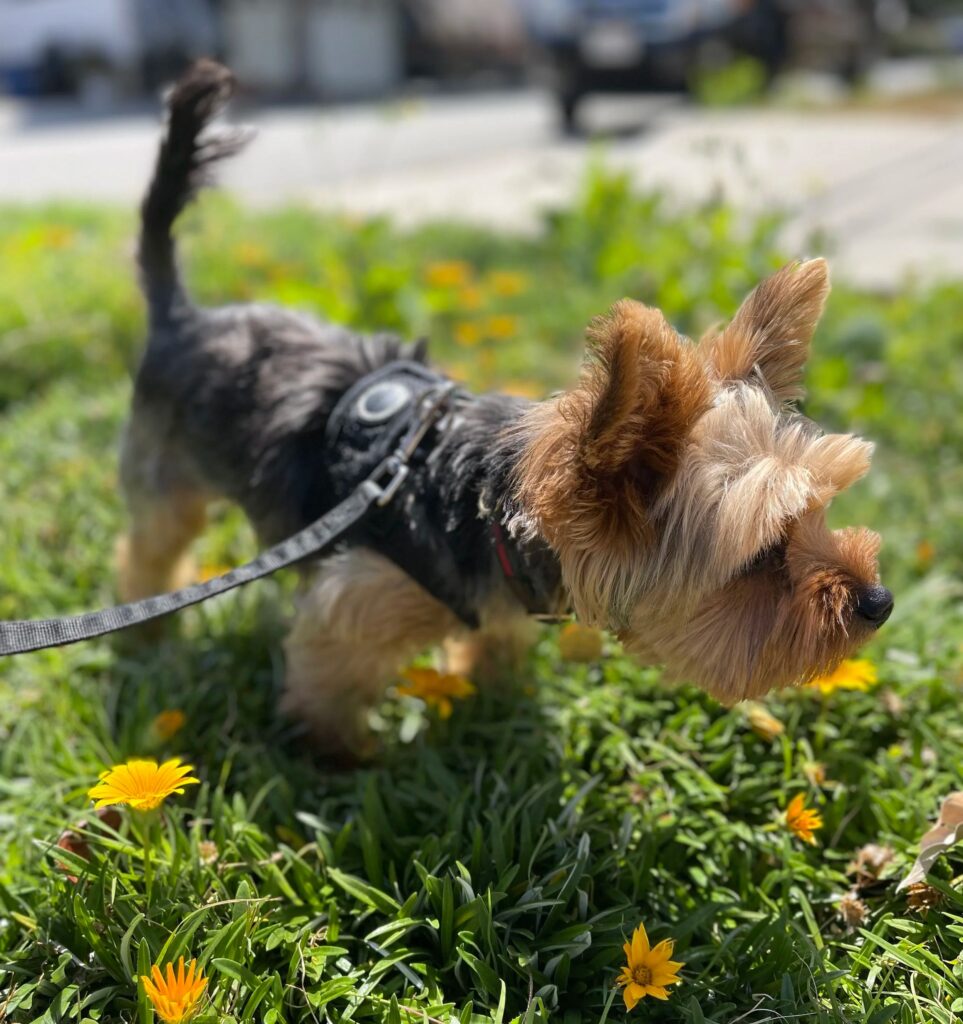
Every dog owner faces challenges. It’s a normal part of the process. The key is to stay patient and have the right strategies—and the right equipment—to solve the problem.
A. Pulling
This is the number one complaint from dog owners. Your dog isn’t pulling to be dominant; they are just excited and want to get somewhere faster than you.
Go back to the “Stop and Go” and “Change of Direction” techniques. These methods teach your dog that pulling is counterproductive. More importantly, this is where a front-clip harness becomes your most valuable tool.
When a dog pulls on a front-clip harness, their momentum is redirected, and they are gently turned back toward you. It stops the pulling without choking or causing pain, making it an essential piece of equipment for almost any dog in training.
B. Lunging
A lunge is a sudden, quick burst toward another dog, a person, or a squirrel. It can be startling and dangerous.
Your job is to manage the space and teach a new reaction. When you see a trigger, increase the distance. Get your dog’s attention with a high-value treat before they can react. Reward them for looking at you instead of the trigger. This requires a secure grip and equipment you can trust.
A sturdy harness gives you better control over your dog’s body than a collar, and a strong, reliable leash with a high-quality metal clip ensures you stay connected to your dog, even when they lunge unexpectedly.
C. Barking
Barking is your dog’s way of communicating excitement, fear, or a warning. Yelling “No!” often sounds like you are just barking along with them.
The strategy is similar to handling lunging. Create distance from the trigger. Reward your dog for any moment of silence. Teach them that being quiet and calm gets them a reward. Having confidence in your gear allows you to stay calm, which in turn helps your dog feel more secure.
D. Biting the Leash
Puppies and playful dogs often see the leash as a fun tug toy. This can be frustrating and can destroy your equipment.
If your dog starts biting the leash, stop all movement. A boring leash is no fun. You can also redirect their mouth to a toy they are allowed to carry.
This problem highlights the importance of product quality. A dog can easily chew through a cheap, flimsy leash. Investing in a leash made from durable, high-density nylon webbing or other chew-resistant materials ensures it can withstand this behavior while you work on training.
E. Fear or Anxiety
Some dogs are afraid of the outside world. Loud noises, traffic, or strange objects can be terrifying. They might freeze, pancake to the ground, or try to bolt.
Never force a fearful dog. Your goal is to build their confidence. Start with short, positive sessions. Reward them for simply stepping outside. Let them observe scary things from a safe distance where they still feel comfortable.
For a fearful dog, an escape-proof harness is not a luxury; it is a necessity. Look for harnesses with multiple adjustment points to create a snug, secure fit that they cannot back out of. Safety is the top priority.
F. Refusal to Walk
Sometimes a dog will just put the brakes on. First, always check for a physical cause. Is the pavement too hot? Is their harness rubbing or pinching? Are they in pain?
If it’s a behavioral issue, you need to make the walk more fun. Use your “Lure and Reward” game to get them moving. Keep your energy happy and encouraging. Never drag your dog.
This is another area where comfort is key. A well-designed, padded harness that fits correctly will prevent discomfort that might make a dog reluctant to walk.
Maintaining Good Leash Manners
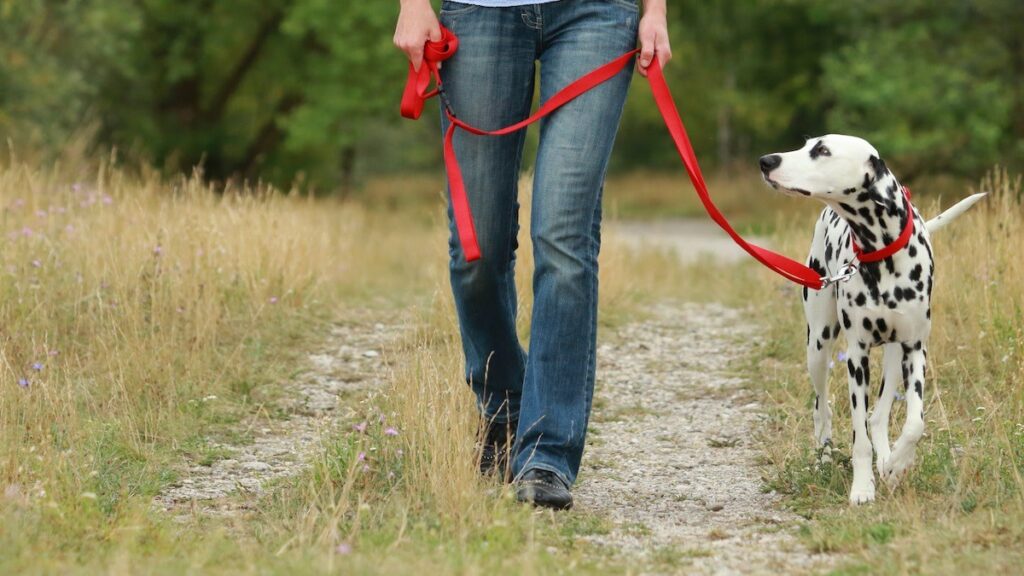
You taught your dog how to walk politely. Now, you need to maintain those skills. Good leash manners are a lifelong practice, not a one-time trick. It’s about turning good training into great habits.
A. Consistency is Key
This is the most important rule. Everyone who walks the dog must use the same rules and cues. If one person lets the dog pull and another doesn’t, the dog will get confused.
Confusion leads to frustration. Make sure your family members and any dog walkers understand the “Stop and Go” game and your other rules. Consistency makes it easy for your dog to succeed.
B. Regular Reinforcement
Don’t stop rewarding good behavior. You don’t have to give a treat every two steps forever, but you should continue to acknowledge a nice, loose-leash walk.
A happy “Good job!” or a quick ear scratch can be just as powerful as a treat. Catch your dog being good. This reminds them that walking politely is still the best way to get their approval.
C. Generalization
Dogs do not generalize well. This means that just because your dog walks perfectly on your quiet street, they might not know how to do it at a busy park.
You need to practice your skills in many different locations. Start with a slightly busier street. Then try a quiet park. Slowly increase the level of distraction. Each new place is a new training opportunity.
D. Addressing Setbacks
Your dog will have bad days. Just like us, they can be tired, stressed, or just not feeling it. If your dog starts pulling again after weeks of good walks, don’t get discouraged.
It’s not a failure. Simply go back to basics for a few minutes. Play the “Stop and Go” game or the “Change of Direction” game. Make it easy for them to win, then end the walk on that positive note.
E. Lifelong Learning
Think of leash skills as a continuous conversation with your dog. As your dog gets older and your bond deepens, your walks will become even more relaxed. Stay patient and positive. This journey is part of what makes your relationship with your dog so special.
F. Equipment Check and Care
Your dog’s safety depends on their gear. High-quality equipment is built to last, but nothing lasts forever. Proper care and regular checks are essential.
- Inspect your gear regularly. Before a walk, take a few seconds to check your leash, collar, and harness. Look for frayed stitching, especially where the leash clips on. Check plastic buckles for any small cracks. Make sure metal parts like D-rings and clips are not rusted or bent. Finding a small problem now prevents a dangerous failure later. This commitment to safety also tells you when it’s time to invest in a replacement.
- Keep your equipment clean. Dirt and oils can break down materials over time. Most nylon leashes and harnesses can be hand-washed with mild soap or even placed in a garment bag in the washing machine. Check the label. Leather products require special care; use a leather conditioner to keep them from getting dry and brittle. Clean gear is more hygienic and has a much longer life.
Advanced & Specialty Scenarios: Taking Your Walks to the Next Level
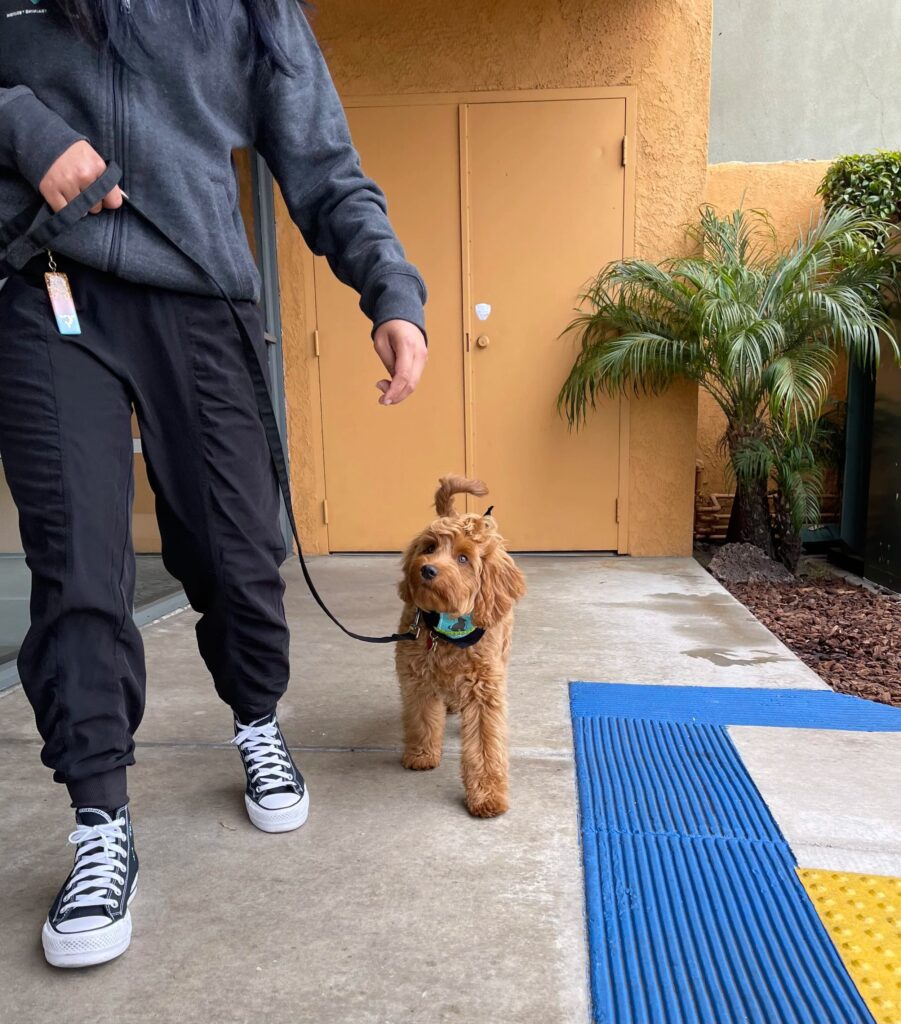
Once you master the basics, you can explore new adventures with your dog. Different situations require different skills and specialized equipment. This gear not only makes these activities possible but also ensures your dog’s safety and comfort.
A. Walking Multiple Dogs
Walking more than one dog can feel chaotic. The key is to first train each dog to walk well on a leash by themselves.
Once they are both reliable walkers, you can start walking them together. Assign each dog a side to walk on and stick to it. This creates order and prevents them from crisscrossing in front of you.
- Product Spotlight: Managing two leashes is hard. A dual leash coupler is a smart solution. It’s a short attachment that connects two dogs to a single leash handle, freeing up one of your hands and preventing tangles. Each dog must wear a well-fitted, non-restrictive harness. A harness protects their bodies if they pull in different directions, unlike a collar, which could strain their necks.
B. Nighttime Walking
Your biggest priority for walking at night or in the early morning is visibility. You need drivers, cyclists, and other pedestrians to see you and your dog from a distance. Walk in well-lit areas whenever possible and always stay alert to your surroundings.
- Product Spotlight: Standard gear is not enough in the dark. Reflective leashes, collars, and harnesses are essential. They are made with special stitching or panels that shine brightly when hit by headlights. For the highest level of safety, use LED light-up accessories. An LED collar or a small, clip-on light makes your dog a moving beacon that can’t be missed.
C. Hiking and Trail Walking
Hiking is a fantastic way to exercise with your dog, but it’s more demanding than a walk around the block.
The terrain is uneven, the walks are longer, and you need to carry supplies like water. Your equipment must be tough enough for the challenge.
- Product Spotlight: For the trail, you need a durable, weather-resistant leash that won’t get ruined by mud or frayed on rocks. A hands-free bungee leash that clips around your waist is perfect for hiking. It frees your hands for better balance, and the bungee section absorbs the shock if your dog suddenly lunges after a squirrel. A harness with a handle on the back is also a game-changer. It allows you to give your dog a helpful lift over logs, streams, or steep, rocky sections.
D. Training with a Long Line
A long line is a training tool, not a regular walking leash. It is typically 20-50 feet long and is perfect for practicing recall (coming when called) in an open, safe area like a field.
It gives your dog a sense of freedom while ensuring you still have control. Always attach a long line to a harness, never a collar, to prevent serious neck injury if your dog runs to the end of the line.
- Product Spotlight: Traditional long lines get tangled, wet, and heavy. The best long lines are made from biothane or waterproof webbing. This modern material is a huge improvement. It doesn’t absorb water or dirt, so it stays light and cleans with a simple wipe. It also resists tangling, making your training sessions far less frustrating.
The Power of Gear: An Expert’s Selection Criteria
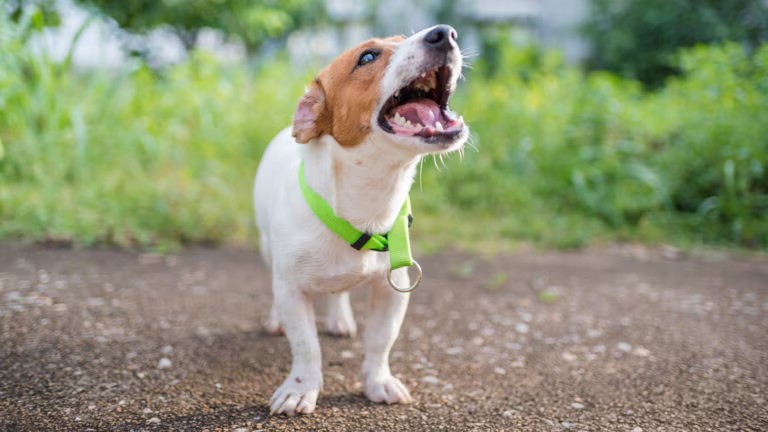
Throughout my training career, I’ve seen countless cases fail—not because of the dog, but because of the wrong gear.
A good tool won’t train your dog for you, but a bad one will absolutely hold you back. As your guide, it’s my responsibility to show you what truly matters when choosing the “lifeline” that connects you and your dog.
A. Safety Is Non-Negotiable
Every piece of gear I recommend must put safety first. That means:
- Durable hardware: The leash clasp should withstand several times your dog’s body weight in sudden force. I prefer mountaineering-grade zinc alloy or stainless steel materials.
- Reinforced stitching: Key stress points—like the D-ring and handle attachment—must have bar-tack stitching or similar reinforcement to prevent breakage in emergencies.
- Non-toxic materials: Dogs may chew their gear, so materials must be safe and non-toxic.
B. Functional Design Solves Real Problems
Good design understands the language of a dog’s behavior.
- For pullers: I always recommend a Y-shaped front-clip harness. It gently redirects pulling without putting pressure on the dog’s neck or throat—a perfect balance of control and comfort.
- For outdoor adventures, I choose shock-absorbing leashes that cushion sudden pulls, protecting both handler and dog joints. A harness with a built-in handle is a game-changer in rough terrain.
C. Comfort Dictates Acceptance
If the gear isn’t comfortable, the dog won’t accept it—and that resistance can affect training and trust.
- Snug but not tight: Proper fit and multiple adjustment points are essential.
- Breathable lining: Especially in summer, inner padding should be made of soft, breathable air mesh or sandwich fabric to prevent overheating and chafing.
To help you make informed decisions, I’ve prepared a clear comparison table based on these core principles.
Conclusion: How to Teach a Dog to Walk on a Leash
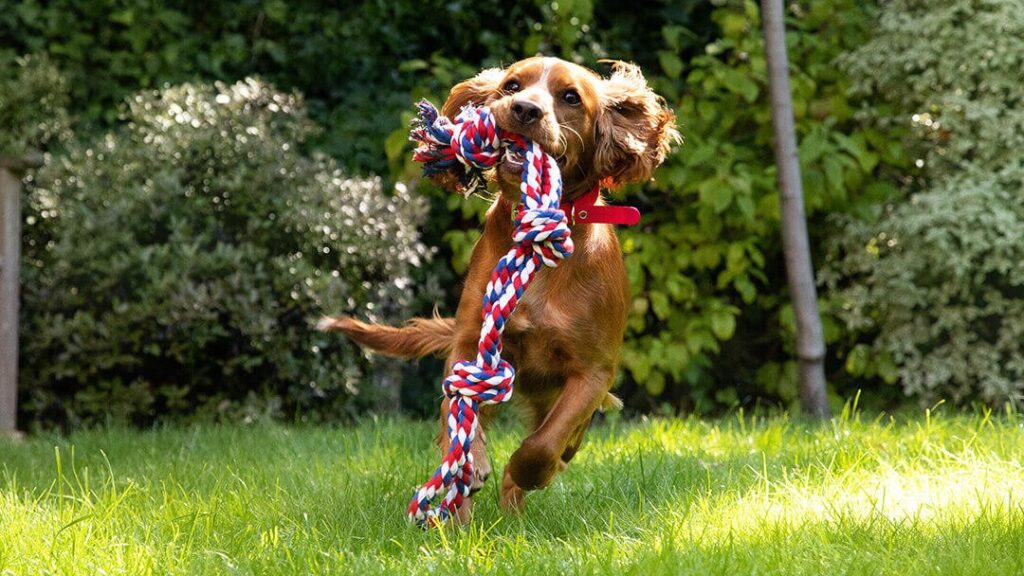
From Theory to Practice: Gear Up Like a Pro
Theory builds the foundation—but the right gear can turn good training into great results.
I know that feeling when you stand in front of shelves filled with all kinds of harnesses and leashes, and your brain just says, “Which one should I pick?”
Don’t worry—I’ve done the homework for you.
Over the past few years, I’ve personally tested dozens of popular no-pull training tools. Some looked amazing but broke after just a few uses. Others had cool designs but weren’t exactly dog-friendly.
To save you from the trial and error, I’ve put together a “Trainer’s Tried-and-True Gear List” based on three key standards: safety, control, and comfort.
Every piece of equipment on this list has been tested in real training sessions and is something I confidently recommend to my own students.
👉 [Click here to check out my zero-fail dog walking gear list — and turn every walk into pure enjoyment.]


 English
  Turkish
  German
  Dutch
Dutch  French
  Greek
Greek  Danish
  Finnish
  Swedish
  Italian
  Polish
  Portuguese
  Russian
  Spanish