

Walking is an essential part of a dog’s daily routine, but teaching a puppy to walk on a leash correctly is a crucial skill. This article provides a comprehensive step-by-step guide to help your puppy learn to stay calm and controlled while walking, ensuring the safety of both you and your pet.
From selecting the right equipment to overcoming common challenges, every step is designed to make walking a pleasurable experience for you and your canine companion.
How to Teach a Puppy to Walk on Leash: A Step-by-Step Guide
Setting the Foundation
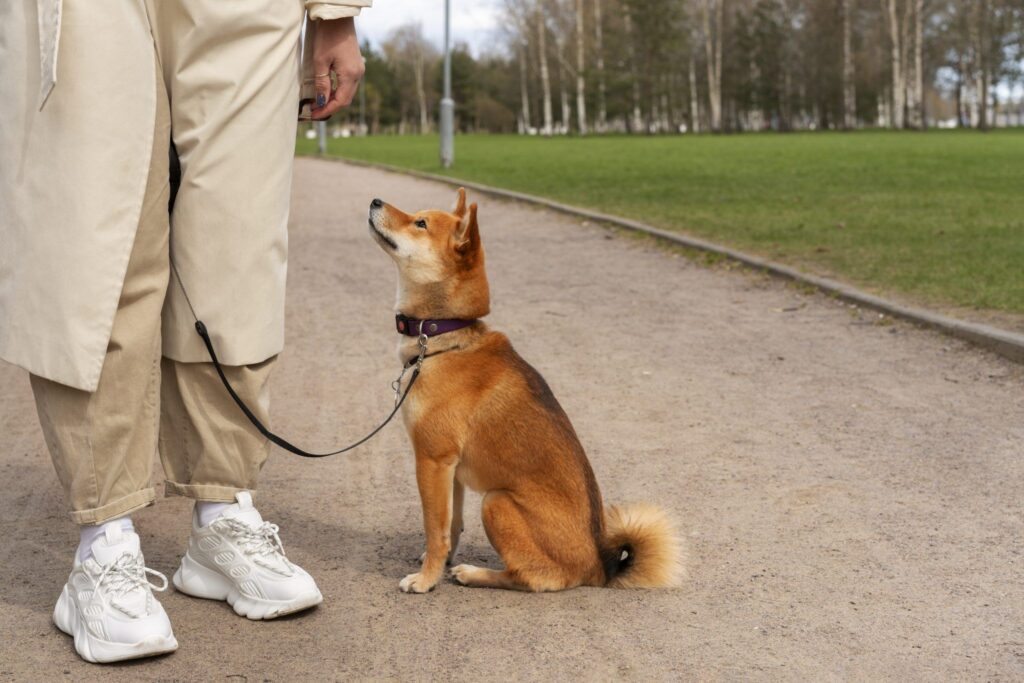
Understanding the Importance of Leash Training
● Leash training is crucial for teaching your puppy obedience and ensuring the safety of both you and your pet.
● This training helps your puppy learn to remain calm and under control in outdoor environments.
Gathering the Necessary Equipment
● Choosing the right equipment is essential for your puppy’s comfort and the success of the training.
● Below is a list showcasing different types of collars, harnesses, and leashes suitable for puppies:
| Type | Features | Suitable For |
| Collar | Simple, easy to adjust | Most puppies |
| Harness | Distributes pressure, reduces strain on the neck | Active or pulling puppies |
| Leash | Varying lengths and materials, can be chosen based on needs | All puppies |
Initial Leash Training Steps
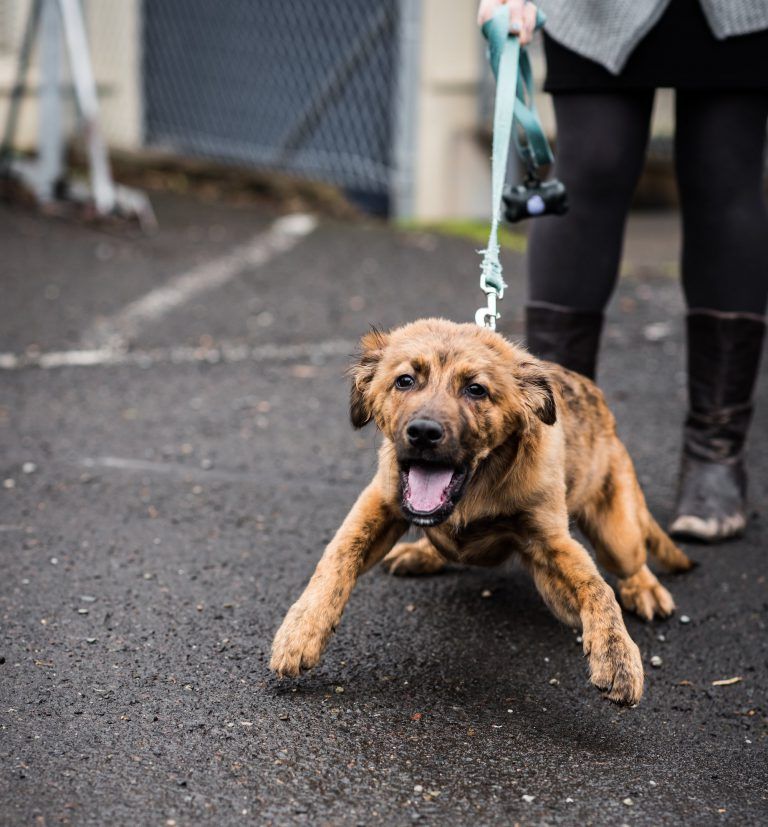
Acclimatizing Your Puppy to the Harness or Collar
● Use the following techniques to help your puppy get comfortable wearing a harness or collar:
○ Make the harness or collar a part of your puppy’s daily life, allowing them to explore and sniff it.
○ Use treats and praise to reward calm and accepting behavior from your puppy.
Introducing the Leash
● Get your puppy used to the presence of a leash with these steps:
○ Let the leash hang loosely on your puppy without applying any tension.
○ Allow your puppy to move freely in a safe home environment with the leash accompanying them.
How to Teach a Puppy to Walk on Leash?
Building Positive Associations
Using Positive Reinforcement
● Utilize treats, praise, and rewards to create a positive training experience:
○ Give rewards immediately after your puppy demonstrates good behavior.
○ Use a variety of rewards, such as toys or play, to keep your puppy interested.
Short and Sweet Sessions
● Keep training sessions brief to maintain your puppy’s interest and attention:
○ Start with sessions no longer than 5 minutes.
○ Gradually increase the duration as your puppy becomes more accustomed to the training.
Teaching Basic Leash Commands
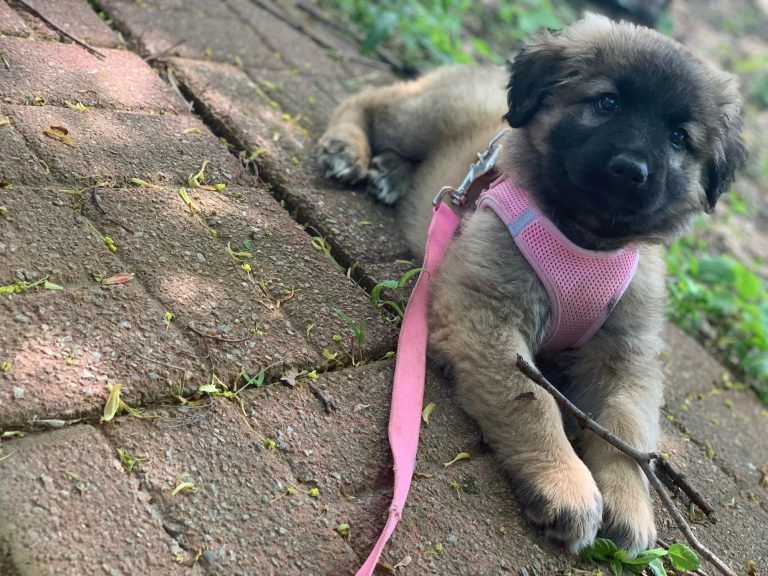
Establishing a Cue for Attention
● Develop a consistent sound or hand signal, such as a clicker or a specific word like “focus,” that will let your puppy know a reward is imminent.
● Use this cue right before giving a treat or praise to reinforce the association between the cue and the positive outcome.
Encouraging Your Puppy to Follow
● Begin by standing still and calling your puppy’s name followed by the command “come” or “with me.”
● Reward your puppy with a treat and praise when they take a step towards you.
● Gradually increase the distance between you and your puppy, always rewarding their progress.
Practicing in Controlled Environments
Walking in the Home
● Start leash training in a quiet room with no distractions.
● Use a long leash to give your puppy more freedom to explore while still under control.
● Practice turning and changing directions to get your puppy used to following your movements.
Progressing to Outdoor Spaces
● Once your puppy is comfortable walking on a leash indoors, move to a fenced backyard with minimal distractions.
● Keep sessions short and positive, gradually increasing the complexity of the environment as your puppy’s skills improve.
Overcoming Common Challenges
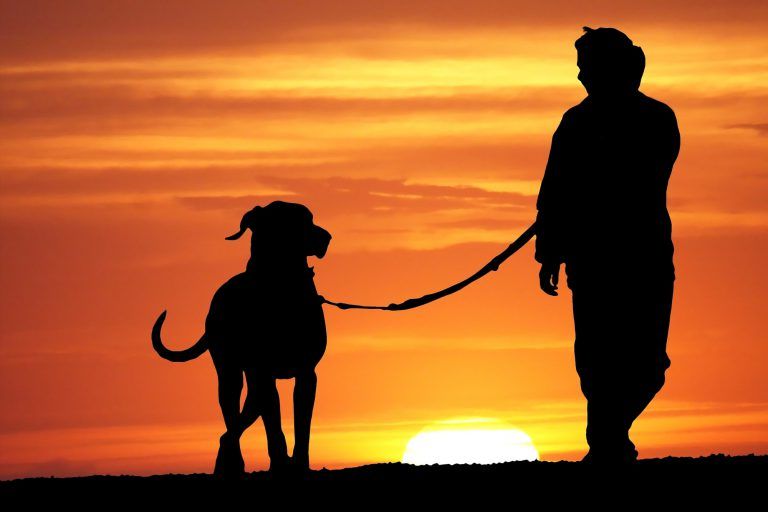
Dealing with Pulling
● Invest in a front-clip harness that discourages pulling by redirecting your puppy’s focus towards you.
● Practice “loose leash” walking, rewarding your puppy when they walk without tension on the leash.
Managing Distractions
● Choose quiet times and routes for your walks to minimize distractions.
● Train your puppy to associate your presence with attention, so they are less likely to be distracted by other stimuli.
Utilizing Training Tools
Harnesses for Control
● A well-fitted harness can provide better control than a collar, especially for strong or stubborn puppies.
● Introduce the harness gradually and always pair its use with positive experiences.
Head Halters as an Alternative
● For puppies that are particularly strong or have a tendency to pull, a head halter can be an effective tool.
● Ensure the head halter is used correctly to avoid causing discomfort or confusion for your puppy.
Advancing Leash Training Skills
Increasing Walk Duration
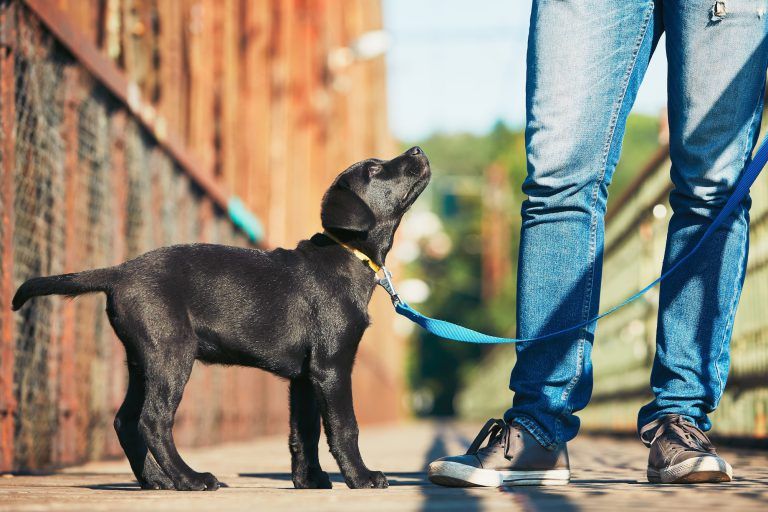
● Start by extending walks incrementally, perhaps by adding a few extra minutes each time.
● Monitor your puppy’s energy levels and adjust the duration to ensure they don’t become overly fatigued.
Teaching ‘Wait’ and ‘Heel’ Commands
● The ‘wait’ command can be taught by asking your puppy to stay in one spot while you take a step away, gradually increasing the distance.
● The ‘heel’ command involves training your puppy to walk beside you without pulling ahead, rewarding them for staying close.
Incorporating Real-World Scenarios
Walking in Diverse Environments
● Introduce your puppy to various terrains such as grass, gravel, and pavement to prepare them for different walking conditions.
● Practice in areas with light traffic and gradually increase the level of difficulty as your puppy gains confidence.
Socializing with Other Dogs and People
● Arrange playdates with other dogs in controlled settings to help your puppy learn appropriate social behaviors.
● Encourage polite interactions by rewarding calm behavior around other dogs and people.
Sustaining Leash Walking Proficiency
Daily Consistency
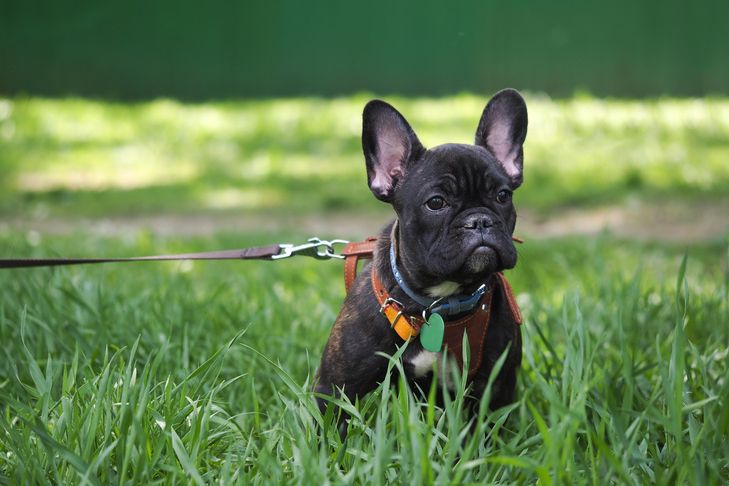
● Consistent daily practice is key to reinforcing good leash walking habits.
● Establish a routine that works for you and your puppy, whether it’s a morning jog or an evening stroll.
Adjusting Reward Frequency
● As your puppy becomes more proficient, gradually reduce the frequency of treats, using them more as a surprise reward rather than an expectation.
Long-Term Training Strategies
Addressing Relapses
● If your puppy starts pulling on the leash again, revisit the basics and reinforce previous lessons.
● Be patient and consistent, understanding that setbacks are a natural part of the learning process.
Continual Skill Development
● Keep training sessions engaging and fun to maintain your puppy’s interest.
● Introduce new challenges and environments to continue developing their leash walking skills.
Reflecting on Progress and Moving Forward
Evaluating Your Puppy’s Leash Walking Skills
● Regularly assess your puppy’s progress by noting their response to various commands and their behavior during walks.
● Create a checklist of leash walking skills, such as staying by your side, responding to ‘wait’ and ‘heel,’ and walking without pulling.
● Celebrate milestones, no matter how small, to keep the training process positive and rewarding for your puppy.
Encouraging Ongoing Learning
● Maintain a mindset of patience, recognizing that training is an ongoing process and that every dog learns at a different pace.
● Continue to introduce new challenges and environments to keep the training fresh and to prevent boredom.
● Use a variety of rewards, including praise, toys, and treats, to reinforce good behavior and to keep your puppy motivated.
Creating a Training Journal
● Consider keeping a training journal to track your puppy’s progress over time. Note the commands they’ve mastered and areas that may need more work.
● Reflect on what training methods have been most effective and adjust your approach as needed.
Setting Realistic Goals
● Set achievable goals for your puppy’s leash walking skills. Break down larger objectives into smaller, manageable steps.
● Be prepared to adjust your goals based on your puppy’s progress and any challenges that arise.
Seeking Professional Help
● If you encounter persistent issues or feel that your puppy’s training is not progressing as expected, consider seeking the guidance of a professional dog trainer.
● A professional can provide personalized advice and techniques tailored to your puppy’s specific needs.
Incorporating Play and Fun
● Integrate play and fun into training sessions to keep your puppy engaged and to reinforce the bond between you.
● Use games that involve movement and obedience, such as “Fetch” while on a leash or “Follow the Leader” to practice walking together.
Reviewing and Revising Techniques
● Periodically review the techniques you are using and be open to revising them if they are not yielding the desired results.
● Stay informed about new training methods and be willing to adapt your approach to better suit your puppy’s learning style.
Recognizing and Rewarding Effort
● It’s important to recognize and reward effort, not just success. Praise attempts at obedience, even if they are not perfect, to encourage continued learning.
Long-Term Commitment
● Understand that maintaining leash walking proficiency is a long-term commitment. Continue to practice and reinforce good habits even after your puppy has mastered the basics.



 English
  Turkish
  German
  Dutch
Dutch  French
  Greek
Greek  Danish
  Finnish
  Swedish
  Italian
  Polish
  Portuguese
  Russian
  Spanish