

Con l'abbassamento delle temperature, tenere il cane al caldo diventa una delle principali preoccupazioni. Questo articolo approfondisce le soglie di temperatura critiche per maglioni per cani, offering practical strategies to ensure your pet’s comfort in the cold.
At What Temperature Do Dogs Need a Sweater: In-Depth Analysis and Strategies
The Science of Canine Thermoregulation
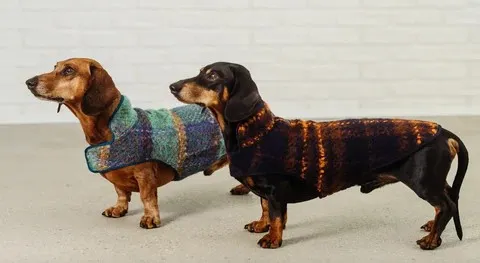
How Dogs Regulate Body Temperature
Dogs, like all mammals, are endothermic, meaning they generate their body heat internally. They achieve thermoregulation through a combination of physiological and behavioral adaptations. Panting is a primary mechanism for dissipating excess heat, while shivering helps generate heat when they’re cold. Blood vessels in the skin, known as arteriovenous anastomoses, can dilate or constrict to regulate heat loss or gain.
The Role of Fur and Undercoat in Insulation
A dog’s fur serves as a natural insulator, with the undercoat trapping a layer of air close to the skin, acting much like a thermal blanket. The thickness and type of fur vary among breeds, with some dogs having a single coat and others having a double coat that provides superior insulation. For instance, Siberian Huskies and Alaskan Malamutes have dense undercoats that protect them from the Arctic chill, while Greyhounds and Whippets have thin coats that are better suited for warmer climates.
Determining the Need for Sweaters: Temperature Guidelines
The Critical Threshold of 32°F (0°C)
Temperatures below 32°F (0°C) are generally considered the threshold at which most dogs will start to feel the cold. This is especially true for breeds not naturally equipped with heavy coats or for dogs with short or thin fur. At this point, a sweater can provide an extra layer of insulation to help maintain body heat.
When 45°F (7°C) Marks the Consideration Point
Even at temperatures above freezing, dogs can still feel the chill, especially with wind or wet conditions. At around 45°F (7°C), it’s wise to start considering a sweater for your dog, particularly if they exhibit signs of discomfort or if they have thinner coats. Smaller breeds and dogs with short legs (like Dachshunds and Corgis) are especially prone to feeling the cold due to their relatively large surface area to volume ratio.
Varying Tolerance Based on Breed and Size
Different breeds have varying tolerances to cold based on their size, fur type, and origin. For example, a Labrador Retriever, with its thick double coat, might remain comfortable down to temperatures that would have a Chihuahua shivering. Similarly, larger dogs generally have a lower surface area to volume ratio, which helps them retain heat more effectively than smaller dogs. It’s important to consider your dog’s unique needs when deciding if a sweater is necessary.
Indicators That Your Dog Needs Extra Warmth

Riconoscere i segni dello stress da freddo
Cold stress in dogs can manifest in various ways. Shivering is an obvious sign, but other indicators include:
- Alla ricerca di calore: Dogs may gravitate towards warm spots near heating vents or snuggle closer to you under blankets.
- Resting More: A dog that’s feeling the cold might be less active and seek more rest, conserving energy to stay warm.
- Postura ingobbita: Dogs often hunch their bodies or tuck their tails between their legs to minimize heat loss.
Behavioral Changes and Their Implications
Changes in behavior can signal that your dog is uncomfortable with the cold. Watch for:
- Letargia: If your usually energetic dog is sluggish, it might be too cold for them.
- Cambiamenti dell'appetito: Some dogs eat more in cold weather to generate body heat, while others might lose their appetite.
- Ritmo incalzante o irrequietezza: Discomfort can lead to increased pacing or restlessness, especially if they’re trying to find a warmer spot.
The Importance of Regular Health Checks
Regular health checks are crucial, especially during colder months. Health issues can affect a dog’s ability to tolerate cold, and a check-up can help identify any underlying conditions that might make your dog more susceptible to cold stress. Consult with your vet to ensure your dog is in good health and discuss any concerns about their comfort in cold weather.
Choosing the Right Dog Sweater
Materials with Insulating Properties
When selecting a dog sweater, look for materials that provide excellent insulation. Fleece, wool, and thermal fabrics are top choices because they:
- Trap Warm Air: These materials are effective at trapping warm air close to the dog’s body.
- Wick Moisture: They help to wick away moisture, keeping your dog dry and warm.
- Traspirante: They allow air to circulate, preventing overheating.
Finding the Perfect Fit for Maximum Coverage
A well-fitted sweater is essential for maximum coverage and warmth. When trying on a sweater:
- Misura: Use a soft measuring tape to get your dog’s girth (around the ribcage, behind the front legs), neck, and length (from the base of the neck to the base of the tail).
- Check the Coverage: Ensure the sweater covers the dog’s chest, back, and abdomen but doesn’t restrict movement or interfere with their legs.
- Facilità di medicazione: Look for sweaters with easy-to-use closures, like Velcro or snaps, that make dressing your dog hassle-free.
Special Considerations for Short-Haired and Hairless Breeds
Breeds with short hair or no hair, such as the Chihuahua, Whippet, or Chinese Crested, have limited natural insulation. For these breeds:
- Copertura completa: Opt for sweaters that cover as much of the body as possible, including the chest, back, and abdomen.
- Head and Ear Protection: Consider sweaters with hoods or separate head covers to protect their ears and head from the cold.
- Paw Protection: Look for boots or socks to protect their paws from cold and salt used on icy sidewalks.
Crafting a Warm Indoor Environment

Selezione di letti per cani isolati ed ergonomici
A good night’s sleep is essential for your dog’s well-being, especially in colder months. When choosing a dog bed, consider the following:
- Isolamento: Look for beds with materials like memory foam or orthopedic foam that provide insulation and support.
- Coverings: Beds with removable, washable covers made from fleece or thick cotton can add an extra layer of warmth.
- Dimensione: Ensure the bed is large enough for your dog to stretch out comfortably but not so large that it loses its insulating properties.
Utilizzo di riscaldatori per ambienti e sistemi di controllo della temperatura
While space heaters can provide a quick solution to cold spots, they should be used safely and effectively:
- La sicurezza prima di tutto: Use space heaters with tip-over protection and place them in areas where pets cannot knock them over.
- Thermostat Settings: Program your thermostat to maintain a comfortable temperature, especially during the times your dog is most likely to be resting.
- Zone Heating: Consider using space heaters to warm only the rooms your dog frequents, saving energy and maintaining comfort.
Massimizzare le proprietà isolanti della vostra casa
Improving your home’s insulation can help keep your dog warm and reduce energy costs:
- Sigillare le correnti d'aria: Check for drafts around windows and doors, and use weatherstripping or draft stoppers to seal them.
- Insulate Windows: Use thermal curtains or window film to reduce heat loss through windows.
- Rugs and Carpets: Adding rugs or carpets to hard floors can help retain heat and provide a warmer surface for your dog to lie on.
Ensuring Outdoor Comfort and Safety
Costruire o scegliere il giusto rifugio per cani isolato
If your dog spends time outside, an insulated dog house is a must:
- Dimensione: The house should be large enough for your dog to stand up, turn around, and lie down comfortably.
- Isolamento: Look for houses with thick walls and a raised floor to keep cold ground from seeping in.
- Ventilation: Ensure there’s a vent or small opening for fresh air while still maintaining insulation.
Protezione da vento e umidità
Wind and moisture can make temperatures feel much colder. To protect your dog:
- Barriere al vento: Place the dog house in a sheltered area, such as against a wall or fence, to block wind.
- Controllo dell'umidità: Use a waterproof mat or elevated bed inside the house to keep your dog off damp ground.
- Controlli regolari: Check the house regularly for signs of water leaks or drafts.
Fornire uno spazio caldo e asciutto ai cani che vivono all'aperto
Even if your dog doesn’t live outside full-time, providing a warm and dry space for them when they’re outdoors is important:
- Biancheria da letto: Provide a warm, dry bed with blankets that your dog can snuggle into.
- Rifugio: Ensure there’s a dry, sheltered area where your dog can take refuge from the elements.
- Access to Warmth: If possible, provide access to a heated space, like a garage or mudroom, where your dog can warm up.
Health and Age-Related Vulnerabilities
How Health Issues Affect Cold Tolerance
Certain health conditions can compromise a dog’s ability to regulate body temperature. Conditions such as:
- Ipotiroidismo: This can lead to a decrease in metabolic rate, making it harder for dogs to generate heat.
- Artrite: Can make it difficult for dogs to move around and generate body heat through activity.
If your dog has a health condition, consult with your vet to understand how it may affect their cold tolerance and what additional measures you can take to keep them warm.
Special Care for Senior Dogs and Puppies
Senior dogs and puppies have unique needs when it comes to staying warm:
- Cani anziani: They may have a reduced ability to regulate body temperature due to age-related changes. Regular check-ups and a warm, comfortable bed can help.
- Cuccioli: Their bodies are still developing, and they may struggle to maintain body heat. Puppies should be kept in a warm environment and given extra blankets if needed.
The Impact of Weight on a Dog’s Ability to Stay Warm
A dog’s weight can significantly impact how well they retain heat. Overweight dogs have more insulation, but they may also have reduced mobility, making it harder for them to change positions to stay comfortable. Underweight dogs, on the other hand, lack the insulation needed to stay warm and may need additional clothing or bedding.
Activity Level’s Influence on Thermal Needs

The Interplay Between Exercise and Body Heat
Exercise generates body heat, which can help dogs stay warm, especially in cold weather. However, it’s essential to balance exercise with rest to prevent overexertion and heat loss:
- Outdoor Play: Short, frequent play sessions can help keep dogs warm without overexerting them.
- Attività al chiuso: Puzzle toys and indoor games can also help keep dogs active and generate body heat.
Adjusting Sweater Use Based on Activity
The need for a sweater can change depending on your dog’s activity level:
- Active Dogs: May not need a sweater during play but could benefit from one before and after to conserve body heat.
- Less Active Dogs: May need a sweater even during indoor activities to help them stay warm.
Seasonal Adjustments for Indoor vs. Outdoor Living
The change in seasons can affect a dog’s thermal needs, whether they live indoors or outdoors:
- Indoor Dogs: As the weather gets colder, you may need to adjust your home’s temperature settings or add extra blankets.
- Cani da esterno: May require more frequent access to warm spaces during the day and a more insulated shelter at night.
A quale temperatura i cani hanno bisogno di un maglione?
Tecniche avanzate di isolamento per cani
Utilizzo di coperte riflettenti e materiali isolanti
Reflective blankets and materials can help retain your dog’s body heat by reflecting it back to them. These can be particularly useful for outdoor dogs:
- Coperte riflettenti: These are lightweight and can be used both indoors and outdoors to provide an extra layer of insulation.
- Materiali isolanti: Foam, rubber, or plastic sheets can be used to line dog beds or houses to provide an additional barrier against cold surfaces.
Creare soluzioni di isolamento fai-da-te per le cucce per cani
A little creativity can go a long way in keeping your dog warm. Here are some DIY solutions:
- Bottle-Walled Bed: Fill plastic bottles with rice or beans and place them around the edges of your dog’s bed to create a natural barrier against drafts.
- Coperture isolate: Use old blankets or towels and layer them over your dog’s bed to create a makeshift insulator.
Sfruttare il potere del calore corporeo con più animali domestici
If you have more than one pet, they can help keep each other warm:
- Biancheria da letto condivisa: Allow your pets to share a bed so they can benefit from each other’s body heat.
- Nidificazione di gruppo: Provide a large bed or nest-like structure where multiple pets can cuddle together for warmth.
Behavioral Adjustments and Seasonal Car

Understanding Changes in Your Dog’s Routine and Behavior in Cold Weather
Dogs may exhibit different behaviors in cold weather. It’s important to recognize these changes and respond accordingly:
- Attività ridotta: If your dog is less active than usual, it could be a sign that they’re conserving energy to stay warm.
- Cercare un riparo: Dogs may spend more time indoors or in sheltered areas outside. Make sure these spaces are warm and inviting.
Encouraging Natural Nesting Behaviors for Extra Warmth
I cani hanno un istinto naturale a fare il nido quando fa freddo. Potete assecondare questo comportamento
- Fornitura di materiali: Give your dog access to blankets, towels, or even straw or shredded paper that they can use to build their own nest.
- Creating a Nesting Area: Designate a specific area with plenty of bedding where your dog can burrow in for warmth.
Affrontare i disturbi affettivi stagionali nei cani
Just like humans, dogs can also experience seasonal affective disorders, which can affect their mood and energy levels:
- Esercizio fisico regolare: Ensure your dog gets enough exercise, even on cold days, to maintain their mood and energy.
- Stimolazione mentale: Provide toys and puzzles to keep your dog mentally engaged and to prevent boredom, which can exacerbate seasonal affective disorders.
Addressing FAQs and Misconceptions
Debunking Common Myths About Dog Sweaters
Dog sweaters are often misunderstood. Here are some common myths debunked:
- Mito: “All dogs need sweaters in cold weather.” Fatto: Only dogs with thin coats, short hair, or health issues affecting their thermoregulation typically require sweaters.
- Mito: “Dog sweaters are purely for fashion.” Fatto: While some are fashionable, their primary function is to provide warmth and insulation.
The Intersection of Fashion and Function in Dog Apparel
While function is paramount, fashion can play a role in dog apparel:
- Personalizzazione: Sweaters come in various styles and colors, allowing pet owners to express their dog’s personality.
- Visibilità: Reflective elements in fashionable sweaters can increase a dog’s visibility during evening walks.
Year-Round Care for Canine Comfort
Canine comfort isn’t just a seasonal concern:
- Estate: Consider cooling mats or jackets designed for hot weather to keep dogs cool.
- Transition Seasons: Be prepared to adjust your dog’s attire as temperatures fluctuate in spring and autumn.
Conclusione: Prioritizing Canine Comfort

Riconoscere le strategie chiave per una notte senza figli
To ensure your dog stays warm, remember these key strategies:
- Abbigliamento appropriato: Use sweaters and other protective clothing when temperatures drop.
- Ambiente caldo: Make sure your home is well-insulated and consider using space heaters in colder months.
- Regular Health Checks: Keep up with your dog’s health to address any issues that could affect their ability to stay warm.
L'impatto di un ambiente caldo sul benessere del cane
A warm and comfortable environment is crucial for your dog’s overall health and happiness:
- Salute fisica: Prevents health issues related to prolonged exposure to cold, such as hypothermia.
- Benessere mentale: A comfortable dog is a happy dog, which can lead to better behavior and a stronger bond with you.
Stabilire un piano per il benessere dei cani durante tutto l'anno
Finally, creating a year-round plan for your dog’s comfort will ensure they are always well cared for:
- Monitoraggio del tempo: Keep an eye on the forecast and adjust your dog’s clothing and environment accordingly.
- Stock Up: Have a supply of sweaters, blankets, and other comfort items readily available.
- Controlli sanitari annuali: Regular vet visits can help identify any changes in your dog’s health that might affect their comfort.

 English
  Turkish
  German
  Dutch
Dutch  French
  Greek
Greek  Danish
  Finnish
  Swedish
  Italian
  Polish
  Portuguese
  Russian
  Spanish