

With winter comes the need to ensure our furry friends are kept warm and comfortable. “Are Dog Sweaters Necessary?” provides practical advice and insights to help dog owners make informed decisions about canine apparel and other warmth solutions for a cozy environment during the chilly nights.
Are Dog Sweaters Necessary? A Comprehensive Guide to Canine Winter Wear
Ocena potrzeb psa

Identifying Breed-Specific Requirements for Winter Protection
Breeds have different tolerances to cold based on their origins and physical characteristics. For instance, Siberian Huskies have a thick double coat that makes them well-suited for arctic conditions, whereas a Chihuahua, with its small size and thin coat, would struggle in the same environment.
- List of Breeds and Their Winter Needs:
- Arctic Breeds: Require less clothing but still need protection from wet and windy conditions.
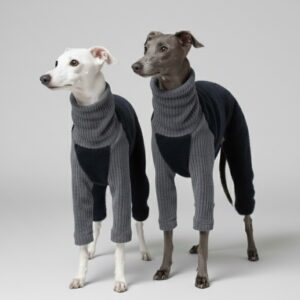
- Thin-Coated Breeds: May need sweaters or coats to maintain body heat.
- Small Breeds: Have a larger surface area to volume ratio, making them more susceptible to cold.
Recognizing the Signs of Discomfort in Cold Weather
Dogs may exhibit certain behaviors when they’re uncomfortable in the cold, such as shivering, seeking shelter, or reluctance to go outside.
- Oznaki dyskomfortu:
- Shivering or seeking warmth
- Hunched posture or tucking tail between legs
- Paw licking or excessive grooming
- Reluctance to go outside or play
Tworzenie idealnego wewnętrznego sanktuarium

Selecting Insulated and Ergonomic Dog Beds for Warmth
When choosing a dog bed, consider the material, insulation, and size. Orthopedic beds can provide support, while memory foam or self-heating options can retain heat.
- Features to Look for in Dog Beds:
- Insulated materials like memory foam or wool
- Waterproof and easy-to-clean covers
- Raised edges for added warmth and security
Rozsądne korzystanie z ogrzewaczy pomieszczeń i systemów kontroli temperatury
While space heaters can be beneficial, they should be used with caution to prevent burns or fires. Smart thermostats can help maintain a consistent temperature.
- Wskazówki dotyczące bezpieczeństwa grzejników:
- Place on a flat, stable surface away from flammable materials
- Use a timer or thermostat to regulate usage
- Never leave a space heater unattended
Maksymalizacja właściwości izolacyjnych domu
Sealing drafts and using thermal curtains can help retain heat. Insulating dog beds in colder areas of the house can also be beneficial.
- Wskazówki dotyczące izolacji domu:
- Seal gaps and cracks around windows and doors
- Use thermal curtains or blankets to cover windows at night
- Consider insulation for dog beds in colder rooms
Bezpieczeństwo i wygoda psa na zewnątrz

Budowa lub wybór odpowiedniej izolowanej budy dla psa
An insulated dog house is crucial for dogs that spend time outdoors in winter. It should be well-insulated, weatherproof, and large enough for your dog to stand and turn around in.
- Key Features of a Quality Dog House:
- Izolacja: Thick, durable materials to retain heat.
- Ventilation: Proper airflow to prevent moisture buildup.
- Rozmiar: Adequate space for your dog to move comfortably.
- Trwałość: Weather-resistant materials that can withstand harsh winters.
Protecting Against Wind and Moisture in Harsh Winters
Wind and moisture can quickly lower a dog’s body temperature. Providing windbreaks and waterproof coverings can make a significant difference.
- Strategies for Protection:
- Windbreaks: Use fences, walls, or dense shrubbery to shield the dog house from wind.
- Waterproofing: Ensure the dog house is elevated and has a pitched roof to prevent snow and rain accumulation.
Zapewnienie ciepłej i suchej przestrzeni dla psów przebywających na zewnątrz
In addition to a dog house, consider adding bedding made from insulating materials like straw or cedar chips, which also help absorb moisture.
- Bedding Options:
- Straw: Provides excellent insulation and is cost-effective.
- Cedar Chips: Naturally repel moisture and insects.
- Heated Pads: Consider for extreme cold to provide additional warmth.
Rola odzieży w termoregulacji psów

Rodzaje kurtek dla psów i ich właściwości izolacyjne
Different coats serve different purposes, from waterproof to reflective, each designed to address specific weather conditions.
- Rodzaje płaszczy dla psów:
- Waterproof: Ideal for wet and snowy conditions.
- Reflective: Enhances visibility during early morning or evening walks.
- Fleece-Lined: Provides warmth without restricting movement.
Selecting the Correct Fit for Maximum Warmth and Comfort
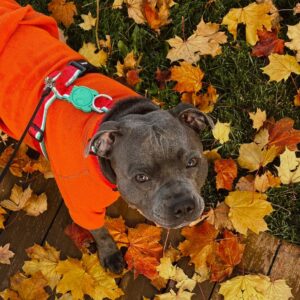
A well-fitted coat should be snug but not tight, allowing for freedom of movement while still providing insulation.
- Tips for a Perfect Fit:
- Dokładne pomiary: Use a soft measuring tape to get the correct dimensions.
- Check for Mobility: Ensure the dog can move freely and comfortably.
- Adjustable Features: Look for adjustable straps or Velcro for a secure fit.
Zaspokajanie potrzeb ras krótkowłosych i bezwłosych
Short-haired and hairless breeds are particularly vulnerable to cold weather and require extra protection.
- Uwagi specjalne:
- Booties: Protect paws from cold and ice.
- Hooded Coats: Provide extra warmth for the head and ears.
- Nasal Protection: Some breeds may need protection for their noses to prevent frostbite.
Monitorowanie stanu zdrowia i opieka weterynaryjna

Rozpoznawanie chorób związanych z ekspozycją na zimno
Cold weather can exacerbate certain health conditions or lead to new ones. It’s important to be aware of the signs of cold-related illnesses in dogs.
- Powszechne choroby związane z przeziębieniem:
- Hypothermia: Shivering, lethargy, low body temperature.
- Frostbite: Discoloured, cold, hard skin, especially on the ears, tail, or paws.
- Arthritis Flares: Stiffness and difficulty moving, especially in the morning or after rest.
- Respiratory Infections: Coughing, sneezing, or discharge from the nose.
Przygotowanie do nagłych sytuacji weterynaryjnych
It’s crucial to be prepared for emergencies, especially during winter when weather conditions can complicate travel.
- Emergency Preparedness Tips:
- Keep a list of emergency veterinary clinics and their holiday hours.
- Have a pet first aid kit ready.
- Ensure your pet is microchipped and has a collar with up-to-date ID tags.
Regular Check-Ups and Preventive Care in Winter
Regular vet visits can help catch potential issues early and keep your dog in good health throughout the winter.
- Preventive Care Measures:
- Schedule regular check-ups to monitor your dog’s health.
- Discuss and administer necessary vaccinations.
- Talk to your vet about dietary changes or supplements to support your dog’s health in cold weather.
Zaawansowane techniki izolacji

Using Reflective Blankets and Insulating Materials Effectively
Reflective blankets and materials can help retain body heat and provide an additional layer of warmth for your dog.
- How to Use Reflective Blankets:
- Use them in the dog house or as a top layer on dog beds.
- Ensure they are clean and in good condition for maximum effectiveness.
Tworzenie rozwiązań izolacyjnych DIY dla legowisk dla psów
If you’re handy, creating your own insulation solutions can be a cost-effective way to keep your dog warm.
- DIY Insulation Ideas:
- Use recycled materials like old blankets or foam.
- Create a no-sew dog bed by filling a waterproof bag with rice or beans, which can retain heat.
- Build a raised dog bed frame to allow for better insulation from the cold ground.
Wykorzystanie mocy ciepła ciała wielu zwierząt domowych
If you have multiple pets, they can help keep each other warm through their body heat.
- Tips for Multiple Pets:
- Encourage them to sleep close together for shared warmth.
- Consider a larger dog bed or multiple beds pushed together.
- Provide blankets or rugs for them to snuggle under.
Dostosowanie zachowania do niskich temperatur

Understanding Changes in Your Dog’s Routine and Behavior in Winter
Dogs, like humans, may experience changes in behavior and routine during winter. They might sleep more, eat more, or show less interest in outdoor activities.
- Observing Behavioral Changes:
- Monitor for increased sleep or lethargy.
- Notice changes in appetite, which could indicate a need for more energy to stay warm.
- Be aware of reluctance to go outside, which could be due to discomfort from cold surfaces or wind chill.
Encouraging Natural Nesting Behaviors for Additional Warmth
Dogs have a natural instinct to nest, which can help them stay warm. Providing materials that encourage this behavior can be beneficial.
- Supporting Nesting Behaviors:
- Provide soft blankets, towels, or even cardboard boxes for your dog to create a nest.
- Ensure the nesting area is comfortable and out of drafts.
Przeciwdziałanie sezonowym zaburzeniom afektywnym u psów
Just like humans, dogs can experience seasonal affective disorders, which can manifest as changes in energy levels or mood.
- Tips for Seasonal Affective Disorders:
- Maintain a regular exercise routine to keep your dog active and stimulated.
- Consider artificial light sources if the days are shorter and darker.
- Consult with a vet or a canine behaviorist if you notice significant changes in behavior.
Conclusion: Ensuring a Warm Night’s Sleep for Your Dog

Kluczowe strategie na noc bez dzieci
To ensure your dog stays warm and comfortable during the cold nights, consider the following strategies:
- Provide appropriate clothing and bedding.
- Insulate outdoor shelters and indoor living spaces.
- Monitor your dog’s health and behavior closely.
- Be prepared for emergencies and maintain regular veterinary care.
Wpływ ciepłego otoczenia na dobre samopoczucie psa
A warm and comfortable environment can significantly impact your dog’s well-being, affecting their physical health, behavior, and overall happiness.
- Korzyści z ciepłego środowiska:
- Improved sleep quality, leading to better health and energy levels.
- Reduced risk of cold-related health issues.
- Enhanced comfort and contentment, leading to a stronger bond with their owner.
Ustanowienie całorocznego planu dla komfortu psów
To keep your dog comfortable all year round, it’s important to have a plan in place that addresses each season’s specific needs.
- Creating a Year-Round Plan:
- Winter: Focus on insulation, warmth, and monitoring for cold-related illnesses.
- Spring: Gradually adjust to warmer weather and watch for allergies.
- Summer: Provide shade, fresh water, and monitor for heatstroke.
- Autumn: Prepare for the transition to colder weather by checking winter gear and supplies.


 English
  Turkish
  German
  Dutch
Dutch  French
  Greek
Greek  Danish
  Finnish
  Swedish
  Italian
  Polish
  Portuguese
  Russian
  Spanish