
Introduction: Understanding Bed Bugs and Dogs’ Relationship

Imagine your customers discovering that their pet’s discomfort—itching, redness, or restlessness—comes from bedbugs hiding in a poorly designed pet bed.
While bedbugs prefer humans, they can also bite dogs on fur-free areas like the belly, ears, and paws, causing irritation and stress.
For pet owners, this is more than an annoyance—it’s a health and comfort issue. And for pet product buyers and sellers, it highlights the need for smarter designs.
At Pecpets, we create pet-friendly, bedbug-resistant beds, carriers, and accessories that protect pets while strengthening your brand reputation. Explore our one-stop solutions. Let’s explore how the right product design can make all the difference.
Identifying Bed Bugs and Their Behavior Around Dogs

A. What Are Bed Bugs?
Bed bugs, scientifically known as Cimex lectularius, are small, flat, and oval-shaped insects. They are reddish-brown in color and grow to about the size of an apple seed when fully mature. Despite their small size, they are hardy pests that can cause significant discomfort.
These bugs are nocturnal, meaning they come out to feed at night. They rely on warm-blooded animals, including humans, for their blood meals.
While bed bugs cannot fly, they are excellent crawlers. They travel by hitchhiking on clothing, luggage, or furniture, making it easy for them to spread unnoticed.
B. How Bed Bugs Spread
Bed bugs are experts at moving from place to place. They often hitch a ride on personal belongings like luggage, backpacks, or even pet carriers.
Infestations commonly occur in high-traffic areas, such as homes, hotels, apartments, and public transportation. Choosing odporne na gryzienie legowiska dla psów can help reduce pet stress in such environments.
What makes them even harder to control is their ability to survive without feeding for months. Even in an empty home or a vacant room, bed bugs can wait patiently for their next host. This resilience makes eradication a time-consuming and challenging process.
C. Signs of a Bed Bug Infestation
Spotting bed bugs may not be easy at first, but there are clear signs to watch for:
- Reddish-Brown Fecal Spots: These can appear on bedding, mattresses, or furniture.
- Bloodstains on Sheets: Small blood smears may occur after bed bugs have fed and been crushed.
- Shed Exoskeletons: Bed bugs shed their outer shells as they grow, leaving behind tiny, translucent skins.
- Musty Odor: Infestations often produce a distinct, unpleasant smell.
- Live Bed Bugs: Adult bed bugs are rust-colored but turn bright red after feeding. They may be found hiding in mattress seams, cracks, or crevices.
If you notice any of these signs, it’s time to act quickly. Early detection is key to controlling their spread before they become a bigger problem.
Do Bed Bugs Bite Dogs? Key Facts Every Pet Owner Should Know

A. Bed Bug Preference for Human Hosts
Bed bugs have a strong preference for humans as their primary hosts. Why? Humans have little to no fur, making it easier for bed bugs to access the skin and feed. Our body heat and carbon dioxide also attract them.
Dogs, on the other hand, are considered secondary hosts. This means bed bugs will only bite dogs when human hosts aren’t readily available. For example, in severe infestations or when a dog sleeps near an infested area, they may become targets.
B. Likelihood of Bites on Dogs
Impact of Bedbugs on Dogs: Facts vs. Solutions
| Czynnik | Explanation | Suggested Countermeasure |
| Vulnerable Areas | Belly, ears, paws, and other spots with sparse fur | Use bedbug-resistant pet beds and accessories |
| Natural Barrier | Thick fur provides some protection but does not make dogs fully immune | Regularly check your pet’s body and keep it clean |
| Health Risks | Bedbugs do not transmit diseases, but they can cause itching, allergic reactions, or secondary infections | Maintain hygiene and provide protective products |
C. Identifying Bed Bug Bites on Dogs
If bed bugs bite your dog, the signs can be subtle but noticeable:
- Small, Red, Itchy Welts or Bumps: These are often clustered in specific areas with less fur.
- Excessive Scratching, Licking, or Biting: Your dog may focus on the affected area, trying to relieve the itchiness.
- Skin Changes: Over time, the skin may thicken, harden, or show signs of irritation from repeated scratching or biting.
If you notice these symptoms, check your dog’s sleeping area for signs of bed bugs. Early identification can prevent further discomfort and help you manage the infestation quickly.
Health Concerns for Dogs from Bed Bug Bites

While bed bugs are a nuisance, the good news is that they don’t typically pose serious health risks to dogs. However, their bites can still cause discomfort and lead to certain issues. Let’s take a closer look at how these pests can impact your furry friends.
A. Disease Transmission
Unlike ticks or fleas, bed bugs are not known to transmit diseases to dogs or humans. Their bites may be irritating, but they don’t carry harmful pathogens. This makes them more of a physical annoyance than a direct health threat.
B. Allergic Reactions
Some dogs may have allergic reactions to bed bug bites. Signs of sensitivity can include:
- Small, red bumps on the skin.
- Hives or raised welts.
- Facial swelling or puffy eyes.
- In rare cases, difficulty breathing or even anaphylaxis, which is a severe allergic reaction requiring immediate veterinary care.
Pay close attention to your dog’s behavior and skin after suspected bed bug exposure. If you notice unusual swelling or signs of discomfort, consult your vet right away.
C. Secondary Infections
Excessive scratching is one of the biggest risks of bed bug bites. When a dog scratches too much, they can break the skin. This creates an entry point for bacteria, which may lead to secondary infections.
Watch for warning signs like redness, swelling, or discharge from the affected area. These are indicators that the bite site might be infected and needs treatment.
Can Dogs Carry or Spread Bed Bugs at Home?

A. Unlikely Carriers
The good news is that dogs are not ideal hosts for bed bugs. Unlike fleas or ticks, bed bugs don’t live on dogs long-term. They only feed for a few minutes and then retreat to their hiding spots.
A dog’s fur also plays an important role. It makes it harder for bed bugs to move around or lay eggs. This means bed bugs are unlikely to use your dog as a permanent home. However, they may still bite if they get the chance.
B. Indirect Spread
While dogs don’t carry bed bugs directly, they can spread them indirectly. For example, bed bugs might latch onto your dog’s bedding, collar, or even toys. After a visit to an infested area, like a groomer, boarding facility, or public space, a few bed bugs might hitch a ride back home.
This is where product design becomes crucial. Pet product manufacturers and sellers should focus on materials and designs that discourage bed bug harboring, consider ekologiczne legowiska dla psów oraz wodoodporne legowiska dla psów that are easy to clean and maintain.
Smooth, easy-to-clean surfaces and tightly sealed fabrics can make a big difference. These features not only help prevent infestations but also make cleaning and maintenance much easier for pet owners.
By understanding these risks, buyers and sellers can prioritize products that help prevent bed bug spread. This benefits both pets and their owners, ensuring a more comfortable and safer environment.
How to Protect Dogs and Homes from Bed Bugs
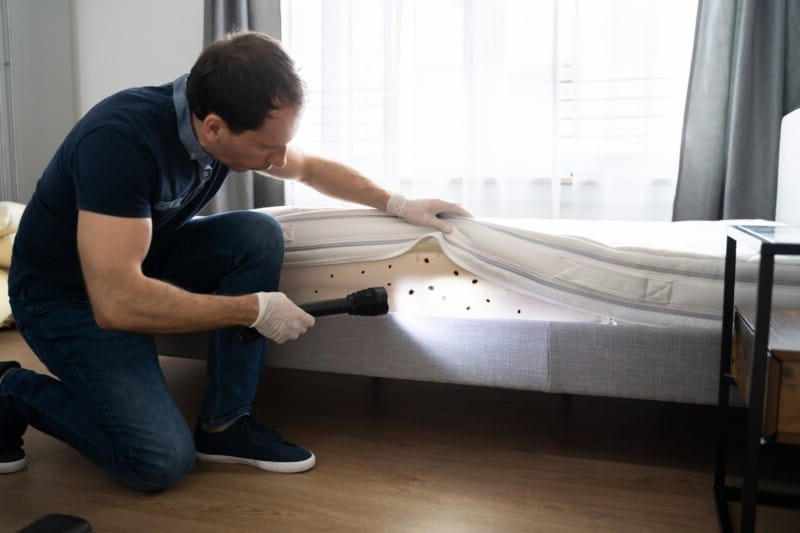
Bed bugs can be a challenge to deal with, but with the right strategies, you can protect both your dog and your home. From prevention to treatment, here’s how to stay one step ahead of these pests.
A. Prevention Strategies
The key to preventing bedbugs lies in choosing the right product design and maintaining daily care. Here are some practical tips:
- Regularly inspect your pet’s living space: Pay special attention to pet beds and crates. Check for cracks or seams where bedbugs might hide.
- Choose pet supplies made from easy-to-clean materials: For example, Pecpets pet beds feature a smooth, tightly sealed fabric design that eliminates hiding spots for bedbugs. One of our wholesale partners reported a 30% drop in customer complaints after switching to our bedbug-resistant pet beds. Such features not only ensure pet comfort but also reduce after-sales issues for retailers and sellers.
- Wash pet products frequently: Whenever possible, select pet beds and accessories that are machine washable with hot water, as heat effectively kills bedbugs and their eggs.
By staying vigilant and choosing the right products, you can significantly reduce the risk of bed bugs affecting your home and pets.
B. Treating Bed Bug Bites on Dogs
If your dog gets bitten by bed bugs, there are simple ways to provide relief:
- Wash the Affected Area: Use a mild dog shampoo and rinse thoroughly to clean the bites.
- Apply a Cold Compress: This helps reduce itching and inflammation.
- Use Anti-Itch Products: Topical creams or sprays can soothe irritation, but always consult your vet first.
- Try Antihistamines: For more severe cases, your vet may recommend antihistamines to reduce allergic reactions.
Quick treatment can prevent further irritation and keep your dog comfortable.
C. Eliminating Bed Bugs from Your Home
If you discover bed bugs in your home, act fast to eliminate them:
- Wash Dog Bedding: Wash and dry your dog’s bedding, blankets, and clothing on high heat. Heat is one of the most effective ways to kill bed bugs.
- Vacuum Thoroughly: Clean floors, furniture, and crevices where bed bugs might hide. Dispose of the vacuum bag immediately after use.
- Steam Cleaning: Use a steam cleaner on carpets, baseboards, and furniture. High temperatures kill bed bugs and their eggs.
- Seal Cracks and Crevices: Eliminate hiding spots by sealing gaps in walls, baseboards, and furniture.
- Treat Infested Furniture: Heavily infested items may need to be professionally treated or discarded.
- Professional Pest Control: For severe infestations, consider hiring experts. They may use heat treatments, pesticide foggers, or desiccant powders to eliminate bed bugs.
For wholesalers and retailers, offering pet-safe cleaning products and pest control solutions can help address customer concerns about infestations.
D. Pet-Safe Bed Bug Control
When treating bed bugs, always prioritize your pet’s safety:
- Use Pet-Safe Treatments: Avoid harsh chemicals directly on your pets or their belongings. Look for products labeled as pet-safe.
- Remove Pets During Treatment: If using chemical treatments, keep pets out of the treated area until it’s safe.
- Protect Other Animals: Cover bird cages and fish tanks during pest control treatments, and ensure proper ventilation afterward.
- Consult Professionals: If you’re unsure about a treatment’s safety, consult your vet or a pest control expert.
A safe and thorough approach to pest control ensures your pets stay healthy while you eliminate the infestation.
The Role of Dogs in Detecting Bed Bugs

A. Canine Detection
Did you know that dogs can play a key role in detecting bed bugs? Trained detection dogs are highly skilled at identifying the presence of bed bugs with impressive accuracy. These dogs can sniff out infestations in places humans might overlook, such as cracks, crevices, or deep within furniture.
Their ability to pinpoint problem areas makes them incredibly useful, especially for confirming infestations or ensuring eradication efforts have been successful. In fact, canine detection is often used by pest control professionals for thorough inspections.
B. Scent Detection
Dogs rely on their keen sense of smell to locate bed bugs, even in hidden areas. They can detect the unique pheromones and odors that bed bugs release, which are undetectable to humans. This ability is what makes them such effective “bed bug detectors.”
For pet product manufacturers and sellers, this highlights an important consideration: offering products that complement canine detection efforts, consider funkcjonalna odzież dla psów oraz podstawowa odzież dla psów that are durable and easy to maintain.
Durable, scent-friendly carriers and bedding can make it easier for both dogs and their handlers to navigate potential infestations. Smooth, easy-to-clean materials can also help remove lingering bed bug odors, aiding in prevention and detection.
By leveraging a dog’s natural abilities, pest control becomes faster, more accurate, and less invasive. Whether you’re a pet owner or a product designer, understanding this role can help you make smarter choices to tackle bed bug problems.
Common Misconceptions About Bed Bugs and Dogs

When it comes to bed bugs and pets, there are several misconceptions that can lead to confusion. Let’s clear up a few of the most common misunderstandings to help pet owners and product buyers make informed decisions.
A. Flea and Tick Preventatives
Many people assume that flea and tick preventatives will also protect pets from bed bugs. Unfortunately, that’s not usually the case. Most flea and tick products are not designed to kill or repel bed bugs.
However, some isoxazoline drugs, such as afoxolaner (found in NexGard) or fluralaner (found in Bravecto), have shown potential in killing bed bugs.
While these medications are primarily for flea and tick control, they may offer some incidental protection. If you’re concerned about bed bugs, consult your veterinarian for guidance.
B. Cats Repelling Bed Bugs
There’s a myth that cats naturally repel bed bugs. This is false. Bed bugs are not deterred by cats—or any other animals.
Instead, they are attracted to warmth and carbon dioxide, which all living beings produce. Bed bugs will bite cats if humans aren’t available, though this isn’t their preference.
Pet owners should focus on controlling bed bugs in the environment rather than relying on their pets to repel them.
C. Bed Bugs Living on Pets
Unlike fleas or ticks, bed bugs do not live on pets. Bed bugs don’t attach to animals or burrow into their skin. They only feed for a short period and then retreat to hiding spots like furniture, bedding, or cracks in walls.
This means your dog or cat is unlikely to bring bed bugs into your home directly. However, bed bugs can still hitch a ride on pet bedding, carriers, or accessories, so it’s important to inspect and clean these items regularly.
Dlaczego warto współpracować z Pecpets w zakresie niestandardowych produktów dla zwierząt OEM/ODM?

When it comes to pet products, Pecpets is a trusted provider that understands the challenges you face—like creating items that are not only functional but also address common concerns, such as pest infestations.
That’s why we specialize in innovative designs and materials to make products that are bed bug-resistant, easy to clean, and highly durable.
| Cecha | Pecpets Products | Typical Market Products |
| Materiał | Anti-bedbug, tightly sealed fabrics | Standard fabrics with potential gaps |
| Cleanability | Machine washable, heat-resistant materials | Limited washing options |
| Personalizacja | Flexible OEM/ODM solutions tailored to your needs | Limited or no customization available |
| Trwałość | Long-lasting, wear-resistant designs | Average durability |
| Obsługa klienta | End-to-end support for design, bulk, and logistics | Minimal or no design support |
Conclusion: Reducing Bed Bug Risks and Keeping Dogs Comfortable

By combining smart prevention practices with innovative product design, you can deliver durable, easy-to-clean, and bedbug-resistant solutions that meet growing market demand.
As a professional producent legowisk dla zwierząt and supplier, Pecpets provides OEM/ODM custom services oraz wholesale pet products to help your brand stand out.
Partner with us today to access high-quality, tailored solutions that ensure healthier pets, happier customers, and long-term business growth.




 English
  Turkish
  German
  Dutch
Dutch  French
  Greek
Greek  Danish
  Finnish
  Swedish
  Italian
  Polish
  Portuguese
  Russian
  Spanish