

The question “Does my dog need a crate forever?” is a common concern among pet owners. Crate training is often seen as a temporary solution for house training or travel, but it can be so much more. This comprehensive guide dives into the benefits of crate use, the importance of crate size and breed considerations, and strategies to gradually reduce crate dependence.
We’ll explore creating a comfortable uncrated environment, debunking myths about crate training, and when to seek professional help. Whether you’re considering crate training or looking for alternatives, this guide offers valuable insights to ensure your dog’s well-being and happiness.
Does My Dog Need a Crate Forever? A Guide to Crate Training and Beyond
The Benefits and Purpose of Crate Use
Crate training is more than just a means to confine your dog; it’s a strategic approach to their overall well-being. Here’s why crates are beneficial:
- Bezpieczeństwo i ochrona: A crate offers a secure space where your dog can retreat to when feeling overwhelmed.
- Pomoc szkoleniowa dla domu: It’s an effective tool for house training, as it helps establish a routine for bathroom breaks.
- Towarzysz podróży: A crate makes traveling with your dog more manageable and less stressful for both of you.
Crates serve a purpose at every stage of a dog’s life, providing a comforting and personal space that they can call their own.
Crates for Different Dog Breeds and Personalities
One size does not fit all, especially when it comes to crates. Tailoring crate training involves:
- Rozmiar ma znaczenie: Select a crate that’s spacious enough for your dog to stand, turn around, and lie down comfortably.
- Breed Specifics: Consider the breed’s typical energy levels and exercise requirements when planning crate time.
- Osobowość: Observe your dog’s behavior and preferences to ensure the crate is a positive experience.
Understanding your dog’s unique traits is key to creating a training plan that respects their individuality.
Table Example: Recommended Crate Sizes for Different Breeds
To assist you in choosing the right crate size, here are some recommendations based on common breeds:
| Breed Size | Recommended Crate Size | Uwagi |
| Small (e.g., Chihuahua) | Średni | Ensure there’s enough room to turn around comfortably. |
| Medium (e.g., Beagle) | Duży | Space should allow for movement and resting without feeling cramped. |
| Large (e.g., Labrador) | X-Large | Adequate space for a dog to live comfortably while crated. |
This table is a guide to help you find the perfect crate that meets your dog’s specific needs.
Steps to Gradually Reduce Crate Dependence
Transitioning your dog from crated to uncrated environments should be a slow and steady process. Here are the steps to follow:
- Short Exits: Begin by having your dog spend short periods outside the crate to gauge their comfort level.
- Monitorowanie zachowania: Pay close attention to how they react to the increased freedom.
- Expand Territory: Gradually increase the areas your dog has access to, allowing them to explore at their own pace.
By following these steps, you can help your dog adjust to uncrated environments in a way that feels natural and stress-free.
Creating a Comfortable Uncrated Environment

Transitioning your dog to an uncrated environment should be a thoughtful process that prioritizes their comfort and safety.
Designating a Safe Space
Using Gates and Barriers to Ease the Transition
Creating a safe space for your dog is crucial as they adjust to life without a crate. Here’s how you can set up a secure area:
- Define Boundaries: Use baby gates or playpens to create a designated area where your dog can roam freely but safely.
- Furniture Arrangement: Rearrange furniture to block off access to potentially dangerous areas, like stairs or the kitchen.
- Safety Checks: Ensure there are no small objects or hazardous materials within your dog’s new space.
Providing Emotional Comfort
Alternatives to the Crate for Security and Calmness
While the crate has been a source of comfort, there are other ways to provide emotional support:
- Znane przedmioty: Place your dog’s favorite toys or blankets in the new space to make it feel more like home.
- Spójna rutyna: Maintain a regular feeding and walking schedule to provide a sense of stability.
- Czas ciszy: Establish a quiet time each day where your dog can relax in their new space without distractions.
Expert Strategies for Introducing and Utilizing Crates

Introducing crates in a positive way can set the stage for a successful training experience.
Positive Crate Introduction for Puppies
Techniques to Encourage Acceptance and Comfort
Introducing a crate to a puppy should be a positive experience:
- Przysmaki i pochwały: Use treats and praise to reward curiosity and exploration of the crate.
- Krótkie sesje: Start with short periods in the crate to build comfort gradually.
- Crate as a Reward: Make the crate a place to go for a treat or a nap, so it’s associated with positive experiences.
The Crate Game
Playful Methods to Enhance Crate Appeal
Playing games can make the crate more appealing:
- Crate Hunt: Hide treats inside the crate and encourage your dog to find them.
- Fetch in the Crate: Play a game of fetch where the crate is the endpoint, making it a place of fun interaction.
- Crate Puzzles: Use puzzle toys that release treats when solved, placing them inside the crate to stimulate your dog’s mind.
Obalanie mitów i rozwiązywanie problemów
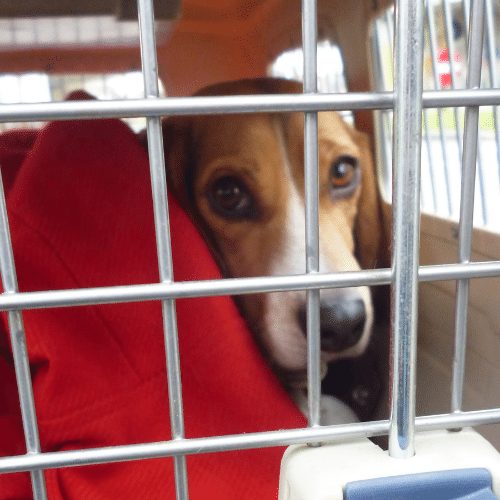
It’s essential to clear up misconceptions about crate training to make informed decisions for your dog’s well-being.
Czy mój pies potrzebuje klatki na zawsze?
Misconceptions About Crate Training
Clarifying Common Misconceptions and Fears
Crate training is often misunderstood. Here are some common myths debunked:
- Mit 1: “Crates are cruel and confining.” Fakt: When used correctly, crates provide a safe and comfortable space for dogs, similar to a den.
- Mit 2: “Crates should be used as punishment.” Fakt: Crates should never be used as punishment; they should be a positive and voluntary space.
- Mit 3: “Dogs should be crated all day.” Fakt: Excessive crating can lead to behavioral issues; dogs need regular exercise and social interaction.
Understanding these points can help alleviate fears and guide proper crate use.
Rozważania prawne i etyczne
International Perspectives on Crate Use Legislation
Crate use is regulated in various countries to ensure the ethical treatment of dogs:
- Legislation: Some countries have specific laws regarding the size of crates and the duration dogs can be crated.
- Ethical Treatment: Ethical guidelines encourage the use of crates for short periods and as a part of positive training methods.
Being aware of these considerations can help you ensure you’re complying with local regulations and treating your dog ethically.
Alternatywy dla treningu w klatce

While crates are beneficial, there are alternative methods for managing your dog’s environment.
Alternative Management Techniques
Exploring Tethering, Baby Gates, and Other Options
If crate training isn’t suitable, consider these alternatives:
- Tethering: Using a leash or tether can provide a dog with some freedom while still keeping them in a designated area.
- Baby Gates: These can be used to create a safe zone within your home, allowing your dog to move around without full access to the entire house.
- Kojce: Portable playpens offer a temporary or outdoor alternative to crates for containing and securing dogs.
Each of these methods has its advantages and can be tailored to your dog’s needs and your lifestyle.
When to Seek Professional Help
Identifying the Need for Behavioral Consultation
Knowing when to seek professional help is crucial for addressing behavioral issues effectively:
- Signs of Stress: If your dog shows signs of stress or anxiety related to crating or confinement, it may be time to consult a professional.
- Resistance to Training: If your dog is not responding to training methods or showing aggressive behaviors, a professional can provide guidance.
- Customized Solutions: Professionals can offer tailored solutions based on your dog’s specific needs and behaviors.
Seeking help early can prevent complications and ensure a positive experience for both you and your dog.
Making an Informed Decision

Being well-informed is key to deciding whether crate training is the right choice for your dog.
Weighing the Pros and Cons of Crate Use
Factors to Consider for Your Dog’s Wellbeing
Before deciding on crate use, consider the following:
- Plusy:
- Bezpieczeństwo: A crate can protect your dog from hazards and accidents.
- Training Aid: It can facilitate house training and establish a routine.
- Podróż: Provides a secure space for car rides and travel.
- Wady:
- Overuse: Prolonged confinement without proper exercise can lead to behavioral issues.
- Rozmiar: An incorrectly sized crate can cause discomfort and stress.
- Osobowość: Some dogs may never feel comfortable in a crate due to their temperament.
Personalizing Your Dog’s Training Plan
Customizing a Plan That Balances Safety and Freedom
Every dog is unique, and so should be their training plan:
- Ocena potrzeb: Evaluate your dog’s behavior, energy levels, and preferences.
- Set Goals: Define clear objectives for training, whether it’s for house training, travel, or safety.
- Dostosuj w razie potrzeby: Be flexible and willing to adjust the plan based on your dog’s progress and comfort level.
Additional Resources and Support

When embarking on crate training or seeking alternatives, additional resources can provide valuable guidance.
Educational Platforms and Reading Materials
Where to Find Reliable Information on Crate Training
To ensure you’re making the best decisions for your dog, consult:
- Platformy internetowe: Websites and forums dedicated to dog training and behavior.
- Books: Comprehensive guides on crate training and dog behavior.
- Professional Articles: Peer-reviewed studies and articles for evidence-based information.
Building a Support Network
Communities and Networks for Dog Owners
Connecting with others can offer support and shared experiences:
- Local Communities: Join local dog owner groups or clubs for in-person advice and camaraderie.
- Fora internetowe: Participate in online communities where you can ask questions and share experiences.
- Grupy mediów społecznościowych: Follow and engage with social media groups focused on dog training and care.
By leveraging these resources and building a network, you can gather a wealth of knowledge and support as you navigate the process of crate training or exploring alternatives.




 English
  Turkish
  German
  Dutch
Dutch  French
  Greek
Greek  Danish
  Finnish
  Swedish
  Italian
  Polish
  Portuguese
  Russian
  Spanish