

As temperatures drop, it’s crucial to ensure your dog is protected from the chill.
“How to Choose the Right Dog Jacket” provides a comprehensive guide to selecting the perfect jacket and creating a warm environment for your dog.
Ensure your pup stays cozy and comfortable with these expert tips and insights.
How to Choosing the Right Dog Jacket: Protecting Your Pup in Chilly Weather
As the mercury drops, it’s not just about bundling up yourself—it’s time to ensure your furry friend is also protected from the chill.
The right dog jacket can make all the difference in keeping your pup warm and comfortable during the colder months.
Ocena podatności psa na zimno
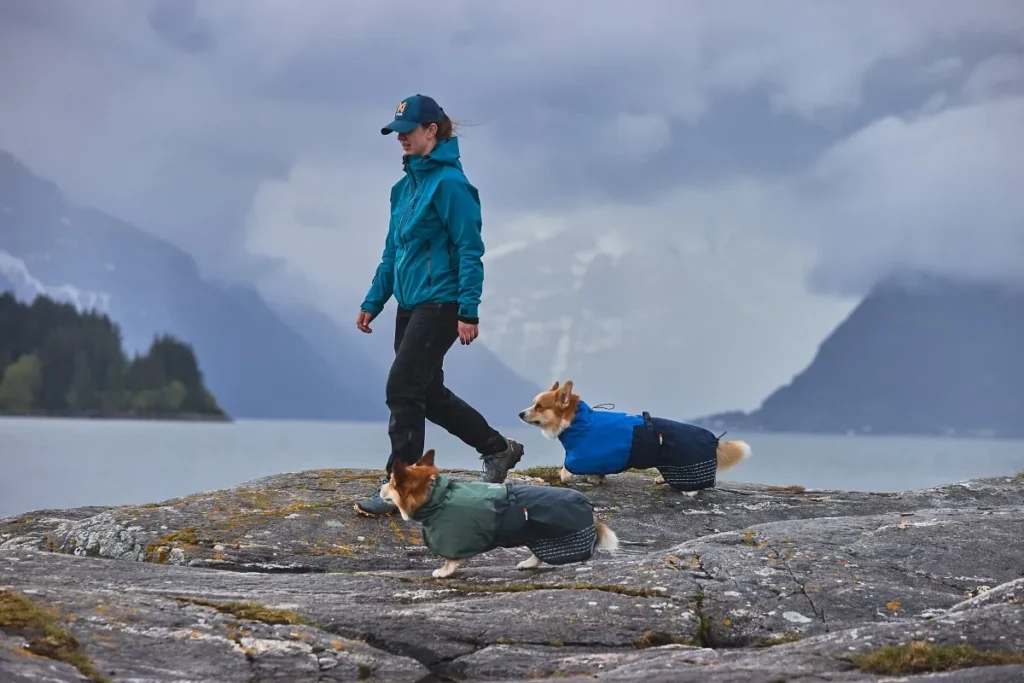
Identyfikacja potrzeb specyficznych dla rasy
Not all dogs are created equal, and certain breeds are more susceptible to the cold than others. Small dogs, senior dogs, and some breeds are especially vulnerable. These include Greyhounds, Whippets, and Chihuahuas.
They have short or thin coats. If your dog falls into one of these categories, a dog jacket is not just a fashion statement—it’s a necessity.
Rozpoznawanie oznak dyskomfortu w niskich temperaturach
Dogs, like humans, have their own ways of expressing discomfort. Shivering, seeking shelter, or reluctance to go outside are clear signs that your dog is feeling the chill.
Other indicators include tucking their tails between their legs or having cold, wet noses. Keep an eye out for these signs and take action to keep your pup warm.
Tworzenie idealnego wewnętrznego sanktuarium

Wybór izolowanych i ergonomicznych legowisk dla psów
A good night’s sleep is essential, especially in the cold season. Look for dog beds that are insulated with materials like memory foam or orthopedic support to provide both comfort and warmth.
Consider beds with removable, washable covers for easy cleaning and to keep the bed fresh and hygienic.
Wykorzystanie ogrzewaczy pomieszczeń i systemów kontroli temperatury
While it’s important to keep your home warm, be cautious with space heaters. Place them in a safe spot where your dog can’t knock them over or get too close. Alternatively, invest in a temperature control system.
It should keep a consistent warmth throughout your home. This will create a cozy environment for your dog.
Maksymalizacja właściwości izolacyjnych domu
Seal any drafts around windows and doors with weatherstripping to prevent cold air from entering. Use thermal curtains to insulate windows and consider using rugs or blankets to cover cold floors.
These simple steps can significantly improve the warmth of your home, making it a snug haven for your dog.
Outdoor Dog Bezpieczeństwo i komfort

When the weather outside is frightful, ensuring your outdoor dog is cozy is essential. Here’s how to make sure they’re safe and comfortable even when you’re not home.
Budowa lub wybór odpowiedniej izolowanej budy dla psa
A well-insulated dog house is more than just a place to rest; it’s a sanctuary against the elements. Look for a house with these features:
- Thick Insulation: Opt for a house with a minimum of 2-3 inches of insulation in the walls and roof.
- Raised Floor: This prevents cold from seeping up from the ground.
- Tight Fit: The door should fit snugly to keep out drafts.
- Wentylacja: Proper ventilation prevents moisture buildup, which can lead to mold and mildew.
Consider building one using plywood and insulation foam. Or, buy a pre-made dog house designed for comfort.
Ochrona przed wiatrem i wilgocią
The wind can cut through even the warmest of coats, and moisture can make a dog house feel like an icebox. To combat these:
- Position the House Wisely: Place the house in a sheltered area, such as against a wall or fence, to block wind.
- Use Windbreaks: Snow fences or windbreaks can provide additional protection.
- Keep it Dry: Regularly check for signs of moisture and ensure the house is kept dry.
Zapewnienie ciepłej i suchej przestrzeni dla psów przebywających na zewnątrz
Even with a top-notch dog house, there are additional steps you can take to ensure your dog’s comfort:
- Pościel: Use thick, insulating bedding like straw or cedar chips. Avoid using blankets as they can become damp and lose their insulating properties.
- Podgrzewane poduszki: Consider using a safe, outdoor-rated heated pad to provide a warm surface.
- Regularne kontrole: Regularly check the dog house for any damage and repair as needed to maintain insulation.
Rola odzieży w termoregulacji psów

While dogs have their own natural insulation, sometimes a little extra help is needed, especially for those with less fur.
Rodzaje Płaszcze dla psów and Their Insulating Properties
Different coats serve different purposes:
- Fleece Lining: Great for general warmth and comfort.
- Wodoodporny: Ideal for dogs that need to be outside in wet conditions.
- Odblaskowy: Useful for dogs that go out in low-light conditions, increasing visibility for safety.
Wybór odpowiedniego dopasowania dla maksymalnego ciepła
A coat that’s too tight can restrict movement, while one that’s too loose won’t provide the necessary insulation. When selecting a coat:
- Dokładne pomiary: Zmierz długość klatki piersiowej, szyi i grzbietu psa, aby zapewnić odpowiednie dopasowanie.
- Try Before You Buy: If possible, try the coat on your dog before purchasing to ensure it’s comfortable and doesn’t restrict movement.
Zaspokajanie potrzeb ras krótkowłosych i bezwłosych
Breeds like Whippets, Greyhounds, and Chinese Cresteds need extra protection from the cold:
- Layer Up: Consider multiple layers for these breeds, such as a base layer for moisture-wicking and an outer layer for insulation.
- Botki i osłony uszu: Protect paws and ears, which are prone to cold and dryness.
Monitorowanie stanu zdrowia i opieka weterynaryjna

How to Choosing the Right Dog Jacket?
Cold weather can take a toll on your dog’s health, so it’s essential to be vigilant and prepared.
Rozpoznawanie chorób związanych z ekspozycją na zimno
Cold weather can exacerbate existing conditions or lead to new ones. Watch for signs of:
- Hipotermia: Shivering, lethargy, and low body temperature.
- Odmrożenie: Red or grayish skin, especially on the ears, tail, and paws.
- Respiratory Issues: Coughing, wheezing, or trouble breathing may mean kennel cough or other infections.
If you notice any of these symptoms, it’s crucial to seek veterinary care promptly.
Przygotowanie do nagłych sytuacji weterynaryjnych
Emergencies can happen at any time, but they’re especially concerning in cold weather. To be prepared:
- Weterynaryjny zestaw ratunkowy: Include items like a first-aid manual, supplies for wound care, and a list of emergency contacts.
- Know Your Vet’s Hours: Ensure you know the hours of your local vet and any after-hours clinics.
- Mieć plan: Know how you’ll get your dog to the vet in bad weather, whether that’s having a pet carrier in your car or knowing a pet-friendly taxi service.
Regularne badania kontrolne i opieka profilaktyczna
Preventive care is key to keeping your dog healthy, especially in colder months.
- Schedule Regular Vet Visits: Regular check-ups can help catch any issues early.
- Update Vaccinations: Make sure your dog’s vaccinations are current. Focus on those that protect against illnesses more common in colder weather.
- Parasite Prevention: Continue year-round flea, tick, and heartworm prevention. These parasites can still be active in colder months.
Zaawansowane techniki izolacji

On extra-chilly days, or for dogs with special needs, use these advanced insulation techniques.
Korzystanie z koców odblaskowych i materiałów izolacyjnych
Reflective blankets can help retain your dog’s body heat, making them a great addition to their bed or crate.
- Reflective Blankets: These blankets reflect your dog’s body heat, providing extra warmth.
- Insulating Materials: Foam or rubber underlays can insulate under your dog’s bedding.
Tworzenie rozwiązań izolacyjnych DIY dla legowisk dla psów
If you’re handy, consider creating your own insulation solutions for your dog’s bed.
- Izolowane osłony: Make or buy a cover for your dog’s bed that’s insulated with materials like fleece or Thinsulate.
- Podgrzewane poduszki: Consider installing a safe, outdoor-rated heated pad under your dog’s bedding for an extra layer of warmth.
Wykorzystanie mocy ciepła ciała wielu zwierząt domowych
If you have multiple pets, they can help keep each other warm.
- Wspólna pościel: Let your dogs sleep together if they’re comfortable with it. Body heat from multiple pets can significantly increase the warmth of their bed.
- Zagnieżdżanie grupowe: Provide large, comfortable beds or crates where multiple pets can snuggle together.
Dostosowanie zachowania do niskich temperatur

Dogs, like humans, can experience changes in behavior and routine during the colder months. Understanding and supporting these changes can help maintain your dog’s well-being.
Zrozumienie zmian w rutynie i zachowaniu psa
In cold weather, you might notice:
- Less Activity: Dogs may be less inclined to go outside for walks or play due to the cold.
- Zwiększona ilość snu: Your dog might sleep more as a way to conserve energy.
- Zmiany apetytu: Some dogs eat more in cold weather to generate extra body heat.
Adjust your expectations and routines accordingly, and always be on the lookout for signs of discomfort or illness.
Zachęcanie do naturalnych zachowań lęgowych
Dogs have a natural instinct to nest, which can be especially pronounced in cold weather.
- Provide Comfortable Bedding: Offer plenty of blankets and cushions for your dog to burrow into.
- Create Cozy Spaces: Use pet tents or create a cozy corner with blankets draped over the sides of a crate or playpen.
By supporting these nesting behaviors, you can help your dog feel more secure and warm.
Przeciwdziałanie sezonowym zaburzeniom afektywnym u psów
Just like people, dogs can experience seasonal affective disorders, which can lead to changes in mood and energy levels.
- Increase Indoor Stimulation: Use toys, puzzles, and games to keep your dog mentally stimulated.
- Maintain Social Interaction: Regular dog playdates can help reduce loneliness and lethargy.
- Skonsultuj się z weterynarzem: If you notice significant changes in your dog’s behavior, consult your vet. They may suggest treatments or adjustments to help manage these disorders.
Conclusion: A Warm Night’s Sleep dla psa

As we finish our guide on keeping your dog warm in cold weather, let’s recap the key strategies to help your pup.
Kluczowe strategie na noc bez dzieci
- Appropriate Clothing: Your dog needs a warm, well-fitting jacket. It should protect against the elements.
- Indoor Comfort: Use the right bedding and temperature control. This will create a warm, insulated indoor space.
- Bezpieczeństwo na zewnątrz: If your dog spends time outside, provide a well-insulated dog house and protect against wind and moisture.
- Health Monitoring: Watch for signs of cold-related illnesses in your dog.
The Impact of a Warm Environment on Your Dog’s Well-being
A warm and comfortable environment can significantly impact your dog’s well-being. It can:
- Improve Sleep Quality: A warm bed can help your dog get the rest they need.
- Boost Mood: Comfortable conditions can lead to a happier, more content dog.
- Support Health: By preventing cold-related illnesses, you’re supporting your dog’s overall health.
Ustanowienie całorocznego planu dla komfortu psów
Finally, consider establishing a year-round plan for your dog’s comfort:
- Sezonowe badania kontrolne: Regular vet visits can help catch any potential issues early.
- Dostosuj w razie potrzeby: Be ready to adjust your dog’s environment and care as the seasons change.
- Gotowość na sytuacje awaryjne: Always have a plan for emergencies, especially during extreme weather conditions.
By following these strategies, you can ensure your dog enjoys a warm night’s sleep and stays comfortable throughout the year. After all, a happy dog is a warm dog!

 English
  Turkish
  German
  Dutch
Dutch  French
  Greek
Greek  Danish
  Finnish
  Swedish
  Italian
  Polish
  Portuguese
  Russian
  Spanish