
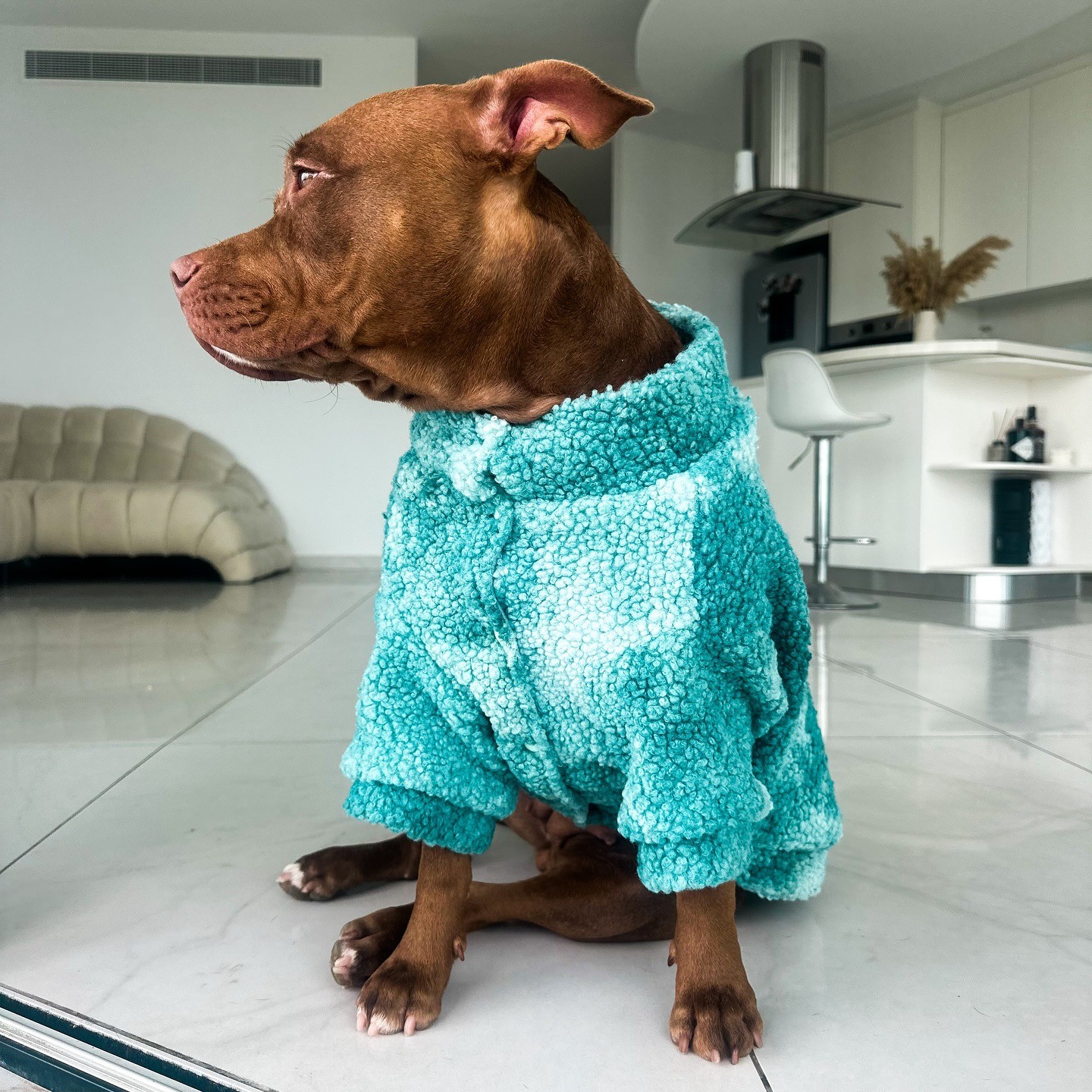
A top large dog clothes supplier manufactures apparel specifically engineered for deep-chested breeds weighing over 50 lbs.
They use reinforced stitching, abrasion-resistant fabrics like 600D Oxford cloth, and guarantee compliance with REACH and CA Prop 65 safety standards to ensure long-lasting, non-toxic pet wear.
Pet retailers and distributors face a massive problem every winter season. Finding reliable apparel for large breeds like Golden Retrievers, German Shepherds, and Mastiffs is incredibly tough. Most factories simply take a pattern for a Chihuahua and scale it up.
This creates a terrible fit. It chokes the dog’s deep chest and restricts their broad shoulders. Big dogs also play hard. Cheap fabrics tear instantly under the sheer pulling force of an 80-pound animal. Retailers end up dealing with high return rates, unhappy pet owners, and shrinking profit margins.
Working with a specialized large dog clothes manufacturer solves these exact issues. We know that standard grading formulas do not work for giant breeds. We partner with factories that use breed-specific sizing charts and heavy-duty materials.
We can help you identify top-tier suppliers for big dogs. Let us show you how our manufacturing expertise can help you secure premium, well-fitted, and cost-effective apparel.
What Makes Sourcing from Large Dog Clothes Suppliers Different from Small Breed Apparel?
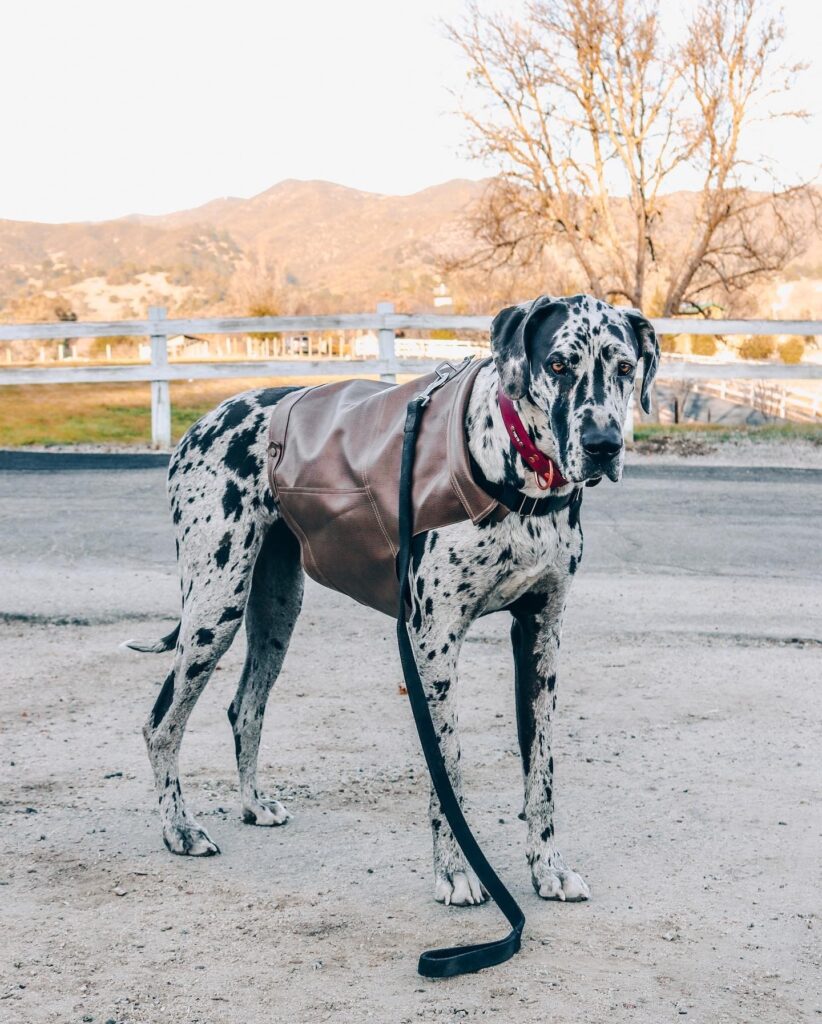
Sourcing clothes for a Mastiff is completely different from buying for a Pug. Many factories make a huge mistake. They just take a small dog pattern and make it bigger. This always fails.
Here is how we approach the unique challenges of large breed apparel:
- Why Do Standard Dog Clothes Fail on Large Breeds? A large breed has a massive chest-to-waist ratio. A scaled-up small pattern chokes the dog’s chest and hangs loose on the stomach. We only work with pattern makers who draft specific deep-chest blocks. We also ensure the necklines feature double-layered, 300gsm ribbed cotton. This prevents the collar from stretching out and sagging after just one walk.
Деловое исследование: We recently helped a UK-based pet brand redesign their Greyhound and Doberman зимние пальто. By introducing our custom deep-chest block and a contoured tuck-up, we helped them drop their customer return rate from 18% to under 2% in just one season.
- Heavy-Duty Manufacturing Requirements: Big dogs play rough. A regular factory uses standard 40s/2 polyester thread. That thin thread snaps instantly under the tension of a 90-pound dog pulling. Unlike standard facilities, our production lines are equipped with heavy-duty walking foot sewing machines. These machines easily punch through tough fabrics like 600D Oxford cloth. We specify bonded nylon thread (Tex 70 or higher). We also demand 8 to 10 Stitches Per Inch (SPI) and bar-tack reinforcements at the leash hole and armpits. Budget suppliers use a weak 4 to 5 SPI. That leads to ripped seams within a week.
Деловое исследование: When a working-dog gear brand came to us with durability issues, we helped them upgrade to Tex 70 bonded nylon and 10 SPI. The result? Their tactical coats survived a 150-lb pull test without a single popped seam, allowing them to confidently offer a lifetime warranty to their customers.
- How Can You Reduce Ocean Freight Costs for Bulky Dog Coats? Size completely changes the logistics math. Large dog coats take up a lot of space. A standard export carton holds 100 small dog sweaters. That same carton might only hold 20 extra-large ones. This drastically increases your Cubic Meter (CBM) volume. Higher CBM means higher ocean freight costs per unit. We calculate these container loads carefully for our clients. We utilize vacuum sealing techniques for puffy winter coats before packing. This reduces the CBM by up to 40% and keeps your landed costs low.
At a Glance: Standard Factories vs. Our Large Breed Manufacturing Standards
To make it clear why standard grading fails, here is a direct comparison of how typical factories operate versus our specialized large-breed production lines:
| Key Manufacturing Metrics | Standard Pet Clothing Factories | Our Specialized Large Breed Standards |
| Pattern Design | Simply scales up small dog patterns | Custom deep-chest & broad-shoulder blocks |
| Thread Quality | Standard 40s/2 polyester thread | Heavy-duty bonded nylon thread (Tex 70+) |
| Stitching Density | Weak 4 to 5 Stitches Per Inch (SPI) | 8 to 10 SPI with bar-tack reinforcements |
| Оборудование | Cheap zinc alloy (breaks easily) | Welded stainless steel D-rings (150lbs+ pull strength) |
Factory Insider Truth: The Hidden “Filler” Trick
Many factories try to save money on large winter dog coats because they require so much material. A common trick is using uncertified, shredded textile waste as stuffing instead of virgin polyfill. This cheap stuffing clumps into hard balls after one wash.
Worse, it often contains toxic dyes that fail REACH Annex XVII testing. We always slice open pre-production samples. We check the fill weight and send the padding to a third-party lab like SGS. We do this to verify the material is 100% safe, washable, and compliant with international standards.
How to Choose Reliable Large Dog Clothes Suppliers for Your B2B Business?
Finding a true manufacturing partner requires looking past glossy Alibaba pictures. We evaluate factories based on their actual floor operations, strict quality control limits, and their willingness to guarantee their work.
Here is how we can help your brand separate the experts from the amateurs and secure a reliable supply chain:
- Evaluating Factory Capabilities: We audit the factory floor before placing any orders. We check their pattern library first. A capable supplier holds specific templates for deep-chested breeds like Great Danes. We also review their Quality Control (QC) process. Budget factories skip in-line inspections to save time. We enforce a strict AQL 2.5 (Acceptable Quality Limit) standard. This means inspectors check the garments during sewing, not just at the end.
- How Do We Test Large Dog Apparel Prototypes Before Bulk Production: Paper patterns lie. We never approve a bulk order based on a flat sample on a table. We request physical prototypes in the largest sizes. We put these samples on real 80-pound dogs. We watch the dogs run, jump, and sit. We check for chafing under the front legs. If the coat restricts shoulder movement, we force the factory to adjust the armhole grading.
- Assessing MOQs and Lead Times: Large dog clothes consume a lot of fabric. Because of this, factories often demand high Minimum Order Quantities (MOQs), sometimes up to 1,000 pieces per color. We negotiate staggered MOQs. We secure 300 pieces per color to test the market first. We also lock in strict lead times. Heavy winter coats take 45 to 60 days to produce. We write penalty clauses into the contract for late shipments. This keeps the factory on schedule for your winter launch.
- After-Sales Support and Defect Policies: Factories make mistakes. Bad suppliers stop answering emails when you report a ripped seam. We establish clear defect policies before we pay the 30% deposit. If a batch fails our third-party inspection, the factory reworks it at its own cost. We secure a credit agreement for any defective units found after delivery. We exclusively use SBS or YKK zippers to keep zipper failures below 1%.
Factory Insider Truth: The Peeling Raincoat Scam
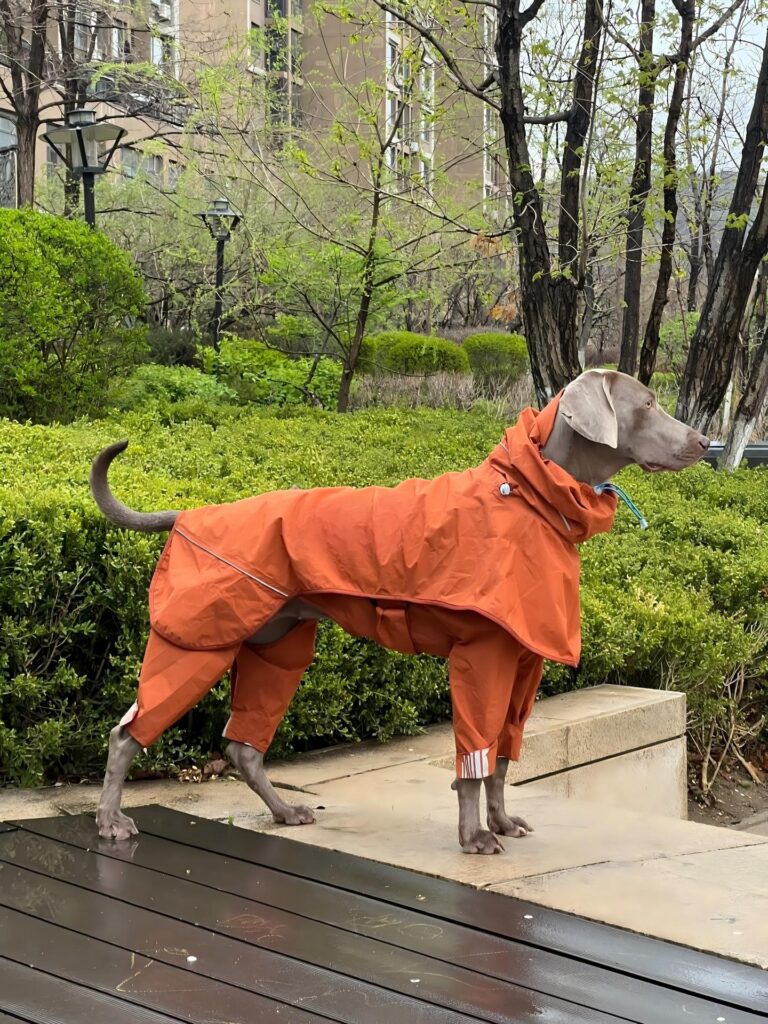
Many suppliers claim their large dog raincoats are completely waterproof. They usually apply a cheap, single-layer Polyurethane (PU) coating to the nylon. This thin layer cracks and peels off after just two weeks in cold weather.
We avoid this completely. We specify a double-layer TPU (Thermoplastic Polyurethane) membrane. We then require the factory to pass a freeze-thaw chamber test. This guarantees the coat stays waterproof and flexible, even in freezing snow.
Can Large Dog Clothes Suppliers Provide Durable Materials for Active Breeds?
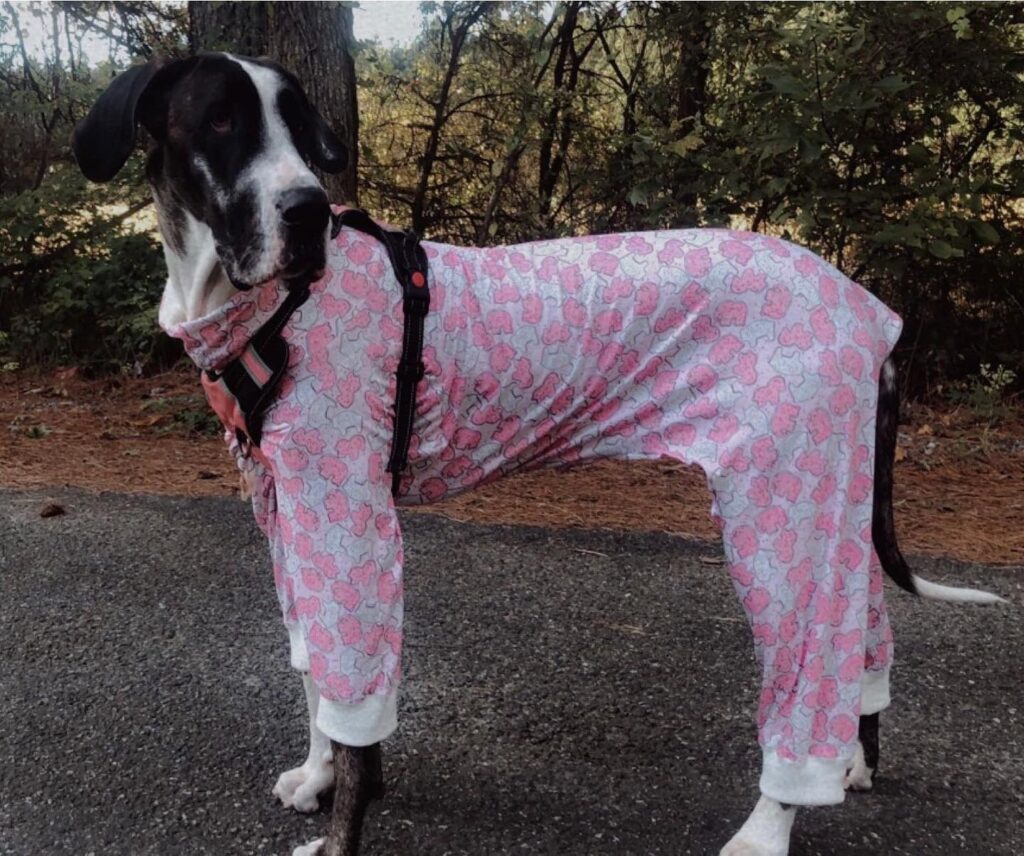
Big dogs destroy weak fabrics in days. We source specific textiles and hardware built for heavy impact. We do not accept standard materials for large breeds.
Here is how мы можем вам помочь build and customize apparel that survives active, heavy dogs:
- High-Performance Fabrics: We select textiles based on tear strength and weather resistance. For winter coats, we use 420D Ripstop Nylon. The woven grid pattern stops small punctures from spreading into large holes. For summer cooling vests, we specify 250gsm 3D spacer mesh to allow maximum airflow. For плащи, we reject basic water-repellent sprays. We apply a 3000mm hydrostatic head waterproof coating. This keeps a thick-coated breed completely dry during heavy downpours.
- Reinforced Hardware and Stitching: Hardware fails first on cheap pet clothes. A 100-pound dog pulling on a leash creates a massive force. We require factories to use welded stainless steel D-rings. Cheap cast alloy rings snap under sudden pressure. We exclusively specify YKK Vislon #5 zippers because they resist mud and ice buildup. We also mandate double-needle chain stitching on all load-bearing seams. We sew a strip of heavy nylon webbing directly under the D-ring. This distributes the pulling weight safely across the dog’s back.
- Ensuring Consistency in Mass Production: Dyeing 5,000 yards of fabric often leads to color variations. A red coat in the first box might look orange in the last box. We control this strictly. We require the dye house to use a spectrophotometer to match your exact Pantone shade. We set a strict Delta E color tolerance of less than 1.5. We pull fabric swatches from every single dye lot. We test them for colorfastness to washing and rubbing under ISO 105 standards. This ensures every single unit on your retail shelf looks identical.
Factory Insider Truth: The Toxic Hardware Trap
Many factories cut costs by using cheap zinc alloy for D-rings and snap buttons. These cheap metals often contain high levels of lead and nickel. This causes severe skin allergies in the dog. It also causes your entire shipment to fail CA Prop 65 and REACH Annex XVII customs inspections.
We avoid this massive risk. We always specify nickel-free, electroplated brass or solid stainless steel. We send random production samples to SGS to test for heavy metals. This protects your brand reputation and prevents expensive product recalls.
Custom Manufacturing (OEM) vs. Wholesale Stock: Which is Better for Your Pet Brand?
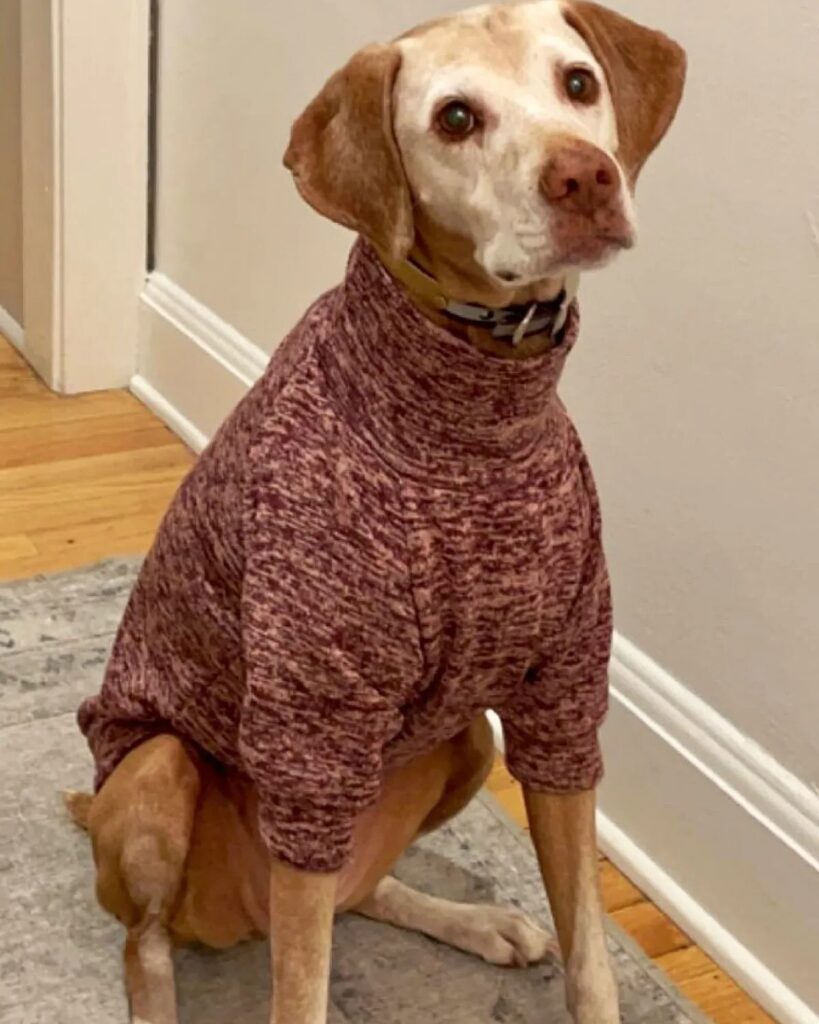
Choosing between OEM and wholesale depends entirely on your cash flow and timeline. Wholesale stock ships in 7 days with a low 50-piece Minimum Order Quantity (MOQ). Custom OEM requires a 500-piece MOQ and 60 days, but gives us complete control over deep-chest sizing and proprietary fabrics.
Quick Comparison: Wholesale Stock vs. Custom OEM/ODM
Choosing the right model depends on your current business needs. Here is a breakdown of what to expect:
| Sourcing Model | MOQ (per colore) | Average Lead Time | Уровень настройки | Best Strategy For |
| Wholesale Stock | 50 – 100 pieces | 7 – 10 Days | Low (Basic tags/logos only) | Testing new markets quickly, fast cash flow |
| Custom OEM/ODM | 300 – 500 pieces | 45 – 60 Days | High (Custom fabrics, sizing, hardware) | Building brand identity, specific breed targeting |
Here is how we decide which sourcing model fits your business strategy:
- Wholesale Stock (In-Stock Items): We use wholesale stock to test new retail markets quickly. Factories keep pre-made designs in their warehouse. We buy these items in small batches of 50 to 100 pieces per color. The factory ships the order in under 7 days. This ties up very little capital. However, we accept their standard sizing. We cannot change the fabric from basic 210D polyester to heavy-duty nylon.
- Custom Manufacturing (OEM/ODM): We switch to OEM manufacturing when a brand needs perfect fits for specific breeds like Greyhounds or Mastiffs. We draft custom tech packs. We specify exact chest girth measurements and proprietary 600D Cordura fabrics. We add unique features like hidden harness holes with waterproof YKK AquaGuard zippers. This builds a unique brand identity that competitors cannot copy.
Деловое исследование: A North American client was struggling with generic sizing and aggressive price wars. We helped them launch a breed-specific “Mastiff Fit” line using proprietary 600D Cordura. Within six months, they expanded into 40 boutique retail stores because they finally offered a premium solution no one else had.
- Understanding Tiered Bulk Pricing: Factories do not offer flat rates. We negotiate tiered pricing structures to maximize your Return on Investment (ROI). A custom winter coat might cost $12.50 at a 300-piece MOQ. If we scale the order to 1,500 pieces, the factory buys fabric in bulk directly from the mill. They also reduce the machine setup cost per unit. This drops the unit price to $8.20. We calculate these volume breaks carefully to hit your target retail margin of 60%.
Factory Insider Truth: The “Dead Stock” Wholesale Trap
Many factories offer incredibly cheap wholesale stock items. They often make these clothes using “dead stock” or leftover fabric scraps from other orders. These scraps sit in damp warehouses for years. The waterproof coating degrades and smells like sour milk.
The colors also bleed instantly in the wash. We avoid dead stock completely. We demand a fresh production date certificate even for wholesale items. We also perform a quick AATCC 8 crocking test. We rub the fabric with a wet white cloth to ensure the cheap dye does not transfer onto the dog’s fur.
Are Custom-Branded Large Dog Clothes Worth the Investment for Retailers?
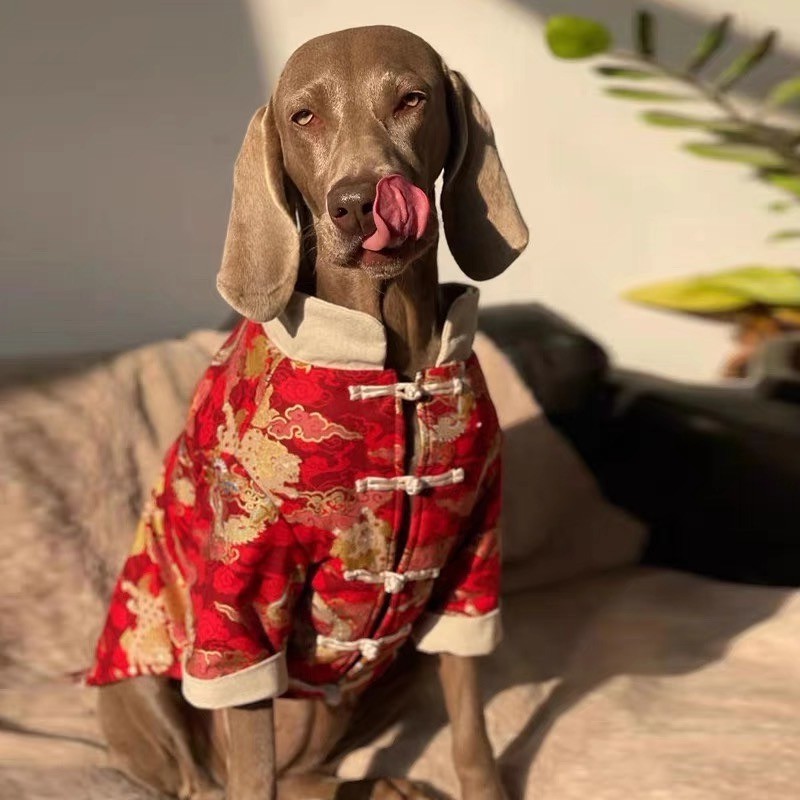
Yes, custom-branded large dog clothes yield a 60% to 80% retail profit margin. We avoid generic wholesale items that trigger aggressive price wars. We apply private labels, custom TPR rubber logos, and breed-specific sizing blocks. This strategy transforms a basic $15 coat into a $65 specialized performance garment.
Here is how we use custom branding to dominate the pet apparel market:
- Building Brand Loyalty: We build immense brand loyalty through strict private labeling. Generic paper tags look cheap and tear easily. We use sonic-welded TPR (Thermoplastic Rubber) logos and high-density woven damask neck labels. We also print washing instructions directly onto the inner lining using OEKO-TEX Standard 100 certified inks. This stops itchy tags from irritating the dog’s skin. Pet owners trust brands that care about these small details. They return to buy your specific brand every winter.
- Commanding Higher Retail Margins: A standard small dog sweater sells for $15. A custom-engineered coat for a 110-pound Rottweiler easily commands $75 or more. We justify this premium price through technical construction. We specify 500D Cordura nylon exteriors and integrate 3M Scotchlite reflective piping for night safety. When we build a coat that actually fits a deep chest without tearing, owners gladly pay top dollar. This drastically increases your profit per square foot of retail space.
- Standing Out in a Crowded Market: The market floods pet stores with tiny Chihuahua dresses. We help you capture the highly underserved large breed sector. We design specialized lines featuring heavy-duty Duraflex buckles and reinforced girth straps. We test these straps on a dynamometer to withstand 150 lbs of sudden pulling force. When your catalog offers genuine solutions for Mastiffs and Great Danes, you instantly stand out. Competitors selling scaled-up, weak small-dog clothes simply cannot compete with our purpose-built gear.
Factory Insider Truth: The Fake Reflective Tape Hazard
Many factories charge a premium for “reflective” branding or safety piping. They almost always use unbranded, cheap glass-bead tape to increase their own margins. This cheap tape completely loses its reflective coating after just two trips through a washing machine.
Worse, the adhesive backing often contains restricted phthalates that fail REACH compliance. We never accept generic reflective materials. We exclusively specify 3M Scotchlite reflective heat-transfer vinyl. We wash test the branded pre-production samples 20 times at 40°C (104°F). We do this to guarantee your logo stays highly visible and strictly compliant with international chemical safety laws.
How Can B2B Buyers Optimize Shipping Costs for Bulky Large Dog Apparel?
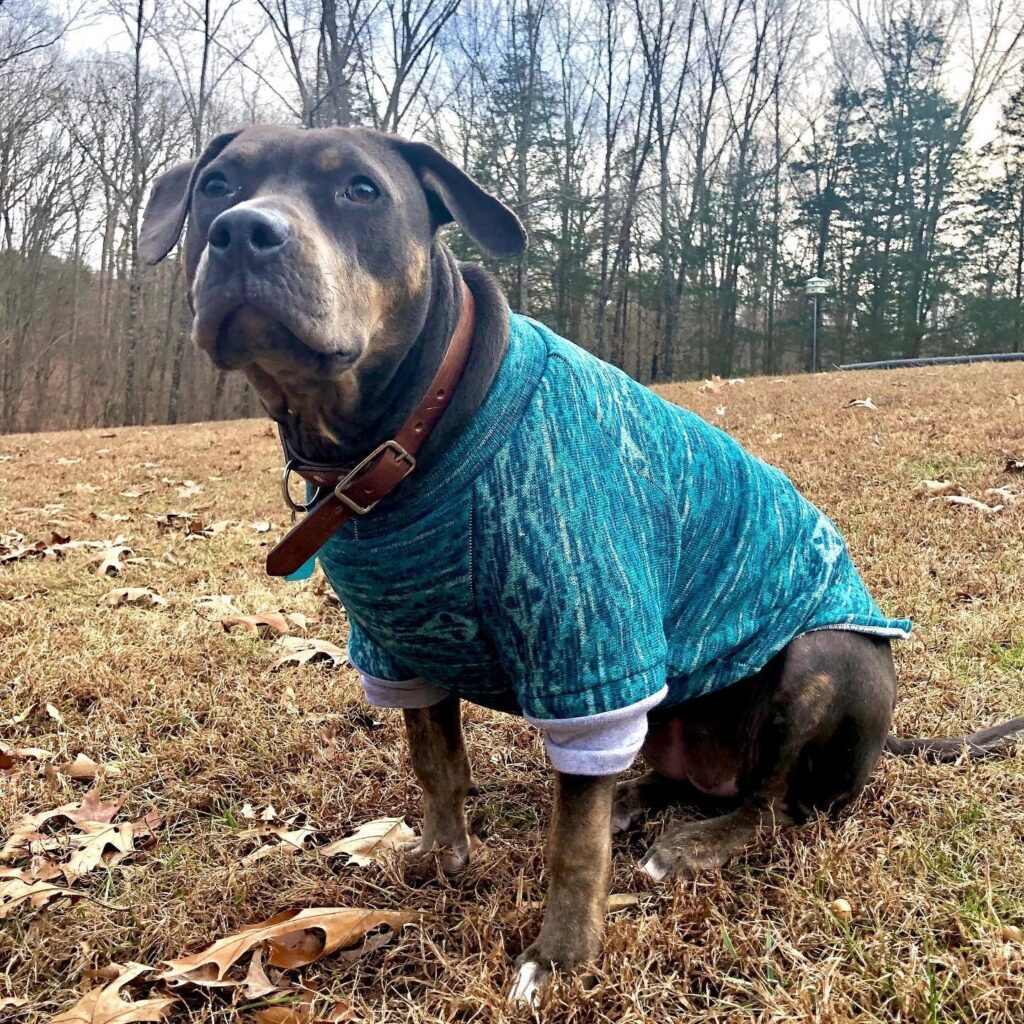
How do we optimize shipping for bulky dog clothes? We compress heavy winter coats using industrial vacuum sealing to cut cubic volume by 40%. We also calculate precise sea freight schedules and apply the exact 4201.00 HS code. This strategy slashes shipping costs and prevents expensive customs holds.
Here is how мы можем вам помочь manage complex logistics to protect and maximize your profit margins:
- Vacuum Packaging Solutions: Large dog coats take up massive space in a shipping container. Shipping empty air costs money. We require factories to use 0.08 mm-thick PE vacuum bags for all padded winter jackets. The factory extracts the air and heat-seals the bag. This reduces the carton size drastically. We fit 50 compressed coats into a standard 60x50x40cm carton instead of just 20. This lowers the landed cost per unit by up to $1.50.
Case Study: During the peak shipping season, we helped a German distributor compress an order of 10,000 winter puffer coats. This vacuum strategy reduced their required container space by 40%, saving them over $3,200 in ocean freight costs на одну партию.
- Sea Freight vs. Air Freight: Timing dictates the freight method. Air freight costs around $6 to $8 per kilogram. We only use air freight for urgent, mid-season restocks of top-selling items. For the main winter launch, we book Full Container Load (FCL) sea freight 90 days in advance. Sea freight reduces shipping costs to just pennies per unit. We plan the production schedule backward from the vessel departure date to ensure on-time delivery.
- Navigating Tariffs: Customs delays ruin retail launches. Incorrect paperwork causes these delays. Many amateur suppliers use generic human clothing HS codes on their export documents. Customs agents flag these shipments immediately and issue heavy fines. We ensure the factory prints the correct pet accessory HS code (like 4201.00.0000 for saddlery and animal apparel) on the commercial invoice. This specific code often carries a lower import duty than human apparel. It keeps the shipment moving smoothly through the port.
Factory Insider Truth: The Permanent Crease Disaster
Factories love vacuum sealing because it saves space. However, they often compress coats with cheap PU-leather trims or reflective PVC piping. The extreme pressure creates permanent cracks in these stiff materials. The coats arrive completely ruined. We prevent this disaster.
We instruct the factory to only vacuum-seal pure textile garments like nylon puffers. For mixed-material coats, we use standard flat packing. We also mandate a 24-hour decompression test on the first production sample. We open the vacuum bag to ensure the polyfill regains 100% of its original loft before we approve the final packing method.
What Are the Top Trending Styles in Large Dog Apparel Right Now?
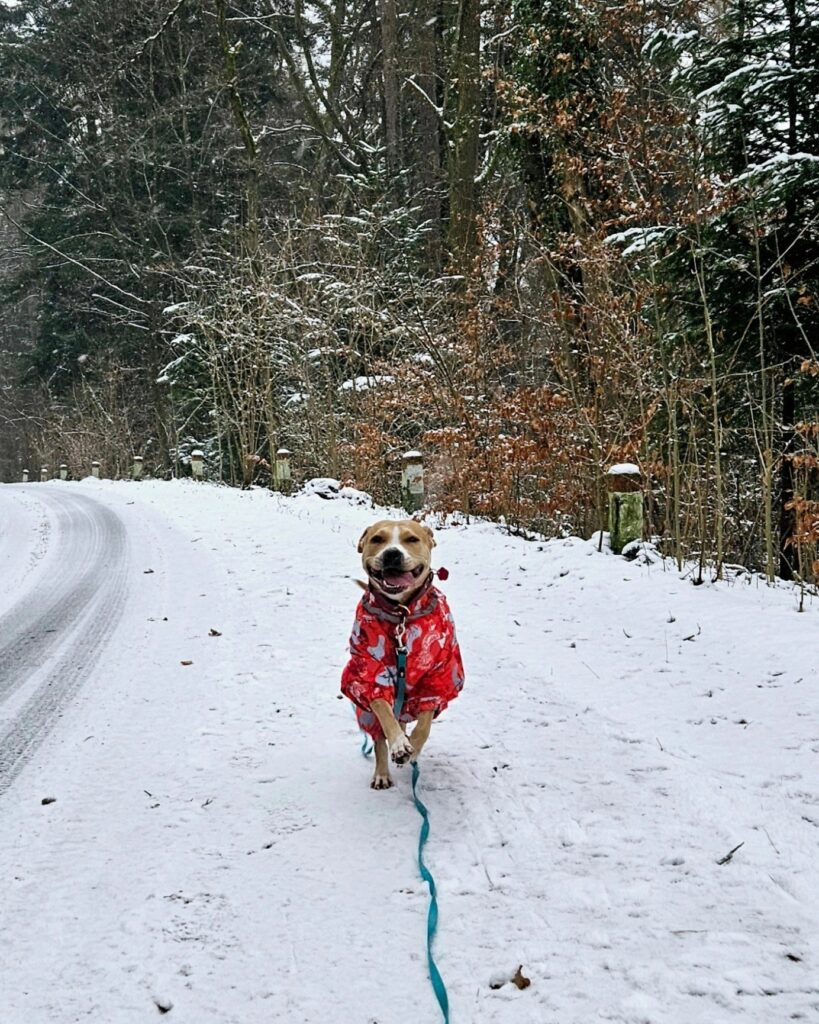
In 2026, large dog apparel has moved far beyond basic novelty items. Pet owners now demand high-performance gear, sustainable materials, and lifestyle integration that matches their own wardrobes.
Here is what is currently driving massive retail volume in the B2B large breed market:
- Functional Outerwear: Big dogs need real protection, not just fashion. There is a massive demand for heavy-duty waterproof raincoats and high-visibility winter jackets equipped with 3M reflective taping for dark morning walks. Additionally, anxiety-reducing compression vests are a top-selling category. These vests apply gentle, constant pressure to calm large, reactive dogs during thunderstorms or fireworks, requiring highly specialized four-way stretch fabrics.
- Matching Human-and-Pet Sets: The “dog parent” aesthetic is booming. Retailers are seeing huge returns on matching heavyweight cotton hoodies, raincoats, and flannel shirts. Sourcing this requires a unique manufacturing partner. We specifically seek out factories capable of handling both human apparel standards and pet grading simultaneously. This ensures the fabrics, dye lots, and hardware match perfectly across completely different garment types.
- Экологически чистые варианты: International markets, especially in Europe and North America, are heavily favoring sustainable brands. We are seeing a huge spike in B2B demand for pet clothes made from rPET (recycled polyethylene terephthalate) sourced from ocean plastic, as well as organic, sustainable cotton. Brands that offer these eco-friendly alternatives easily capture a premium market share.
Factory Insider Truth: The Fake “Green” Certification
Many factories claim their fabrics are “100% recycled” so they can charge you a premium wholesale price. In reality, they often just mix 10% recycled yarn with 90% cheap virgin polyester. We never take their word for it.
We demand valid Global Recycled Standard (GRS) transaction certificates for every single batch of fabric they purchase from the mill. This legally proves the material is genuinely sustainable, allows you to market the product honestly, and protects your brand from devastating greenwashing lawsuits.
Conclusion: Partnering with a True Large Breed Manufacturer
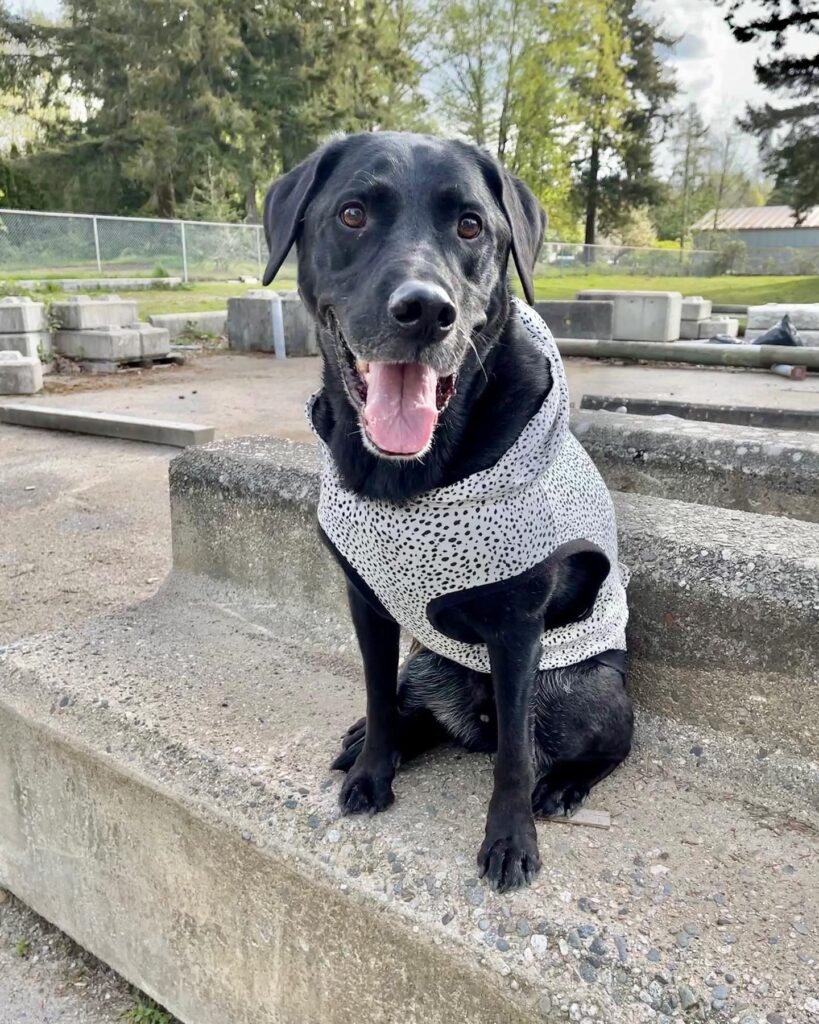
Finding the right large dog clothes supplier is about much more than just scaling up a small dog pattern. It requires partnering with a manufacturer who truly understands the biomechanics of large breeds and controls the production process from raw material to final vacuum packing.
As a leading, BSCI-audited and ISO 9001-certified pet products manufacturer in China, we don’t just source—we build. We specialize in heavy-duty, high-performance gear engineered specifically for big dogs. By prioritizing specialized deep-chest sizing, demanding highly durable 600D fabrics, and utilizing smart logistics like vacuum compression, we help B2B buyers build highly profitable and respected pet brands.
Ready to upgrade your pet apparel catalog for the 2026/2027 winter season?
Stop dealing with high return rates and ripped seams. Partner with a factory that guarantees its quality.
📩 Contact us today to receive:
- Our latest 2026 Large Breed Apparel Catalog (with tiered wholesale pricing).
- A free copy of our “Heavy-Duty Pull Test Report” for our D-ring harness coats.
- Complimentary fabric swatches (including our 600D Oxford and TPU waterproof membranes) sent directly to your office.
Send us an inquiry now, and let’s build apparel that your customers—and their big dogs—will love.

 English
  Turkish
  German
  Dutch
Dutch  French
  Greek
Greek  Danish
  Finnish
  Swedish
  Italian
  Polish
  Portuguese
  Russian
  Spanish