

Every leap of joy, every frantic run, every gentle paw placed on your lap—it all begins with their humble yet vital paw pads. They are the starting point for every adventure, the bridge connecting them to the world.
Yet, these silent workhorses are often overlooked. When they become dry, cracked, or injured, it affects not just their ability to walk but also their overall quality of life and happiness.
This guide will take you deep into the world of canine paws, teaching you to read their health signals like an expert and providing a complete care regimen to ensure every step your dog takes is a healthy and comfortable one.
Causes of Dog Nail Bed Infections
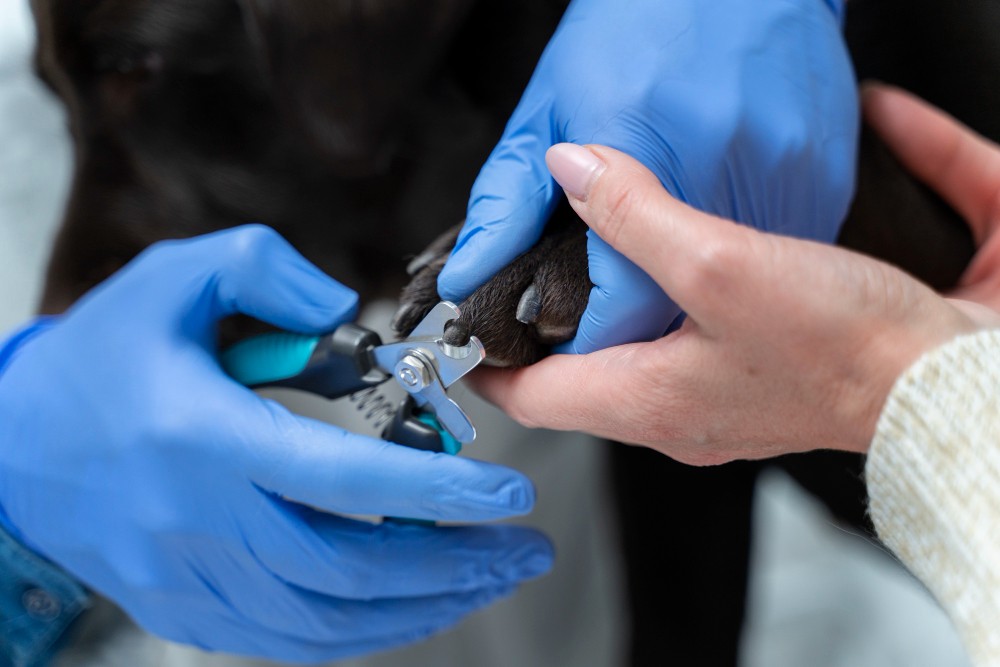
Learning to “Read” the Paws — Problem Identification & Cause Analysis)
Before you can act, you must first become a qualified “paw detective.” Different symptoms point to different problems.
- 1. Dry, Cracked, Sandpaper-Like Paws
- Symptoms: The paw pads lose their suppleness, showing fine lines or cracks. They feel rough to the touch and, in severe cases, may peel or split.
- Common Causes: Environmental factors (like hot asphalt in summer or chemical de-icers in winter), nutritional deficiencies, breed predispositions, or natural aging.
- 2. Excessive Wear, Blisters, or Burns
- Symptoms: Localized redness and swelling on the pads, a blister may form, or the outer layer of skin may peel off. The dog will likely lick the area excessively and be reluctant to walk.
- Common Causes: Walking on hot surfaces (Remember the “Five-Second Rule”: Place the back of your hand on the pavement. If you can’t hold it there for five seconds, it’s too hot for your dog!) or intense exercise on abrasive terrain.
- 3. Cuts, Punctures, and Foreign Objects
- Symptoms: A visible wound, bleeding, or limping. The dog will frequently lick the injured spot. A close inspection might reveal embedded glass shards, small stones, or plant thorns.
- Common Causes: Stepping on sharp objects during outdoor activities.
- 4. Redness, Itching, and Odor Between the Toes
- Symptoms: The skin between the paws and toes is red, moist, and may have an unusual odor or discharge. The dog will be seen chewing or licking its toes frequently.
- Common Causes: Allergic reactions (to food, pollen, etc.) or a fungal/yeast infection caused by moisture.
Infections begin when germs get into the sensitive tissue under the nail. Bacteria and fungi are the most common infectious agents. Parasites can also cause these problems. These germs usually enter the nail bed through a small cut, crack, or scrape.
Trauma and injury are leading causes of nail bed infections. Any physical damage to the nail or paw creates an entry point for bacteria.
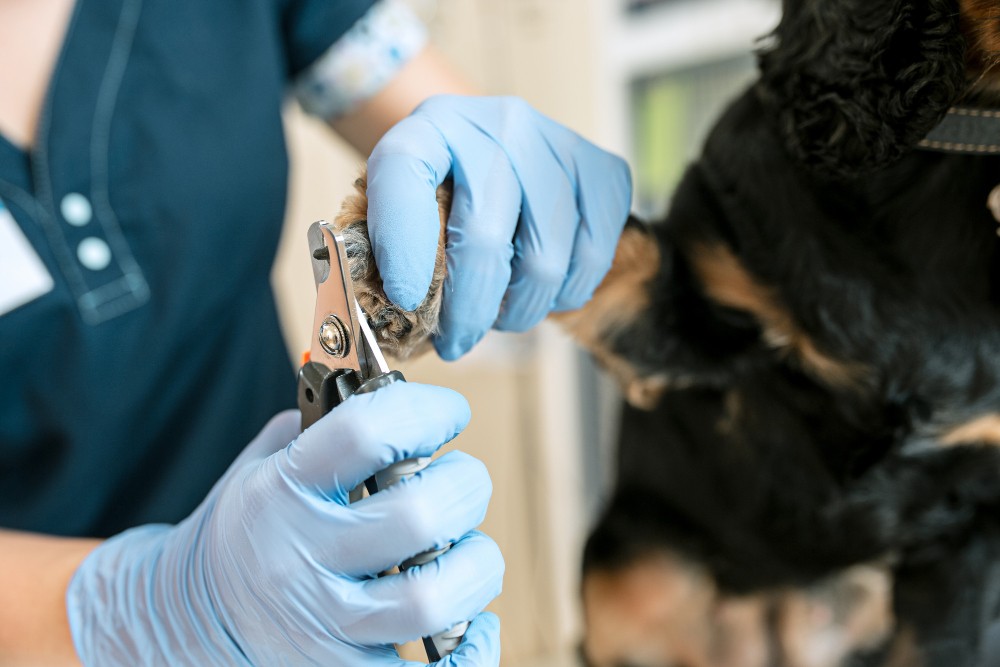
A dog can break a nail during rough play, or a nail can splinter on a hard surface. However, improper nail trimming is one of the most frequent and preventable causes. Essential accessories like styptic powder are also a must-have for any pet owner’s first-aid kit.
The dog’s environment presents many risks. Thorns, glass, or sharp rocks can get stuck in the paw. Extreme temperatures also cause damage. Hot pavement can burn paw pads, while ice and snow can lead to frostbite and cracks. Sometimes, the problem is internal.
Underlying medical conditions often weaken a dog’s nails and immune system, making infections more likely. These issues include allergies, autoimmune diseases, and endocrine disorders.
A lack of key nutrients directly points to the need for supplements. Finally, several other factors can contribute to infections.
A weakened immune system, constant licking of the paws, and chronic wetness all create a favorable environment for bacteria. Poor hygiene is a key factor you can address directly.
Symptoms of Dog Nail Bed Infections
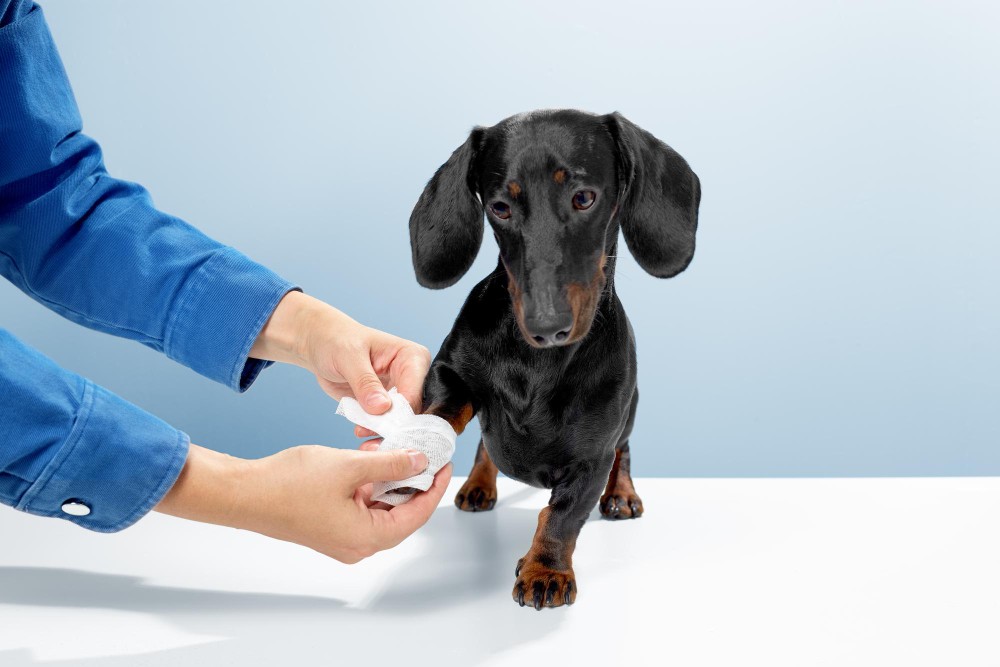
Your dog can’t tell you what’s wrong, but its body and behavior can. Use the checklist below to see if your dog is showing any of these signs. Early detection means easier treatment and a faster recovery.
Dog Paw Health Self-Checklist
| Observed Sign (Symptom) | Possible Cause | Recommended Action & Product |
| Constant Licking/Chewing of Paw | Itching, pain, foreign object, or allergies | Initial Cleaning & Soothing. Användning [Soothing Pet Wipes] to clean between the toes. Check for debris. Use a [Soft E-Collar or Recovery Cone] to prevent further licking. |
| Redness, Swelling, or Pus | Bacterial or fungal infection | Deep Cleaning & Disinfection. Apply a [Medicated Antiseptic/Antifungal Spray]. If there’s no improvement in 24 hours, see your vet immediately. |
| Discolored, Brittle, or Deformed Nails | Nutritional deficiency or chronic fungal infection | Treat Inside & Out. Use a topical [Antifungal Cream] and supplement their diet with [Biotin & Omega-3 Supplements] to build strong nails from within. |
| Limping or Favoring a Paw | Significant pain | Immobilize & Inspect. Carefully check for a broken nail or embedded object. Keep a [Pet First-Aid Kit] med [Styptic Powder] on hand for bleeding nails. |
| Foul Odor (like corn chips) | Classic sign of a yeast (fungal) infection | Keep It Clean & Dry. Använd en [Portable Paw Washer] after every walk and dry thoroughly with an [Absorbent Towel]. |
A. Observable Changes in the Nail
These are the most direct visual cues.
- Brittle or Crumbly Nails: Nails that split or break easily are a clear sign of poor health.
- Discoloration: Healthy nails are typically white, clear, or black, depending on the dog’s pigment. A nail that turns red, brown, yellow, or develops a dark band can indicate a fungal or bacterial infection.
- Deformed Growth: Infected nails may grow in an abnormal shape, become thickened, or grow at an odd angle.
- Nail Loss (Onychomadesis): In severe cases, the nail may detach and fall off completely. This is alarming for owners and underscores the importance of preventative care.
B. Changes in the Surrounding Tissue
These signs indicate inflammation and active infection, creating a sense of urgency for the owner.
- Redness and Swelling (Paronychia): The skin around the nail will appear red, puffy, and inflamed. This is a primary symptom.
- Pus or Discharge: A yellow, green, or bloody discharge from the nail fold is a definite sign of a bacterial infection.
- Hair Loss: Chronic inflammation and licking can cause hair loss on the toe and around the paw.
C. Behavioral Changes
These are often the first symptoms an owner will notice, as they directly impact the dog’s comfort and happiness.
- Excessive Licking or Chewing of the Paw: This is the most common sign of irritation and pain. To prevent further irritation from licking, an anti-licking pet onesie can be a comfortable and effective solution
- Limping or Favoring a Paw: The dog may avoid putting weight on the affected foot. This demonstrates pain and creates a strong emotional response in the owner, who will be motivated to find a solution that provides relief.
- Pain Sensitivity: The dog may cry out, flinch, or pull away when the paw is touched. This reinforces the need for gentle, safe products, especially for grooming.
D. Other Signs
These are powerful sensory cues that signal a problem.
- Foul Odor: Bacterial and yeast (fungal) infections often produce a distinct, unpleasant smell, sometimes described as musty or like corn chips.
- Bleeding: Bleeding can occur from a cracked nail or the inflamed tissue.
Professional-Grade Paw Care — Your 4-Step Action Plan
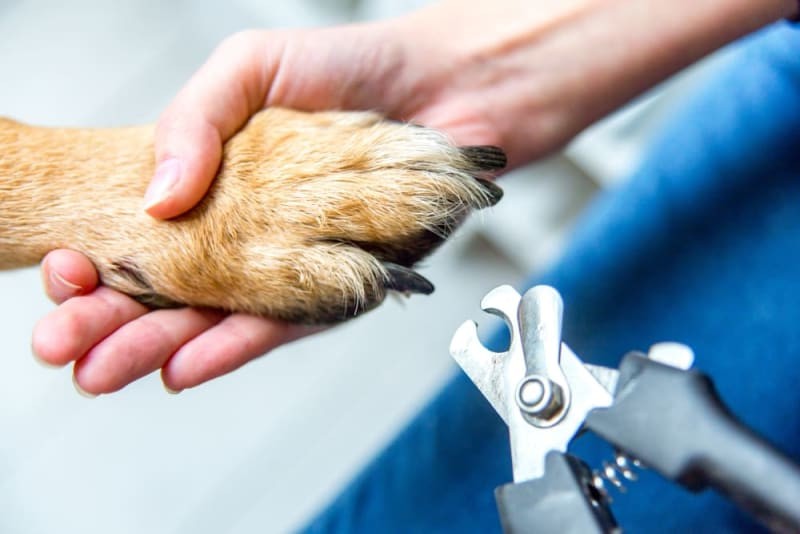
Once you understand the problem, you need a systematic care plan.
- Step 1: The Daily Check-in
After your dog comes in from outside, spend 30 seconds checking their paw pads and between their toes for cuts, debris, or redness. This is key to preventing small issues from becoming big ones. - Step 2: The Gentle Cleanse
Use lukewarm water and a pet-safe, non-irritating soap to wash the paws, paying special attention to the gaps between the toes. Afterward, it is crucial to thoroughly dry them with a towel and a blow-dryer (on a low, cool setting). Keeping them dry is the core principle of preventing fungal infections. - Step 3: The Trim & Tidy
Regularly trim overgrown nails and the fur on the bottom of the paws. Long nails affect their gait, while long fur reduces traction and can harbor bacteria. For this task, a dog grooming scissors kit can be very useful. - Step 4: The Nourish & Protect
After cleaning and drying the paws, apply a small amount of a high-quality Paw Balm or Wax to each pad, massaging it in gently until absorbed. This is vital because it:
- Nourishes & Repairs: Deeply moisturizes dry pads and promotes the healing of cracks.
- Creates a Physical Barrier: Forms an “invisible boot” on the paw’s surface, effectively shielding it from the direct impact of hot surfaces, rough ground, de-icing salts, and allergens. For even more demanding conditions, a pair of vattentäta hundskor provides the ultimate physical shield
- Selection Criteria: Ensure you choose a product with natural, lick-safe ingredients.
Enhanced Care for Special Scenarios
- Summer Strategy: Avoid midday walks. Before heading out, apply a protective balm to “armor” the paws.
- Winter Strategy: Before every walk, a protective balm is a must to shield against chemical de-icers. Upon returning, immediately wash and dry the paws, then apply another layer to repair and soothe. Pairing this routine with a warm and waterproof dog jacket ensures your dog is fully protected from the elements
- Hiking/High-Intensity Activities: For your “canine athlete,” paw balm is a first-aid kit essential. It provides extra protection and can immediately soothe minor abrasions.
When You MUST See a Vet
If your dog shows severe limping, has a wound that won’t stop bleeding, shows signs of infection (pus, swelling), or if the paw issue is accompanied by other systemic symptoms, consult your veterinarian immediately.
Prevention of Dog Nail Bed Infections
Instead of scrambling to solve a problem, make prevention a part of your daily life. This not only saves your dog from pain but also strengthens the bond between you.
Dog Paw Health Prevention Plan
| Prevention Method | Key Products | Recommended Frequency | Primary Benefit |
| Regular Nail Trimming | [Nail Clippers with Safety Guard] or an [Electric Nail Grinder], plus essential [Styptic Powder] | Every 2-4 weeks | Prevents nails from overgrowing and splitting, which creates an entry for infection. |
| Good Paw Hygiene | [Pet Wipes] (daily), [Paw Washer] (deep clean) | After every walk | Removes allergens and germs before they can cause trouble. |
| Paw Pad Protection | [Paw Wax / Balm] | Before walks / After cleaning | Creates a barrier against hot pavement, ice, salt, and rough surfaces. |
| Nutrition from Within | [High-Quality Dog Food], [Omega-3 Fish Oil], [Skin & Coat Supplements] | Daily | Builds a strong skin barrier and promotes healthy, resilient nails. |
Conclusion & Call to Action:
Protecting your dog’s paws is protecting its happiness. Start integrating these simple care steps into your daily routine today. A clean paw and a strong nail are some of the best gifts you can give your furry friend.
Ready to get started? We’ve curated the perfect [Paw Care Starter Kit] to help you begin your journey to healthier paws today.
A Business Opportunity for Retailers, Distributors, and Global Buyers
What you’ve just read is more than a pet care guide; it’s a map to a consistent and growing market demand. Every symptom and every preventative step corresponds directly to a specific product category and a clear business opportunity.
If you are a professional in the pet industry and recognize the immense potential in turning this common health concern into a major growth category for your business, we invite you to access our “Canine Paw Health Market: A Strategic White Paper.” This document provides a deep dive into:
- Market Opportunity Analysis: Turning a common pet health issue into a recurring revenue stream.
- Product Portfolio Strategy: How to build a complete solution from prevention and treatment to recovery.
- Targeted Marketing Tactics: Custom marketing plans for specific breeds and customer segments.
- Our Partnership Advantages: Including one-stop sourcing, full OEM/ODM customization, quality assurance, and a reliable supply chain.


 English
  Turkish
  German
  Dutch
Dutch  French
  Greek
Greek  Danish
  Finnish
  Swedish
  Italian
  Polish
  Portuguese
  Russian
  Spanish