

As the temperature drops, providing a warm and comfortable environment for your dog becomes crucial. “When Does My Dog Need a Coat” offers actionable advice and insights to ensure your canine companion stays warm and comfortable throughout the cold seasons.
Hvornår har min hund brug for en frakke? Afdækning af den beskyttelse mod koldt vejr, din hund har brug for
As the leaves turn and the air gets that extra bite, it’s time to think about bundling up—yes, even for our four-legged friends.
This guide, “When Does My Dog Need a Coat,” is your go-to for understanding the ins and outs of keeping your canine cozy when the mercury drops.
Bestemmelse af kuldetærsklen for hundens komfort

At forstå kulden: Indstilling af temperatur for komfort
Before you reach for the doggie sweaters, it’s crucial to know when the cold really becomes a concern for your pooch.
Dogs have different tolerances to cold weather, and some may need a helping paw with staying warm.
Videnskaben om temperaturtolerance hos hunde
Kroppens varmebalance: Hvad er videnskaben bag?
Your dog’s ability to stay warm is a complex dance of body size, fur type, and acclimatization.
The science tells us that most dogs start to feel the chill around 32°F (0°C), but for smaller breeds or those with less insulation, 45°F (7°C) might be the magic number to start thinking about a coat.
The 32°F (0°C) and 45°F (7°C) Milestones for Hundefrakker
Temperaturens vippepunkter: Hvornår du skal gribe ud efter hundejakken
Disse to temperaturmarkører er dit stikord til at overveje hundetøj. Ved 32°F (0°C) begynder de fleste hunde at føle kulden, og ved 45°F (7°C) siger de små pelsdyr eller korthårede venner måske: "Frem med tæpperne!"
Inddragelse af racemangfoldighed og pelstyper

Racen betyder noget: Hvordan forskellighed spiller en rolle i kulderesistens
Ikke alle hunde er skabt lige godt, når det gælder om at trodse elementerne. Nogle racer er bygget til Arktis, mens andre egner sig bedre til en dag på stranden.
Hvordan race påvirker en hunds modstandsdygtighed over for kulde
Plan for racen: Naturens vinterkrigere
Breeds like Siberian Huskies and St. Bernards are nature’s own winter warriors, with their thick coats and sturdy builds.
On the flip side, smaller breeds or those with less fur, like Chihuahuas and French Bulldogs, might be looking at you with those big eyes, saying, “How about a sweater?”
Betydningen af pelsens længde og tykkelse
Pelsfaktor: Betydningen af en god vinterfrakke
The length and thickness of your dog’s coat are key factors in determining their need for extra warmth.
Long-haired breeds and those with double coats are like walking snowsuits, while short-coated dogs might be thinking, “I wish I had that!”
Læs hundens adfærd for signaler om koldt vejr

At forstå din hunds kropssprog er nøglen til at vide, hvornår den har brug for lidt ekstra varme.
Identificering af ubehag: Rystelser og søgen efter ly
De tydelige tegn på en nedkølet hund
Shivering and seeking shelter are clear signs that your dog is feeling the chill. If you notice your pup shaking more than usual or trying to hide away in warm spots, it’s time to consider some extra insulation.
These behaviors are nature’s way of saying, “I’m cold, and I need a little help staying warm.”
Hunderacer, der er udsatte for kulde, og deres unikke behov
Klubben for kuldefølsomme hunde: Racer, der har brug for ekstra pleje
Some dog breeds are more susceptible to the cold than others. Short-haired breeds like Whippets or Greyhounds, or small breeds like Chihuahuas, might feel the cold more acutely.
Similarly, breeds with thin coats, like the Basenji or the Xoloitzcuintli, also require special attention during the winter months. Knowing your breed’s unique needs can help you provide the right amount of warmth and protection.
Skab et varmt indendørs fristed for hunde

At gøre dit hjem til et varmt fristed for din hund er afgørende for dens komfort og velbefindende i de kolde måneder.
Vælg isolerede hundesenge for maksimal varme
Hyggelige boliger til hunde: At vælge den rigtige isolerede seng
A good insulated dog bed can make all the difference in keeping your dog warm. Look for beds with thick padding and a waterproof, yet breathable, outer layer to trap heat while keeping drafts at bay.
Orthopedic beds can also provide extra support and warmth for older dogs or those with joint issues.
Brug rumopvarmning og temperaturstyring med omtanke
Opvarmning: Brug rumopvarmere og termostater effektivt
While it’s tempting to crank up the heat, using space heaters and thermostats wisely can keep your home warm without breaking the bank.
Place space heaters in areas where your dog spends the most time, but always use safety precautions to prevent fires or burns. Programmable thermostats can also help maintain a consistent temperature, ensuring your dog is comfortable without wasting energy.
Sørg for, at udendørs hunde har ly for stormen

For hunde, der tilbringer meget tid udenfor, er det afgørende at have et ordentligt ly for at holde dem sikre og varme under barske vejrforhold.
At bygge eller vælge isolerede hundehuse
Det ultimative drømmehus til hunde: Isolerede hundehuse
When it comes to outdoor shelters, an insulated dog house can make all the difference. Look for materials that provide good insulation, such as wood or heavy-duty plastic.
The house should be well-ventilated to prevent moisture buildup but also have a windproof entrance to keep the cold out. If you’re handy, building one yourself can be a rewarding project.
Just ensure it’s large enough for your dog to stand and turn around in, and raised off the ground to avoid cold seepage.
Beskyttelse af udendørs hunde mod vind, fugt og kold jord
I kamp mod elementerne: Vind, fugt og kold jord
Outdoor dogs face a triple threat: wind, moisture, and cold ground. To combat these, consider using windbreaks around the dog house, such as sturdy fencing or wind barriers.
For moisture, a raised platform or a layer of absorbent material under their bedding can help keep the area dry. Insulating the ground with a thick layer of straw or a foam mat can also provide a barrier against the cold.
Tøjets betydning for hundes termoregulering
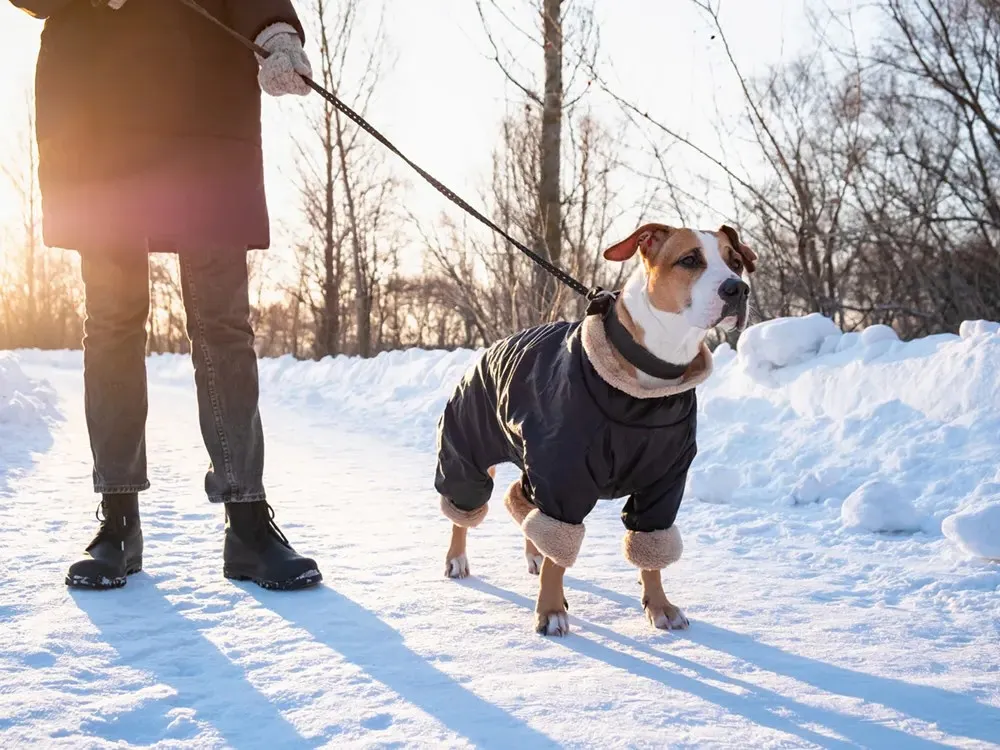
Hvornår har min hund brug for en pels?
Tøj kan virke som en menneskelig ting, men for hunde, især dem med særlige behov, kan det være en livredder i koldt vejr.
Typer af hundefrakker og hvornår de er nødvendige
Coats for Canines: When to Wrap Your Dog in Warmth
Dog coats come in various types, each designed for specific needs. For mild chills, a simple fleece coat might suffice. For more severe cold, consider a waterproof and insulated coat.
For dogs with short hair or those that are hairless, a coat is essential when temperatures drop. Knowing when to use each type can help keep your dog comfortable and protected.
Find den perfekte pasform for at sikre varme og komfort
Den perfekte pasform: Sådan vælger du den rigtige hundefrakke
A well-fitting coat is crucial for warmth and comfort. It should be snug but not tight, allowing your dog to move freely. The coat should cover the dog’s chest and back without restricting their legs.
For the best fit, measure your dog’s chest girth, neck circumference, and back length. This will help you choose a coat that fits like a glove, keeping your dog warm without hindering their movement.
Overvågning af sundhed og dyrlægehjælp

Det er vigtigt at holde øje med din hunds helbred i de kolde måneder for at sikre dens velbefindende.
Genkendelse af sygdomme udløst af kuldeeksponering
Forsigtighed i koldt vejr: Opdag sundhedsproblemer tidligt
Cold exposure can lead to various health problems in dogs, including hypothermia and frostbite. Signs of hypothermia include shivering, lethargy, and difficulty walking.
Frostbite often affects the ears, paws, and tail, showing up as pale or gray skin. If you notice these symptoms, it’s crucial to warm your dog gradually and seek veterinary care.
Regular check-ups during winter can help catch any potential issues before they escalate.
Veterinært nødberedskab til kulderelaterede problemer
Vær forberedt: Nødplaner for nødsituationer i koldt vejr
Having a plan in place for veterinary emergencies is vital during winter. Know the location of your nearest emergency vet clinic and keep their contact information handy.
Familiarize yourself with basic first aid for dogs, including how to treat minor frostbite or hypothermia. Additionally, consider keeping a winter pet first-aid kit stocked with essentials like blankets, gauze, and antiseptic wipes to ensure you’re ready for anything.
Avancerede teknikker til at holde hunde varme

Ud over frakker og læskure er der flere avancerede metoder til at holde din hund varm i vintermånederne.
Brug af reflekterende tæpper og gør-det-selv-isoleringsprojekter
Reflekterende varme: Udnyttelse af isoleringens kraft
Reflective blankets, often used in emergency situations, can be a great tool for keeping your dog warm. These lightweight, portable blankets reflect body heat back to your pet, making them an excellent addition to your dog’s outdoor gear.
For DIY enthusiasts, consider creating insulated spaces in your home or outdoor dog house using materials like foam boards or straw bales to trap heat effectively.
Udnyttelse af kropsvarme og fordelene ved flere kæledyr
Teamwork for varme: Kraften i kropsvarme
Dogs are social animals, and they can benefit from the warmth of their companions. If you have multiple pets, allowing them to snuggle together can help keep them warm.
This natural behavior not only provides physical warmth but also emotional comfort during the cold months. Just ensure that all pets are healthy and compatible to avoid any squabbles over the best warm spots!
Tilpasning af hundens adfærd og rutiner til vinteren

Når årstiderne skifter, gør vores hundes adfærd og rutiner det også. Forståelse af disse ændringer kan hjælpe med at sikre deres komfort og velvære i vintermånederne.
Forstå ændringer i hundens rutine på grund af kulde
Vinterblues: Hvordan kulde påvirker din hunds rutine
Cold weather can affect your dog’s routine in various ways. They might be less eager to go outside for bathroom breaks or walks, preferring the warmth of indoors. Some dogs may sleep more due to the shorter daylight hours.
Adjusting your expectations and being patient with these changes can help maintain a harmonious relationship with your pet.
Tilskyndelse til redebyggeri og håndtering af sæsonbetingede affektive lidelser
Hyggelige hjørner: Fremme af hygge og bekæmpelse af vinterdepressioner
Dogs, like humans, may experience a form of seasonal affective disorder, leading to lethargy and changes in appetite. Encouraging nesting behaviors by providing comfortable and warm sleeping areas can help.
Additionally, maintaining a consistent routine, including regular exercise and playtime, can boost your dog’s mood and energy levels.
If you notice significant changes in your dog’s behavior or mood, consult with a veterinarian to rule out any underlying health issues.
Konklusion: En plan for hundens komfort året rundt

Lad os afslutte vores guide med at opsummere strategierne og understrege vigtigheden af varme for din hunds generelle sundhed og lykke.
At genfinde strategierne for en hund uden børn
En tjekliste til børnefrihed: Sikring af komfort året rundt
Overvej følgende strategier for at sikre, at din hund forbliver varm og komfortabel:
- Overvåg temperaturtærskler, og sørg for overtøj, når det er nødvendigt.
- Vælg den rigtige pels, der passer til racen, og sørg for, at den sidder godt.
- Skab varme indendørs og udendørs miljøer med isolerede senge og læskure.
- Hold øje med helbredet, og vær forberedt på nødsituationer.
- Justér rutinerne, og tilskynd til redebyggeri for at modvirke årstidsændringer.
Varmens indvirkning på din hunds sundhed og lykke
The Warmth Advantage: Sundhed og lykke
Keeping your dog warm is not just about physical comfort; it’s also crucial for their health and happiness. Proper warmth can prevent illnesses, improve their mood, and enhance the bond between you and your pet.
By following the strategies outlined in this guide, you can ensure that your dog enjoys the colder months in comfort and good health.


 English
  Turkish
  German
  Dutch
Dutch  French
  Greek
Greek  Danish
  Finnish
  Swedish
  Italian
  Polish
  Portuguese
  Russian
  Spanish