

Con la bajada de las temperaturas, proporcionar un entorno cálido y confortable a su perro se convierte en algo crucial. "¿Cuándo necesita mi perro un abrigo?"ofrece consejos prácticos e ideas para garantizar que su compañero canino se mantenga abrigado y cómodo durante las estaciones frías.
¿Cuándo necesita abrigo mi perro? La protección contra el frío que necesita su perro
As the leaves turn and the air gets that extra bite, it’s time to think about bundling up—yes, even for our four-legged friends.
This guide, “When Does My Dog Need a Coat,” is your go-to for understanding the ins and outs of keeping your canine cozy when the mercury drops.
Determinar el umbral de frío para el confort canino

Entender el frío: Cómo ajustar la temperatura para sentirse cómodo
Before you reach for the doggie sweaters, it’s crucial to know when the cold really becomes a concern for your pooch.
Dogs have different tolerances to cold weather, and some may need a helping paw with staying warm.
La ciencia de la tolerancia a la temperatura en los perros
El equilibrio térmico corporal: ¿Qué hay detrás de la ciencia?
Your dog’s ability to stay warm is a complex dance of body size, fur type, and acclimatization.
The science tells us that most dogs start to feel the chill around 32°F (0°C), but for smaller breeds or those with less insulation, 45°F (7°C) might be the magic number to start thinking about a coat.
Los hitos de 32°F (0°C) y 45°F (7°C) para Abrigos para perros
Los puntos de inflexión de la temperatura: Cuándo sacar el abrigo para perros
Estos dos marcadores de temperatura son la clave para considerar la vestimenta canina. A 32 °F (0 °C), la mayoría de los perros pueden empezar a sentir el frío, y a 45 °F (7 °C), esas pequeñas bolas de pelo o amigos de pelaje corto pueden estar diciendo: "¡Traigan las mantas!".
Diversidad de razas y tipos de pelaje

La raza importa: Cómo influye la diversidad en la resistencia al frío
No todos los perros son iguales cuando se trata de enfrentarse a los elementos. Algunas razas están hechas para el Ártico, mientras que otras son más adecuadas para pasar un día en la playa.
Cómo influye la raza en la resistencia del perro al frío
Proyecto de raza: Guerreros de invierno de la naturaleza
Breeds like Siberian Huskies and St. Bernards are nature’s own winter warriors, with their thick coats and sturdy builds.
On the flip side, smaller breeds or those with less fur, like Chihuahuas and French Bulldogs, might be looking at you with those big eyes, saying, “How about a sweater?”
La importancia de la longitud y el grosor del manto
El factor piel: La importancia de un buen abrigo de invierno
The length and thickness of your dog’s coat are key factors in determining their need for extra warmth.
Long-haired breeds and those with double coats are like walking snowsuits, while short-coated dogs might be thinking, “I wish I had that!”
Leer el comportamiento del perro para detectar señales de frío

Entender el lenguaje corporal de tu perro es clave para saber cuándo necesita un poco más de calor.
Identificar el malestar: Escalofríos y búsqueda de refugio
Los signos reveladores de un can frío
Shivering and seeking shelter are clear signs that your dog is feeling the chill. If you notice your pup shaking more than usual or trying to hide away in warm spots, it’s time to consider some extra insulation.
These behaviors are nature’s way of saying, “I’m cold, and I need a little help staying warm.”
Razas de perro propensas al frío y sus necesidades específicas
El Club Canino Sensible al Frío: Razas que necesitan cuidados especiales
Some dog breeds are more susceptible to the cold than others. Short-haired breeds like Whippets or Greyhounds, or small breeds like Chihuahuas, might feel the cold more acutely.
Similarly, breeds with thin coats, like the Basenji or the Xoloitzcuintli, also require special attention during the winter months. Knowing your breed’s unique needs can help you provide the right amount of warmth and protection.
Crear un cálido refugio interior para los perros

Convertir tu casa en un santuario cálido para tu perro es esencial para su comodidad y bienestar durante los meses más fríos.
Seleccionar camas aisladas del perro para el calor máximo
Acogedor alojamiento canino: Cómo elegir la cama aislante adecuada
A good insulated dog bed can make all the difference in keeping your dog warm. Look for beds with thick padding and a waterproof, yet breathable, outer layer to trap heat while keeping drafts at bay.
Orthopedic beds can also provide extra support and warmth for older dogs or those with joint issues.
Utilizar bien los calefactores y el control de temperatura
Calefacción: Uso eficaz de calefactores y termostatos
While it’s tempting to crank up the heat, using space heaters and thermostats wisely can keep your home warm without breaking the bank.
Place space heaters in areas where your dog spends the most time, but always use safety precautions to prevent fires or burns. Programmable thermostats can also help maintain a consistent temperature, ensuring your dog is comfortable without wasting energy.
Proteger a los perros en el exterior de la tormenta

Para los perros que pasan mucho tiempo en el exterior, disponer de un refugio adecuado es crucial para mantenerlos a salvo y calientes en condiciones climáticas adversas.
Construir o elegir casetas aisladas para perros
La casa de ensueño para perros: casas aisladas para perros
When it comes to outdoor shelters, an insulated dog house can make all the difference. Look for materials that provide good insulation, such as wood or heavy-duty plastic.
The house should be well-ventilated to prevent moisture buildup but also have a windproof entrance to keep the cold out. If you’re handy, building one yourself can be a rewarding project.
Just ensure it’s large enough for your dog to stand and turn around in, and raised off the ground to avoid cold seepage.
Proteger a los perros que viven al aire libre del viento, la humedad y el frío del suelo
La lucha contra los elementos: Viento, humedad y suelo frío
Outdoor dogs face a triple threat: wind, moisture, and cold ground. To combat these, consider using windbreaks around the dog house, such as sturdy fencing or wind barriers.
For moisture, a raised platform or a layer of absorbent material under their bedding can help keep the area dry. Insulating the ground with a thick layer of straw or a foam mat can also provide a barrier against the cold.
La importancia de la ropa en la termorregulación canina
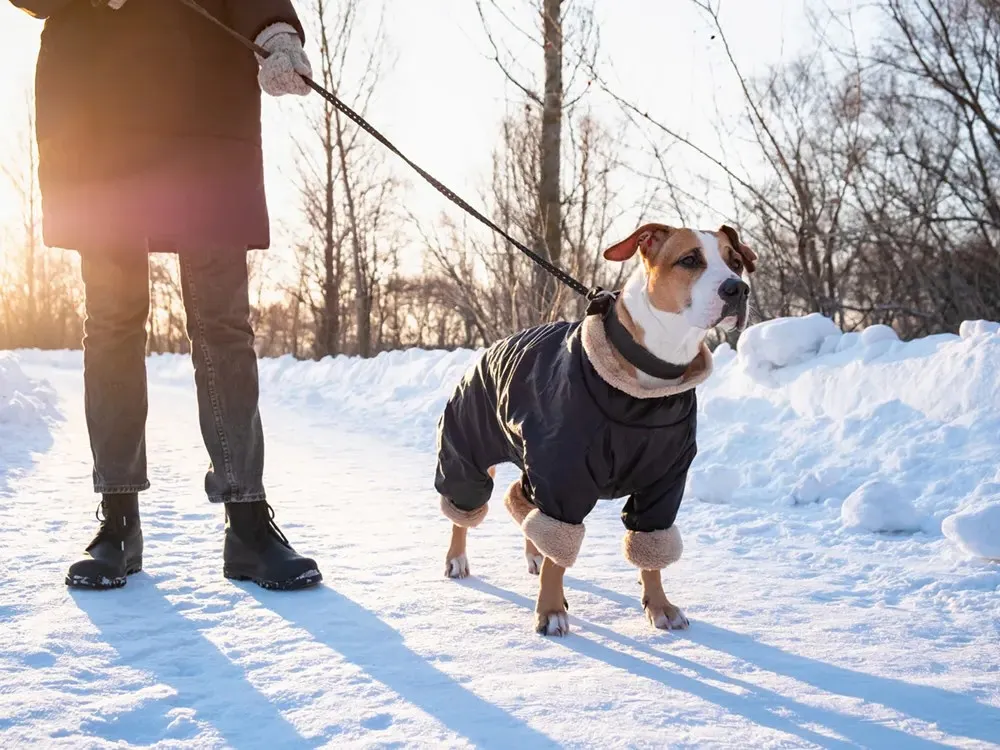
¿Cuándo necesita abrigo mi perro?
La ropa puede parecer cosa de humanos, pero para los perros, sobre todo los que tienen necesidades especiales, puede ser un salvavidas cuando hace frío.
Tipos de abrigos para perros y cuándo son imprescindibles
Abrigos para caninos: Cuándo abrigar a su perro
Dog coats come in various types, each designed for specific needs. For mild chills, a simple fleece coat might suffice. For more severe cold, consider a waterproof and insulated coat.
For dogs with short hair or those that are hairless, a coat is essential when temperatures drop. Knowing when to use each type can help keep your dog comfortable and protected.
Encontrar el ajuste perfecto para garantizar calidez y comodidad
El ajuste perfecto: cómo elegir el abrigo adecuado para su perro
A well-fitting coat is crucial for warmth and comfort. It should be snug but not tight, allowing your dog to move freely. The coat should cover the dog’s chest and back without restricting their legs.
For the best fit, measure your dog’s chest girth, neck circumference, and back length. This will help you choose a coat that fits like a glove, keeping your dog warm without hindering their movement.
Control sanitario y atención veterinaria

Vigilar la salud de su perro durante los meses más fríos es esencial para garantizar su bienestar.
Reconocer las enfermedades desencadenadas por la exposición al frío
Precaución ante el frío: Detección precoz de problemas de salud
Cold exposure can lead to various health problems in dogs, including hypothermia and frostbite. Signs of hypothermia include shivering, lethargy, and difficulty walking.
Frostbite often affects the ears, paws, and tail, showing up as pale or gray skin. If you notice these symptoms, it’s crucial to warm your dog gradually and seek veterinary care.
Regular check-ups during winter can help catch any potential issues before they escalate.
Preparación veterinaria de emergencia para problemas relacionados con el frío
Prepárese: Planes de emergencia para climas fríos
Having a plan in place for veterinary emergencies is vital during winter. Know the location of your nearest emergency vet clinic and keep their contact information handy.
Familiarize yourself with basic first aid for dogs, including how to treat minor frostbite or hypothermia. Additionally, consider keeping a winter pet first-aid kit stocked with essentials like blankets, gauze, and antiseptic wipes to ensure you’re ready for anything.
Técnicas avanzadas para mantener calientes a los perros

Además de los abrigos y los refugios, existen varios métodos avanzados para ayudar a mantener caliente al perro durante los meses de invierno.
Uso de mantas reflectantes y proyectos de bricolaje sobre aislamiento
Calor reflectante: aprovechar el poder del aislamiento
Reflective blankets, often used in emergency situations, can be a great tool for keeping your dog warm. These lightweight, portable blankets reflect body heat back to your pet, making them an excellent addition to your dog’s outdoor gear.
For DIY enthusiasts, consider creating insulated spaces in your home or outdoor dog house using materials like foam boards or straw bales to trap heat effectively.
Aprovechar el calor corporal y los beneficios de tener varias mascotas
Trabajo en equipo para entrar en calor: el poder del calor corporal
Dogs are social animals, and they can benefit from the warmth of their companions. If you have multiple pets, allowing them to snuggle together can help keep them warm.
This natural behavior not only provides physical warmth but also emotional comfort during the cold months. Just ensure that all pets are healthy and compatible to avoid any squabbles over the best warm spots!
Adaptar el comportamiento y la rutina del perro al invierno

A medida que cambian las estaciones, también lo hacen los comportamientos y rutinas de nuestros perros. Comprender estos cambios puede ayudar a garantizar su comodidad y bienestar durante los meses de invierno.
Comprender los cambios en la rutina canina debidos al frío
Tristeza invernal: Cómo afecta el frío a la rutina de tu perro
Cold weather can affect your dog’s routine in various ways. They might be less eager to go outside for bathroom breaks or walks, preferring the warmth of indoors. Some dogs may sleep more due to the shorter daylight hours.
Adjusting your expectations and being patient with these changes can help maintain a harmonious relationship with your pet.
Fomentar los comportamientos de nidificación y abordar los trastornos afectivos estacionales
Rincones acogedores: Fomentar el anidamiento y combatir la tristeza invernal
Dogs, like humans, may experience a form of seasonal affective disorder, leading to lethargy and changes in appetite. Encouraging nesting behaviors by providing comfortable and warm sleeping areas can help.
Additionally, maintaining a consistent routine, including regular exercise and playtime, can boost your dog’s mood and energy levels.
If you notice significant changes in your dog’s behavior or mood, consult with a veterinarian to rule out any underlying health issues.
Conclusión: Un plan anual para el bienestar canino

Para concluir nuestra guía, recapitulemos las estrategias y hagamos hincapié en la importancia del calor para la salud y la felicidad generales de su perro.
Recuperar las estrategias para un perro libre de displasia
Lista de comprobación para no tener frío: Confort durante todo el año
Para que su perro se mantenga caliente y cómodo, tenga en cuenta las siguientes estrategias:
- Vigilar los umbrales de temperatura y proporcionar abrigos cuando sea necesario.
- Elija el abrigo adecuado para su raza y asegúrese de que le queda bien.
- Cree ambientes cálidos en interiores y exteriores con camas y refugios aislados.
- Vigile la salud y esté preparado para las emergencias.
- Ajuste las rutinas y fomente los comportamientos de nidificación para combatir los cambios estacionales.
El impacto del calor en la salud y la felicidad de su perro
La ventaja del calor: Salud y felicidad
Keeping your dog warm is not just about physical comfort; it’s also crucial for their health and happiness. Proper warmth can prevent illnesses, improve their mood, and enhance the bond between you and your pet.
By following the strategies outlined in this guide, you can ensure that your dog enjoys the colder months in comfort and good health.


 English
  Turkish
  German
  Dutch
Dutch  French
  Greek
Greek  Danish
  Finnish
  Swedish
  Italian
  Polish
  Portuguese
  Russian
  Spanish