

When it comes to the comfort and safety of our canine companions, the question “Can a dog sleep in a pet carrier?” often arises. This comprehensive guide delves into the nuances of pet carrier use, offering valuable insights into creating a cozy, secure environment for your dog that enhances their quality of life both in travel and at home. Whether you’re preparing for a journey or seeking to establish a safe space for rest, this guide provides the essential knowledge to ensure your dog’s well-being is never compromised.
Can a Dog Sleep in a Pet Carrier? A Comprehensive Guide to Pet Comfort and Safety
Introduction to Pet Carriers
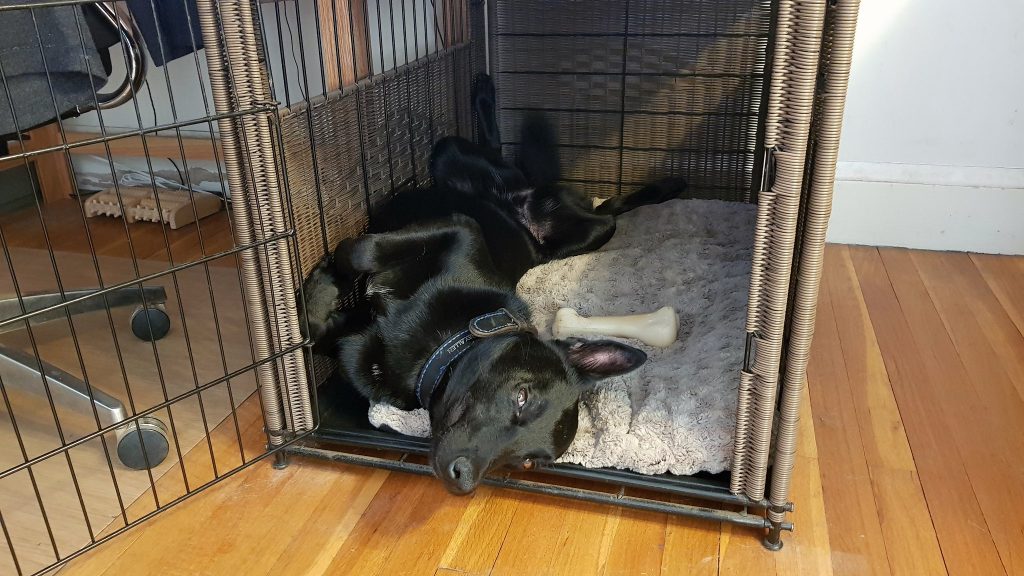
Pet carriers are an essential part of a pet owner’s toolkit, offering a portable sanctuary for our furry friends. They serve as a safe haven during travel, a training aid, and a cozy resting spot. Understanding the purpose of pet carriers is crucial to ensuring the well-being and comfort of your dog.
Purpose of Pet Carriers
Pet carriers are designed to provide a sense of security and comfort to dogs. They are a familiar space where dogs can retreat to when feeling overwhelmed or anxious. The enclosed nature of a carrier simulates the safety of a den, allowing dogs to relax and rest, even in unfamiliar environments.
Benefits of Using Pet Carriers
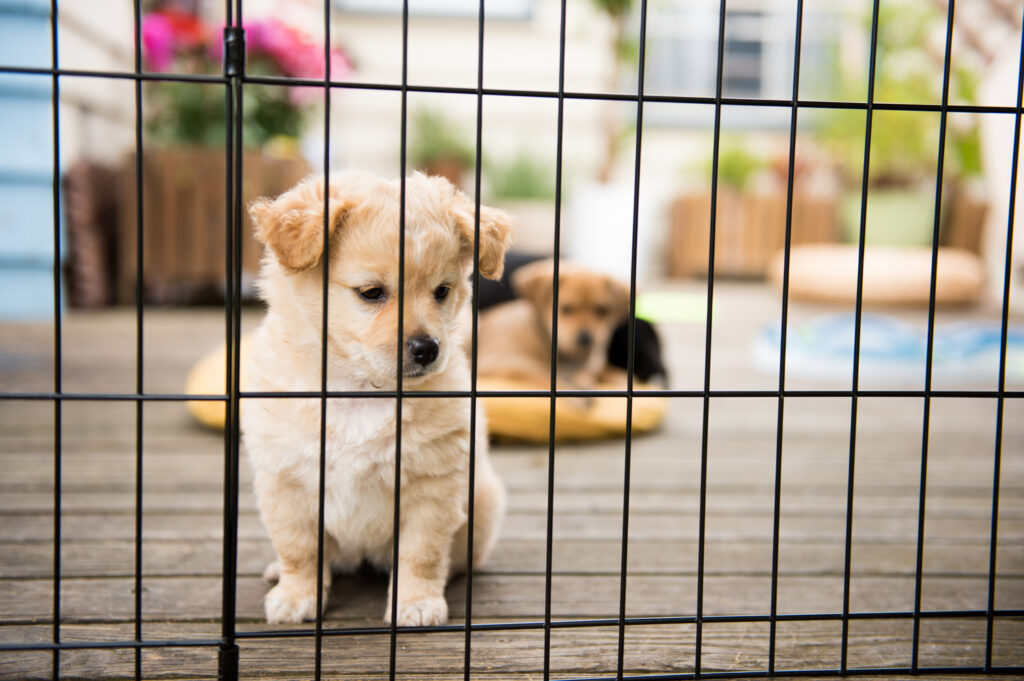
The benefits of using pet carriers extend beyond mere transportation. They play a significant role in enhancing the overall quality of life for our pets.
Enhancing Dog Behavior and Training
Carriers are not just for travel; they are also valuable tools in dog behavior and training. A carrier can be used to teach puppies about boundaries and to create a calm, focused environment for training sessions. The confined space can help reduce distractions and encourage dogs to pay attention to their handlers, leading to better training outcomes.
Turvallisen ympäristön luominen
A pet carrier is a dog’s personal safe space, especially during travel or in busy environments. It provides a secure area for rest, protecting them from potential dangers and helping to reduce stress. For example, a dog that is crate-trained is less likely to roam around a car, reducing the risk of injury in case of sudden stops.
Making Carriers Comfortable for Sleep
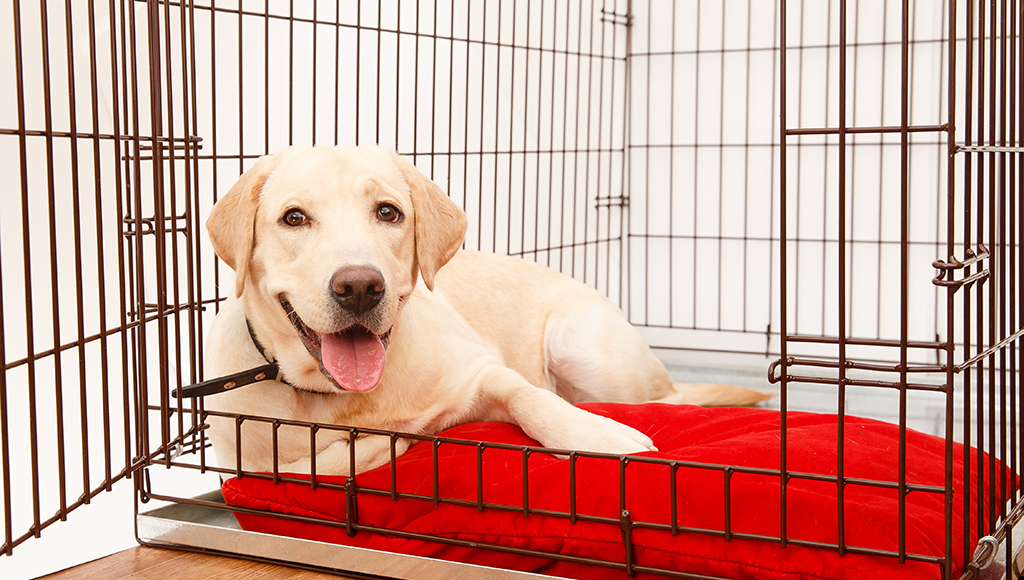
A pet carrier should be more than just a container for transport; it should be a cozy nest that your dog looks forward to. Here’s how to transform that carrier into a sleep haven.
Selecting Bedding and Accessories
Choosing the right bedding and accessories is key to making a carrier comfortable for sleep. Opt for materials that are easy to clean and provide adequate insulation. Consider the following guidelines:
- Koolla on väliä: Ensure the bedding fits the carrier well, leaving enough room for your dog to turn around but not so much that they could get lost in it.
- Mukavuus ensin: Look for soft, cushioned materials that will provide support and warmth.
- Turvallisuus: Avoid small parts or loose fabric that could pose a choking hazard.
- Hygienia: Select bedding that is machine washable to maintain cleanliness, especially for long trips or multiple uses.
Familiarizing Your Dog with the Carrier
Introducing your dog to their carrier should be a positive experience. Here are some techniques to make the carrier a familiar and inviting space:
- Scent: Place items with your scent in the carrier, such as an old t-shirt, to provide a sense of familiarity.
- Positiivinen assosiaatio: Feed your dog their meals or give them treats inside the carrier to create a positive association.
- Asteittainen käyttöönotto: Start by leaving the carrier door open and allowing your dog to explore at their own pace.
- Hiljainen aika: Encourage your dog to rest in the carrier during quiet times at home, making it a part of their daily routine.
Acclimation Process for Dogs

The process of getting your dog used to their carrier is crucial for a stress-free experience, especially during travel.
Introducing the Carrier
Follow these step-by-step instructions to help your dog feel at ease with their new carrier:
- Initial Exposure: Let your dog sniff and explore the carrier without any pressure.
- Lyhyet istunnot: Start with short periods of time inside the carrier, gradually increasing as your dog becomes more comfortable.
- Encouragement: Use a gentle voice and body language to encourage your dog to enter the carrier.
- Palkinto: Offer praise and treats when your dog willingly enters and stays in the carrier.
Positiivisen vahvistamisen tekniikat
Positive reinforcement is a powerful tool in helping your dog accept the carrier. Here’s how to use it effectively:
- Immediate Reward: Give treats and praise immediately after your dog enters the carrier to reinforce the behavior.
- Johdonmukaisuus: Be consistent with your rewards to strengthen the association between the carrier and positive experiences.
- Lajike: Use a variety of treats and toys to keep the experience engaging and prevent boredom.
Crate and Carrier Use in Training and Housebreaking
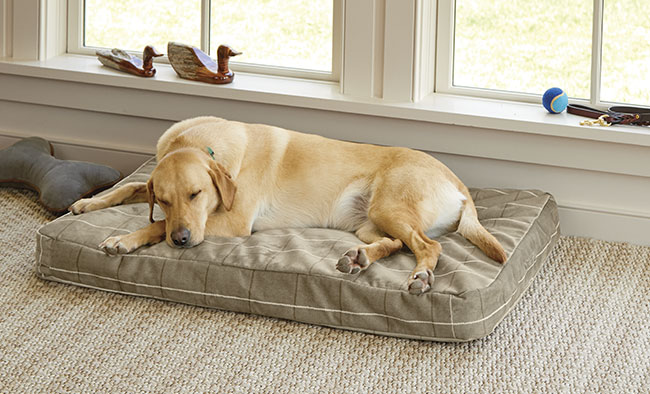
Crates and carriers are not just for transportation; they play a pivotal role in training and housebreaking your puppy, providing a structured environment that aids in learning essential behaviors.
Potty Training with Carriers
Using crates and carriers can significantly ease the process of housebreaking your puppy. Here’s how:
- Suunnitellut tauot: Establish a routine of taking your puppy out at regular intervals for potty breaks, reinforcing the idea that the carrier or crate is not a place for elimination.
- Short Stays: Initially, keep your puppy in the crate for short periods, gradually increasing the duration as they become more comfortable.
- Immediate Praise: Praise your puppy immediately after they eliminate outside, reinforcing the positive behavior.
- Avoid Scolding: Never scold your puppy for accidents inside the crate, as this can create a negative association with the crate and hinder training progress.
Behavioral Control and Safety
Carriers are invaluable in managing behavior and ensuring safety, especially during the early stages of training:
- Rajat: A carrier provides clear boundaries, helping puppies understand where they are allowed to roam and where they are not.
- Distraction Reduction: The confined space of a carrier can reduce distractions, making it easier for puppies to focus on training commands.
- Turvallisuus: In busy environments or during travel, a carrier keeps your puppy safe from potential hazards.
Nighttime Crate Training Essentials
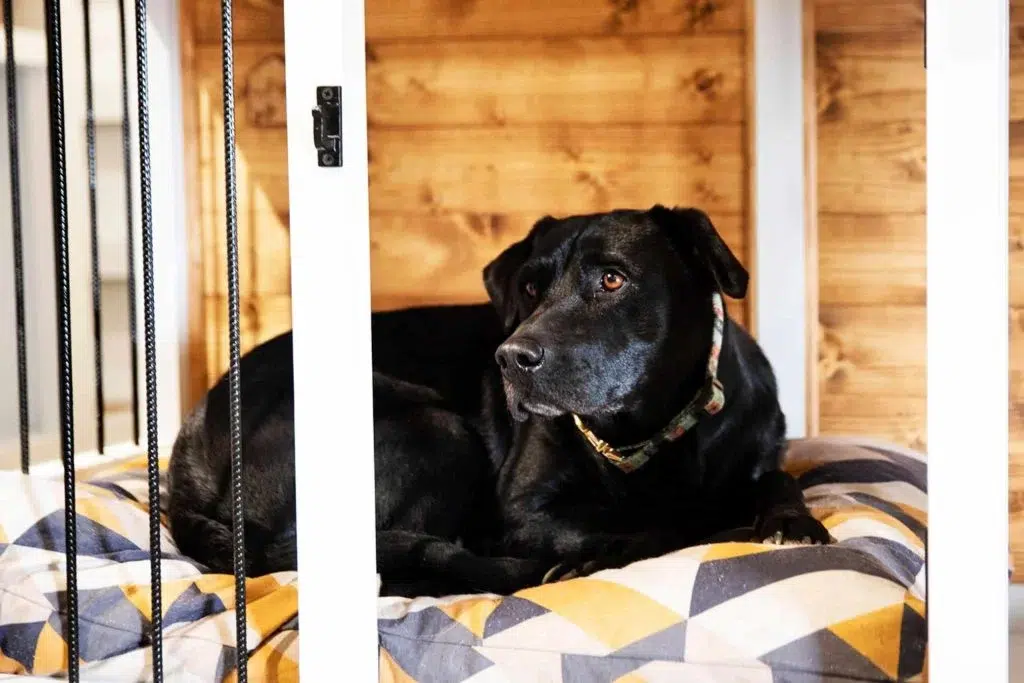
Establishing a nighttime routine that includes crate use is crucial for both the puppy’s training and the owner’s peace of mind.
Establishing a Sleep Routine
Creating a consistent nighttime routine can help your puppy understand when it’s time to rest:
- Dinner Time: Feed your puppy dinner a few hours before bedtime to allow for digestion and reduce the need for nighttime potty breaks.
- Hiljainen aika: Engage in calming activities such as a gentle walk or playtime before settling your puppy in the crate for the night.
- Johdonmukaisuus: Stick to the same routine every night to help your puppy anticipate and adjust to the schedule.
Transitioning to Independent Sleep
Helping puppies transition to sleeping independently is a gradual process:
- Gradual Separation: Start by leaving your puppy in the crate for short periods during the day and gradually increase the time as they become more comfortable.
- Mukavuuden kohteet: Provide familiar items like a favorite toy or a piece of your clothing to offer comfort and security.
- Nighttime Potty Breaks: Initially, take your puppy out for a potty break shortly before bedtime and again in the middle of the night to reduce the chances of accidents.
Traveling with Your Dog in a Carrier
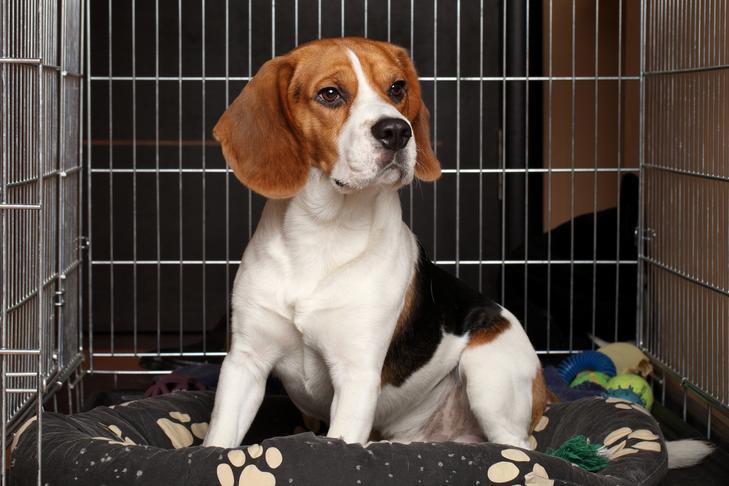
Traveling with your dog can be an exciting adventure, but it requires careful planning and preparation to ensure a safe and comfortable journey for both you and your pet.
Preparing for Air Travel
Flying with your dog involves several steps to ensure a smooth experience:
- Health Check: Varmista, että koirasi rokotukset ovat ajan tasalla ja että eläinlääkäri on todistanut koirasi terveyden.
- Carrier Size: Choose a carrier that meets airline requirements and is large enough for your dog to stand, turn around, and lie down comfortably.
- Lentoyhtiön toimintaperiaatteet: Research the specific policies of the airline you are flying with, including fees, restrictions, and any required paperwork.
- Totuttautuminen: Gradually expose your dog to the carrier in a non-travel setting to reduce anxiety during the flight.
- Ruokinta-aikataulu: Adjust feeding times to minimize the need for bathroom breaks during the flight.
Enhancing Travel Comfort
Making the travel experience as comfortable as possible is crucial for your dog’s well-being:
- Lämpötilan säätö: Ensure the carrier is well-ventilated and protected from extreme temperatures.
- Noise Reduction: Consider using calming aids like a white noise machine or a pheromone diffuser to help your dog cope with the unfamiliar noises of travel.
- Hydratointi: Provide access to water, but be mindful of the feeding schedule to avoid motion sickness.
- Tutut kohteet: Include familiar items like a favorite toy or a piece of your clothing to provide comfort and a sense of security.
Debating the Use of Carriers for Sleep
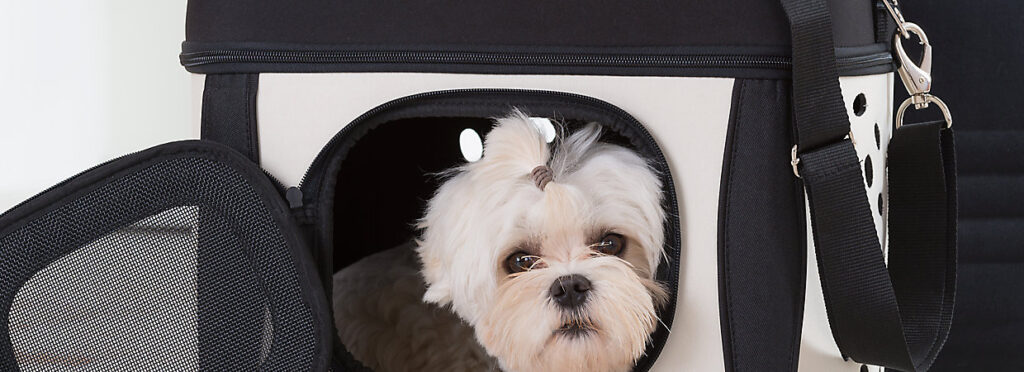
The use of carriers for sleep is a topic of debate among pet owners, with valid points on both sides.
Pros and Cons of Overnight Carrier Use
Weighing the pros and cons can help you make an informed decision:
- Plussaa:
- Turvallisuus: A carrier provides a secure space where your dog feels safe and protected.
- Rajat: It helps establish boundaries and prevents destructive behaviors during sleep.
- Siirrettävyys: Easy to move and transport, especially in unfamiliar environments.
- Miinukset:
- Space Restriction: Some dogs may feel confined or cramped, leading to discomfort.
- Overdependence: Prolonged use may lead to overdependence on the carrier for sleep, affecting other sleep training efforts.
Expert Recommendations
Insights from experts can provide guidance on the appropriate use of carriers for sleep:
- Asteittainen käyttöönotto: Introduce the carrier as a sleep option gradually, allowing your dog to explore and feel comfortable in it.
- Käyttäytymisen seuranta: Keep an eye on your dog’s behavior and adjust the use of the carrier based on their response and comfort level.
- Alternative Options: Consider other sleep arrangements if your dog shows signs of stress or discomfort, such as a designated sleeping area in your home.
Alternative Sleeping Arrangements
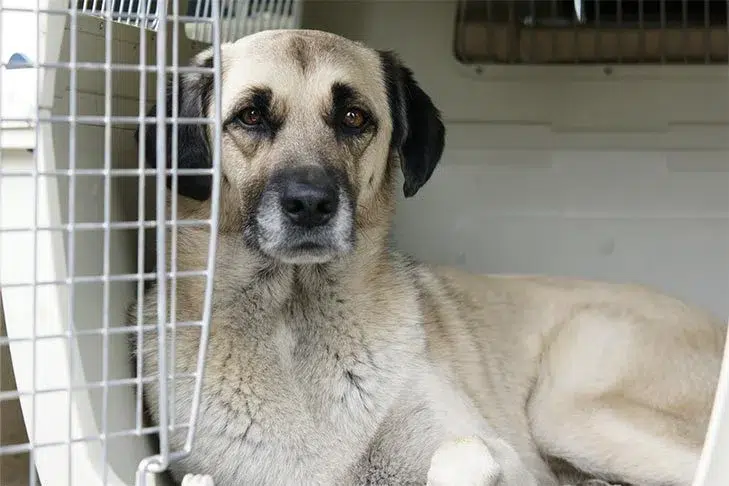
While pet carriers can be a versatile solution for many dogs, some may require alternative sleeping arrangements due to age, health, or personal preferences.
Voiko koira nukkua lemmikkikärryssä?
Options for Senior and Special Needs Dogs
For senior dogs or those with special needs, comfort and accessibility are paramount:
- Korotetut sängyt: These can provide support and reduce joint strain, making it easier for dogs to get in and out of bed.
- Orthopedic Mattresses: These can offer additional cushioning and support for dogs with arthritis or other joint issues.
- Lämmitetyt vuoteet: For dogs that suffer from stiffness or cold intolerance, heated beds can provide warmth and relief.
- Soft, Cozy Spaces: Create a soft, cozy area with plenty of blankets and pillows for dogs that prefer a more traditional sleeping environment.
Designing a Comfortable Sleeping Space
Creating a comfortable sleep area at home involves understanding your dog’s needs and preferences:
- Sijainti: Choose a quiet, low-traffic area of your home where your dog can rest undisturbed.
- Lämpötila: Consider the room temperature and your dog’s tolerance to heat or cold. Some dogs may prefer a cooler area, while others might need a warmer spot.
- Turvallisuus: Ensure the sleeping area is safe from hazards and is easily accessible for your dog.
- Henkilökohtainen kosketus: Add items that carry your scent or your dog’s favorite toys to make the space feel familiar and comforting.
Conclusion: Carrier Comfort and Usage
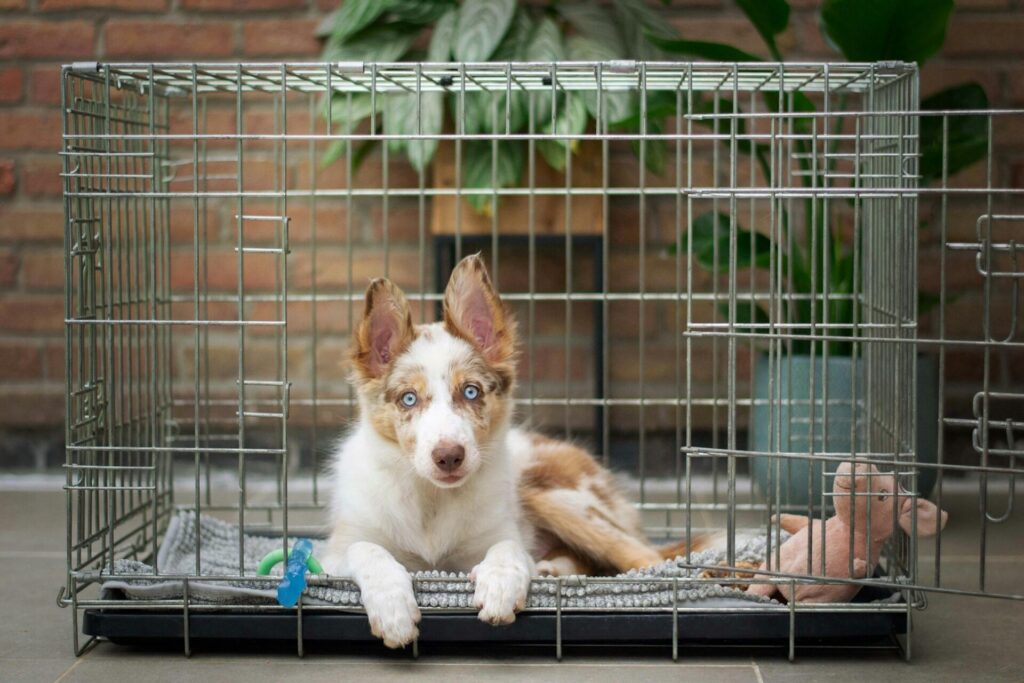
In conclusion, pet carriers play a significant role in a dog’s life, from providing a secure space during travel to aiding in training and housebreaking. Ensuring long-term comfort and acceptance is key to integrating carriers into a comprehensive dog care routine.
Long-Term Carrier Acceptance
To ensure your dog continues to find the carrier comfortable, consider the following:
- Säännöllinen puhdistus: Keep the carrier clean and fresh to maintain a pleasant environment.
- Size Adjustment: As your dog grows, you may need to upgrade to a larger carrier to ensure they have enough space.
- Lajike: Offer different types of carriers for different situations, such as a soft-sided carrier for short trips and a hard-sided crate for longer journeys.
Integrating Carriers into Dog Care
Pet carriers should be seen as an integral part of a dog’s care routine, not just a travel accessory:
- Päivittäinen käyttö: Incorporate the carrier into your dog’s daily routine, such as using it for short periods during the day to reinforce positive associations.
- Koulutus: Use the carrier as a tool in training sessions to help your dog focus and learn commands more effectively.
- Turvallisuus: Always have a carrier on hand for emergencies or unexpected situations, ensuring your dog has a safe space to retreat to.



 English
  Turkish
  German
  Dutch
Dutch  French
  Greek
Greek  Danish
  Finnish
  Swedish
  Italian
  Polish
  Portuguese
  Russian
  Spanish