

When it comes to the comfort and safety of our canine companions, the question “Can a dog sleep in a pet carrier?” often arises. This comprehensive guide delves into the nuances of pet carrier use, offering valuable insights into creating a cozy, secure environment for your dog that enhances their quality of life both in travel and at home. Whether you’re preparing for a journey or seeking to establish a safe space for rest, this guide provides the essential knowledge to ensure your dog’s well-being is never compromised.
Can a Dog Sleep in a Pet Carrier? A Comprehensive Guide to Pet Comfort and Safety
Introduction to Pet Carriers
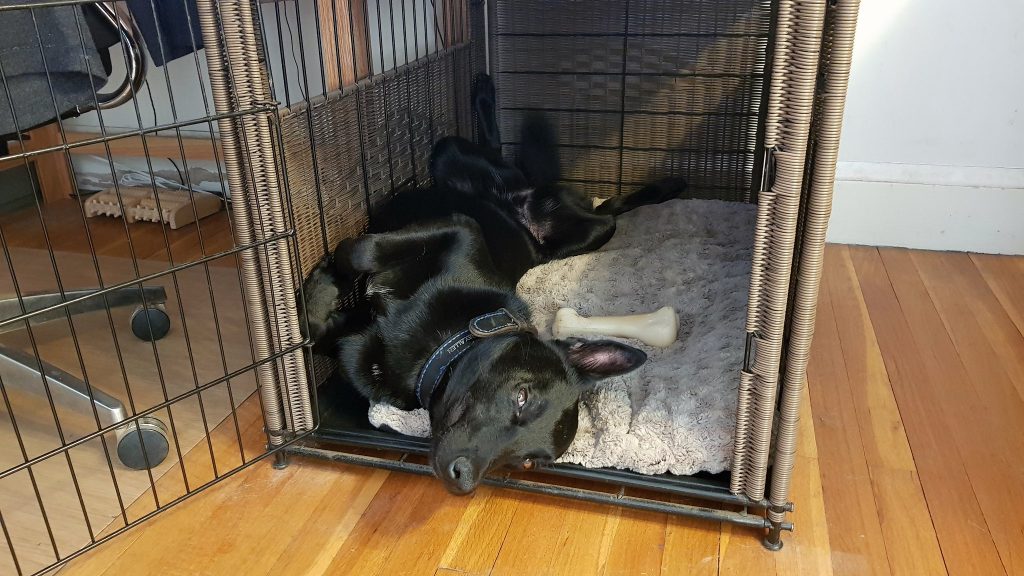
Pet carriers are an essential part of a pet owner’s toolkit, offering a portable sanctuary for our furry friends. They serve as a safe haven during travel, a training aid, and a cozy resting spot. Understanding the purpose of pet carriers is crucial to ensuring the well-being and comfort of your dog.
Purpose of Pet Carriers
Pet carriers are designed to provide a sense of security and comfort to dogs. They are a familiar space where dogs can retreat to when feeling overwhelmed or anxious. The enclosed nature of a carrier simulates the safety of a den, allowing dogs to relax and rest, even in unfamiliar environments.
Benefits of Using Pet Carriers
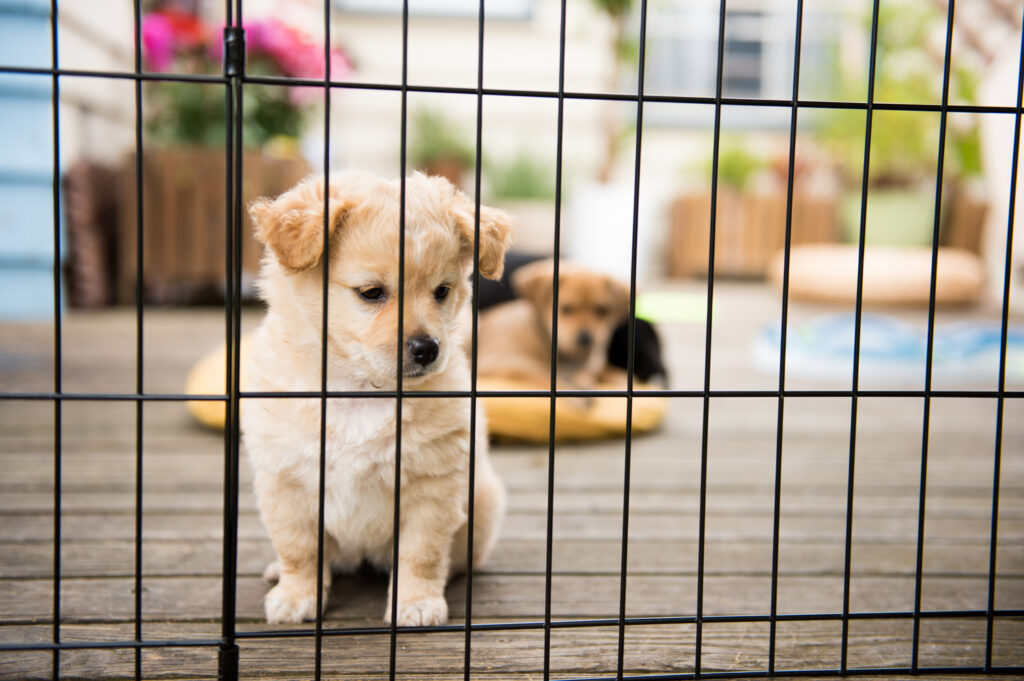
The benefits of using pet carriers extend beyond mere transportation. They play a significant role in enhancing the overall quality of life for our pets.
Enhancing Dog Behavior and Training
Carriers are not just for travel; they are also valuable tools in dog behavior and training. A carrier can be used to teach puppies about boundaries and to create a calm, focused environment for training sessions. The confined space can help reduce distractions and encourage dogs to pay attention to their handlers, leading to better training outcomes.
Creare un ambiente sicuro
A pet carrier is a dog’s personal safe space, especially during travel or in busy environments. It provides a secure area for rest, protecting them from potential dangers and helping to reduce stress. For example, a dog that is crate-trained is less likely to roam around a car, reducing the risk of injury in case of sudden stops.
Making Carriers Comfortable for Sleep
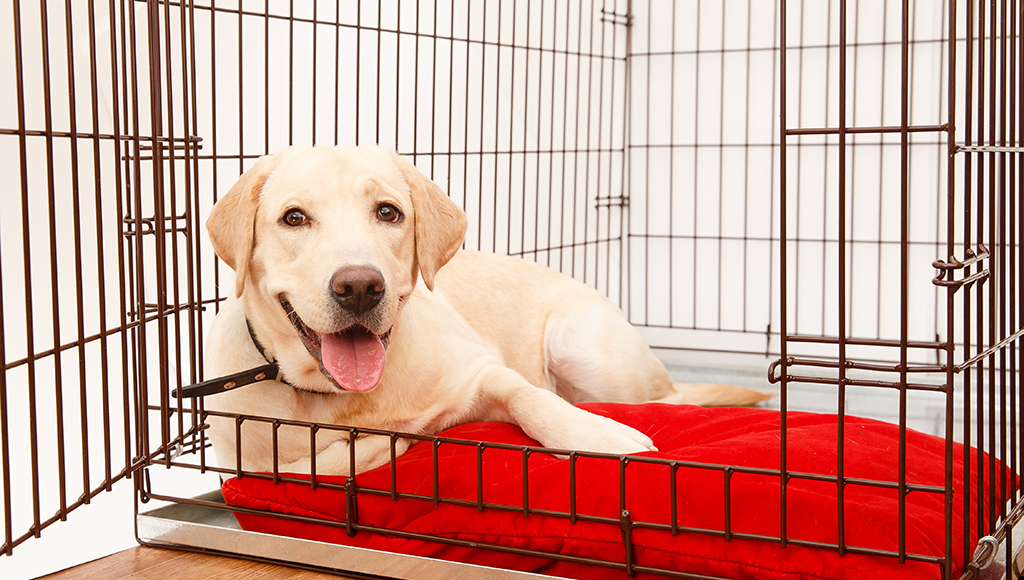
A pet carrier should be more than just a container for transport; it should be a cozy nest that your dog looks forward to. Here’s how to transform that carrier into a sleep haven.
Selecting Bedding and Accessories
Choosing the right bedding and accessories is key to making a carrier comfortable for sleep. Opt for materials that are easy to clean and provide adequate insulation. Consider the following guidelines:
- Le dimensioni contano: Ensure the bedding fits the carrier well, leaving enough room for your dog to turn around but not so much that they could get lost in it.
- Il comfort prima di tutto: Look for soft, cushioned materials that will provide support and warmth.
- Safety: Avoid small parts or loose fabric that could pose a choking hazard.
- Igiene: Select bedding that is machine washable to maintain cleanliness, especially for long trips or multiple uses.
Familiarizing Your Dog with the Carrier
Introducing your dog to their carrier should be a positive experience. Here are some techniques to make the carrier a familiar and inviting space:
- Scent: Place items with your scent in the carrier, such as an old t-shirt, to provide a sense of familiarity.
- Associazione positiva: Feed your dog their meals or give them treats inside the carrier to create a positive association.
- Introduzione graduale: Start by leaving the carrier door open and allowing your dog to explore at their own pace.
- Tempo di silenzio: Encourage your dog to rest in the carrier during quiet times at home, making it a part of their daily routine.
Acclimation Process for Dogs
The process of getting your dog used to their carrier is crucial for a stress-free experience, especially during travel.
Introducing the Carrier
Follow these step-by-step instructions to help your dog feel at ease with their new carrier:
- Initial Exposure: Let your dog sniff and explore the carrier without any pressure.
- Sessioni brevi: Start with short periods of time inside the carrier, gradually increasing as your dog becomes more comfortable.
- Encouragement: Use a gentle voice and body language to encourage your dog to enter the carrier.
- Ricompensa: Offer praise and treats when your dog willingly enters and stays in the carrier.
Tecniche di rinforzo positivo
Positive reinforcement is a powerful tool in helping your dog accept the carrier. Here’s how to use it effectively:
- Immediate Reward: Give treats and praise immediately after your dog enters the carrier to reinforce the behavior.
- Coerenza: Be consistent with your rewards to strengthen the association between the carrier and positive experiences.
- Varietà: Use a variety of treats and toys to keep the experience engaging and prevent boredom.
Crate and Carrier Use in Training and Housebreaking
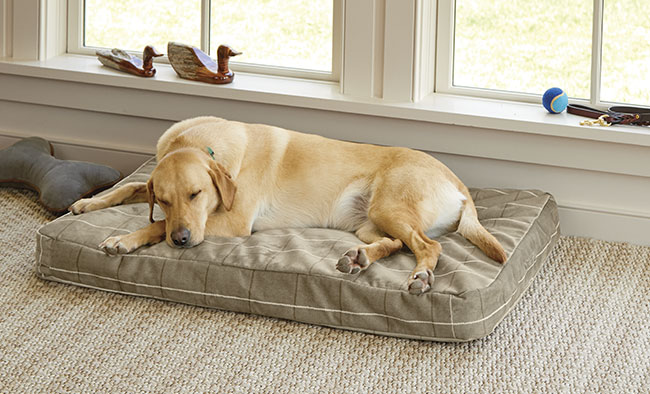
Crates and carriers are not just for transportation; they play a pivotal role in training and housebreaking your puppy, providing a structured environment that aids in learning essential behaviors.
Potty Training with Carriers
Using crates and carriers can significantly ease the process of housebreaking your puppy. Here’s how:
- Pause programmate: Establish a routine of taking your puppy out at regular intervals for potty breaks, reinforcing the idea that the carrier or crate is not a place for elimination.
- Short Stays: Initially, keep your puppy in the crate for short periods, gradually increasing the duration as they become more comfortable.
- Immediate Praise: Praise your puppy immediately after they eliminate outside, reinforcing the positive behavior.
- Evitare i rimproveri: Non sgridare mai il cucciolo in caso di incidenti all'interno della cassa, perché questo può creare un'associazione negativa con la cassa e ostacolare i progressi dell'addestramento.
Controllo comportamentale e sicurezza
I portatori sono preziosi per gestire il comportamento e garantire la sicurezza, soprattutto nelle prime fasi dell'addestramento:
- Confini: Un trasportino fornisce confini chiari, aiutando i cuccioli a capire dove sono autorizzati a vagare e dove no.
- Riduzione della distrazione: Lo spazio ristretto di un trasportino può ridurre le distrazioni, rendendo più facile per i cuccioli concentrarsi sui comandi di addestramento.
- Safety: In ambienti affollati o durante i viaggi, un trasportino tiene il cucciolo al sicuro da potenziali pericoli.
Elementi essenziali per l'addestramento notturno in gabbia
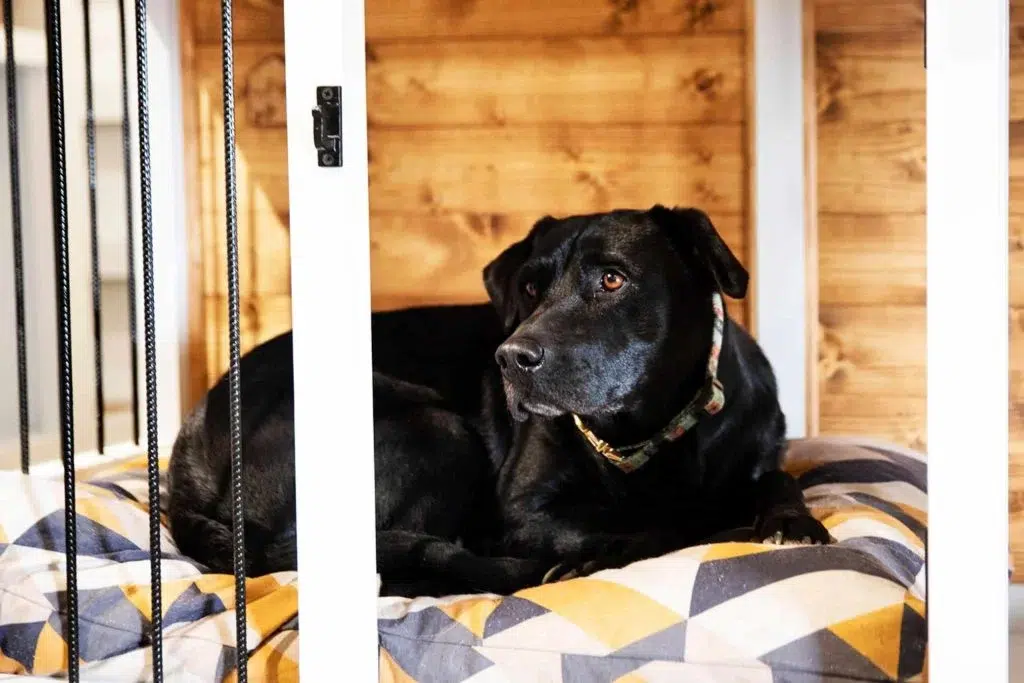
Stabilire una routine notturna che includa l'uso della cassa è fondamentale sia per l'addestramento del cucciolo che per la tranquillità del proprietario.
Stabilire una routine del sonno
Creare una routine notturna coerente può aiutare il cucciolo a capire quando è il momento di riposare:
- Ora di cena: Somministrate la cena al cucciolo qualche ora prima di andare a dormire per consentire la digestione e ridurre la necessità di fare i bisognini notturni.
- Tempo di silenzio: Prima di sistemare il cucciolo nella gabbia per la notte, è necessario svolgere attività calmanti come una passeggiata o un gioco.
- Coerenza: Seguire la stessa routine ogni sera per aiutare il cucciolo ad anticipare e ad adattarsi agli orari.
Passaggio al sonno indipendente
Il passaggio dei cuccioli al sonno autonomo è un processo graduale:
- Separazione graduale: Iniziate a lasciare il cucciolo nella cassa per brevi periodi durante il giorno e aumentate gradualmente il tempo man mano che si sente a suo agio.
- Articoli di comfort: Fornire oggetti familiari, come un giocattolo preferito o un capo di abbigliamento, per offrire conforto e sicurezza.
- Pausa notturna per il vasino: Inizialmente, portate il cucciolo a fare i bisognini poco prima di andare a letto e di nuovo nel cuore della notte per ridurre le possibilità di incidenti.
Viaggiare con il cane in un trasportino
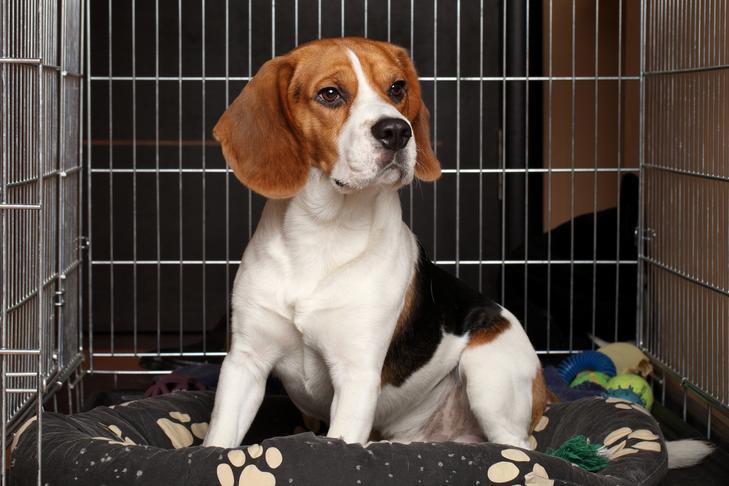
Viaggiare con il proprio cane può essere un'avventura emozionante, ma richiede un'attenta pianificazione e preparazione per garantire un viaggio sicuro e confortevole sia per voi che per il vostro animale.
Preparazione al viaggio in aereo
Volare con il proprio cane comporta diverse fasi per garantire un'esperienza senza problemi:
- Controllo della salute: Assicurarsi che il cane sia aggiornato sulle vaccinazioni e che abbia un certificato di buona salute dal veterinario.
- Dimensione del vettore: Scegliere un trasportino che soddisfi i requisiti della compagnia aerea e sia abbastanza grande da permettere al cane di stare in piedi, girarsi e sdraiarsi comodamente.
- Politiche delle compagnie aeree: Ricercare le politiche specifiche della compagnia aerea con cui si vola, comprese le tariffe, le restrizioni e gli eventuali documenti richiesti.
- Acclimatazione: Esponete gradualmente il cane al trasportino in un ambiente non di viaggio per ridurre l'ansia durante il volo.
- Programma di alimentazione: Regolare gli orari di alimentazione per ridurre al minimo le pause bagno durante il volo.
Migliorare il comfort di viaggio
Rendere l'esperienza di viaggio il più confortevole possibile è fondamentale per il benessere del cane:
- Controllo della temperatura: Assicurarsi che il trasportatore sia ben ventilato e protetto da temperature estreme.
- Riduzione del rumore: Considerate l'utilizzo di ausili calmanti come un apparecchio per il rumore bianco o un diffusore di feromoni per aiutare il cane a sopportare i rumori sconosciuti del viaggio.
- Idratazione: Fornite l'accesso all'acqua, ma fate attenzione al programma di alimentazione per evitare la cinetosi.
- Articoli familiari: Includere oggetti familiari, come un giocattolo preferito o un capo d'abbigliamento, per dare conforto e senso di sicurezza.
Dibattito sull'uso dei marsupi per il sonno
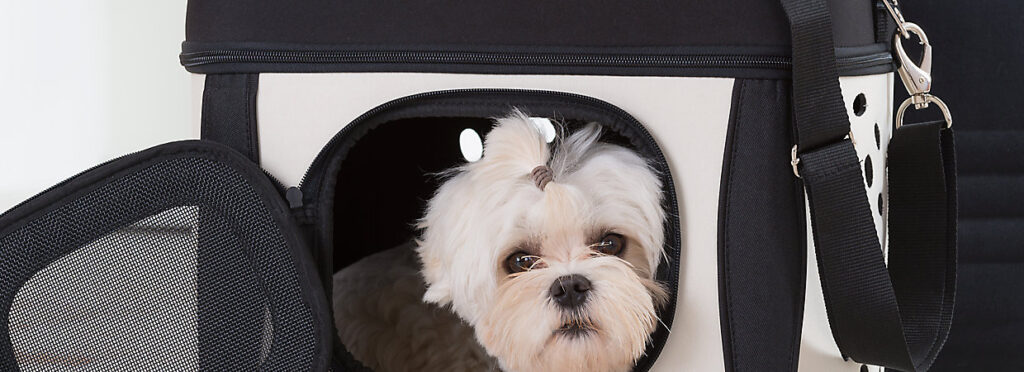
L'uso dei trasportini per dormire è un argomento di dibattito tra i proprietari di animali domestici, con punti di vista validi da entrambe le parti.
Pro e contro dell'uso del trasportatore per la notte
Soppesare i pro e i contro può aiutarvi a prendere una decisione informata:
- Pro:
- Sicurezza: Il trasportino offre uno spazio sicuro in cui il cane si sente protetto e protetto.
- Confini: Aiuta a stabilire dei limiti e a prevenire comportamenti distruttivi durante il sonno.
- Portabilità: Facile da spostare e trasportare, soprattutto in ambienti non familiari.
- Contro:
- Space Restriction: Some dogs may feel confined or cramped, leading to discomfort.
- Overdependence: Prolonged use may lead to overdependence on the carrier for sleep, affecting other sleep training efforts.
Expert Recommendations
Insights from experts can provide guidance on the appropriate use of carriers for sleep:
- Introduzione graduale: Introduce the carrier as a sleep option gradually, allowing your dog to explore and feel comfortable in it.
- Monitoraggio del comportamento: Keep an eye on your dog’s behavior and adjust the use of the carrier based on their response and comfort level.
- Alternative Options: Consider other sleep arrangements if your dog shows signs of stress or discomfort, such as a designated sleeping area in your home.
Alternative Sleeping Arrangements
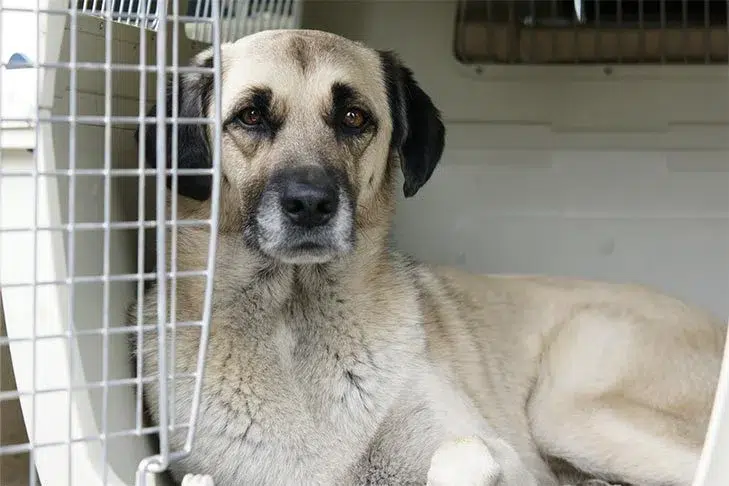
While pet carriers can be a versatile solution for many dogs, some may require alternative sleeping arrangements due to age, health, or personal preferences.
Un cane può dormire in un trasportino?
Options for Senior and Special Needs Dogs
For senior dogs or those with special needs, comfort and accessibility are paramount:
- Letti rialzati: These can provide support and reduce joint strain, making it easier for dogs to get in and out of bed.
- Orthopedic Mattresses: These can offer additional cushioning and support for dogs with arthritis or other joint issues.
- Letti riscaldati: For dogs that suffer from stiffness or cold intolerance, heated beds can provide warmth and relief.
- Soft, Cozy Spaces: Create a soft, cozy area with plenty of blankets and pillows for dogs that prefer a more traditional sleeping environment.
Designing a Comfortable Sleeping Space
Creating a comfortable sleep area at home involves understanding your dog’s needs and preferences:
- Posizione: Choose a quiet, low-traffic area of your home where your dog can rest undisturbed.
- Temperatura: Consider the room temperature and your dog’s tolerance to heat or cold. Some dogs may prefer a cooler area, while others might need a warmer spot.
- Safety: Ensure the sleeping area is safe from hazards and is easily accessible for your dog.
- Tocco personale: Add items that carry your scent or your dog’s favorite toys to make the space feel familiar and comforting.
Conclusion: Carrier Comfort and Usage
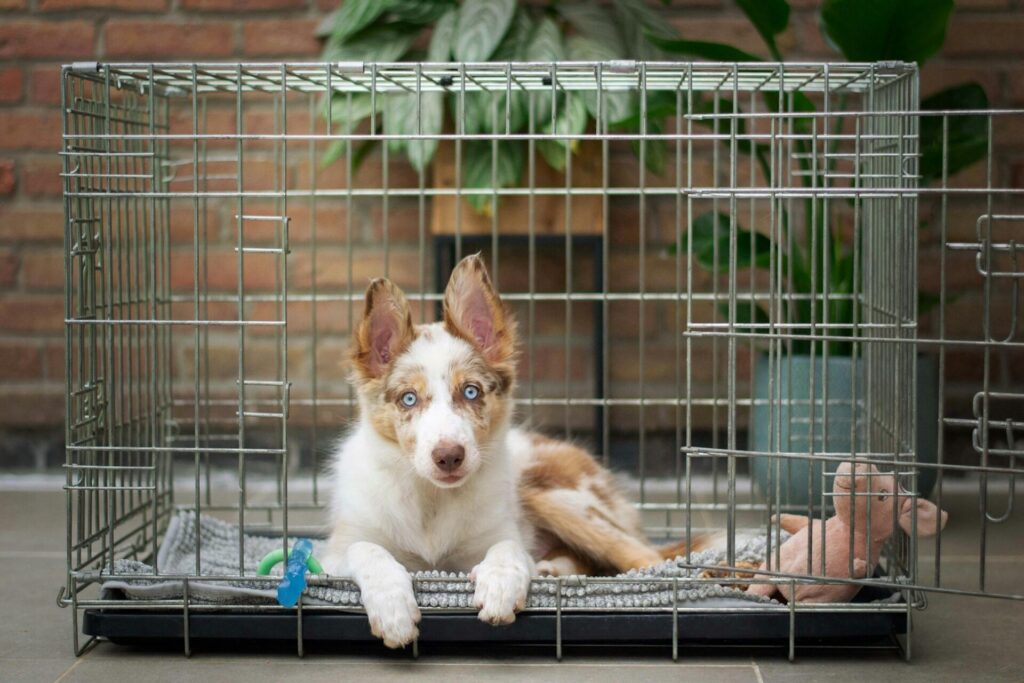
In conclusion, pet carriers play a significant role in a dog’s life, from providing a secure space during travel to aiding in training and housebreaking. Ensuring long-term comfort and acceptance is key to integrating carriers into a comprehensive dog care routine.
Long-Term Carrier Acceptance
To ensure your dog continues to find the carrier comfortable, consider the following:
- Pulizia regolare: Keep the carrier clean and fresh to maintain a pleasant environment.
- Size Adjustment: As your dog grows, you may need to upgrade to a larger carrier to ensure they have enough space.
- Varietà: Offer different types of carriers for different situations, such as a soft-sided carrier for short trips and a hard-sided crate for longer journeys.
Integrating Carriers into Dog Care
Pet carriers should be seen as an integral part of a dog’s care routine, not just a travel accessory:
- Daily Use: Incorporate the carrier into your dog’s daily routine, such as using it for short periods during the day to reinforce positive associations.
- Formazione: Use the carrier as a tool in training sessions to help your dog focus and learn commands more effectively.
- Safety: Always have a carrier on hand for emergencies or unexpected situations, ensuring your dog has a safe space to retreat to.



 English
  Turkish
  German
  Dutch
Dutch  French
  Greek
Greek  Danish
  Finnish
  Swedish
  Italian
  Polish
  Portuguese
  Russian
  Spanish