
When does My Dog Need a Coat? Comprehensive Strategies for Keeping Your Dog Warm at Night
As winter approaches, keeping your dog warm becomes a top priority for pet owners. This article delves into “Quand mon chien a-t-il besoin d'un manteau ?” and offers comprehensive strategies to help you recognize your dog’s vulnerability to the cold and take appropriate warmth measures.
Évaluer la vulnérabilité de votre chien au froid

Identifier les besoins spécifiques à la race
Every dog has unique needs when it comes to staying warm, especially during the colder months. Here’s a quick guide to help you understand what your dog’s breed might require:
- Petites races: These little guys have a larger surface area relative to their body mass, which means they lose heat faster. Consider providing them with extra insulation like a heated pad or a thick, cozy bed.
- Races sans poils: Breeds like the Xoloitzcuintli or Chinese Crested have little to no hair, making them extremely sensitive to cold temperatures. Invest in high-quality dog coats and blankets to keep them warm.
- Races arctiques: While they have thick coats that are designed for cold weather, dogs like Huskies and Malamutes can still get too cold if they’re outside for extended periods. Make sure they have a warm place to rest when they come in from the cold.
Reconnaître les signes d'inconfort par temps froid
It’s crucial to be able to recognize when your dog is uncomfortable due to the cold. Here are some signs to watch for:
- Frissons: If your dog is visibly shivering, it’s a clear sign that they’re feeling the chill. This is the time to provide extra warmth.
- En quête de chaleur: If your dog is always trying to get close to heat sources like you, a heater, or even the warm air from a vent, it’s a sign they’re trying to stay warm.
- Léthargie: A dog that’s usually energetic but suddenly becomes less active could be feeling the effects of the cold. Monitor their behavior and make adjustments to their environment if needed.
Créer un sanctuaire intérieur parfait

Choisir des lits isolés et ergonomiques pour chiens
A good night’s sleep is essential, and the right dog bed can make all the difference in keeping your dog warm:
- Mousse à mémoire de forme: These beds mold to your dog’s body, providing both comfort and insulation. They retain heat well, making them ideal for colder nights.
- Options orthopédiques: For older dogs or those with joint issues, orthopedic beds can provide the necessary support and cushioning to keep them comfortable.
- Waterproof and Easy to Clean: Look for beds that are easy to clean and maintain. This is not only practical but also ensures your dog’s sleeping area stays hygienic.
Utilisation de chauffages d'appoint et de systèmes de contrôle de la température
While heaters can be a great way to keep your home warm, safety is paramount:
- La sécurité avant tout: Always use space heaters with caution. Keep them in a place where your dog can’t accidentally knock them over or get too close to the heat source.
- Réglages du thermostat: Aim for a comfortable room temperature of around 65-70°F (18-21°C) for most dogs. Adjust based on your dog’s specific needs and comfort.
- Smart Thermostats: Consider investing in a smart thermostat that allows you to control the temperature from your phone or set schedules for when the heat is on.
Maximiser les propriétés isolantes de votre maison
There are several ways to improve your home’s insulation to help keep the cold out:
- Joint d'étanchéité: Seal any gaps around windows and doors to prevent drafts. This simple step can make a significant difference in your home’s warmth.
- Insulated Windows: If your budget allows, consider upgrading to double-pane or thermal windows, which are more effective at keeping the heat in.
- Tapis et moquettes: Cold floors can be uncomfortable for your dog’s paws. Adding rugs or carpets can provide a warm and cozy surface for them to walk on.
Sécurité et confort des chiens d'extérieur

Construire ou choisir la bonne niche isolée pour chien
When it comes to outdoor living, a well-insulated dog house is a must. Here’s what to consider:
- Insulation Material: Opt for houses made with materials that provide good insulation, such as rigid foam or fiberglass. These materials help retain heat and keep the cold out.
- Taille: The house should be large enough for your dog to stand up, turn around, and lie down comfortably. Remember, a snug fit is warmer than a spacious one.
- Ventilation: Ensure there’s proper ventilation to prevent moisture buildup, which can lead to mold and make your dog uncomfortable.
Protection contre le vent et l'humidité
The elements can be harsh, so it’s essential to protect your dog from wind and moisture:
- Barrières contre le vent: Position the dog house in a sheltered area, such as against a wall or fence, to block the wind.
- Surplomb du toit: Look for a house with an overhanging roof to protect against rain and snow.
- Drainage: Ensure the area around the house is well-drained to prevent water from pooling and seeping into the house.
Un espace chaud et sec pour les chiens d'extérieur
A dry and warm space is crucial for your dog’s comfort and health:
- Literie: Use waterproof and insulating bedding, such as thick blankets or self-warming pads, to keep your dog cozy.
- Contrôles réguliers: Check the dog house regularly to ensure it’s dry and clean. Wet or dirty bedding can quickly make the space uncomfortable.
- Alternative Shelters: In extreme weather, consider bringing your dog inside or providing a more substantial shelter, like a garage or shed.
Le rôle des vêtements dans la thermorégulation canine

Types de manteaux pour chiens et leurs propriétés isolantes
Clothing can be a game-changer for dogs that need a little extra help staying warm:
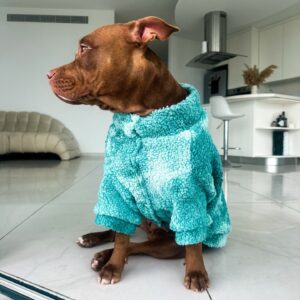
- Manteaux en laine polaire: These are lightweight and provide a good level of insulation, perfect for milder cold.
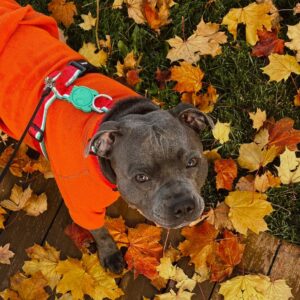
- Manteaux imperméables: Ideal for wet and cold conditions, these coats keep your dog dry and warm.
- Manteaux thermiques: For extreme cold, look for coats with thermal lining that can provide additional warmth.
Choisir le bon ajustement pour une chaleur maximale
A well-fitting coat is essential for keeping your dog warm:
- Mesurer avec précision: Use a measuring tape to get your dog’s neck, chest, and back length measurements to ensure a proper fit.
- Essayer avant d'acheter: If possible, try the coat on your dog before purchasing to ensure it’s not too tight or too loose.
- Caractéristiques réglables: Look for coats with adjustable features, such as Velcro or buckles, to customize the fit.
Répondre aux besoins des races à poil court et sans poil
Some breeds are more susceptible to the cold due to their lack of fur:
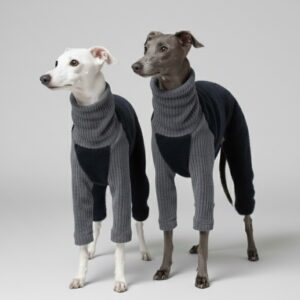
- Vêtements superposés: Consider using multiple layers for these breeds. A base layer to wick away moisture, followed by an insulating layer, can be very effective.
- Chaussons et cache-oreilles: Protect paws and ears, which are prone to frostbite, with booties and ear covers designed for dogs.
- Temps à l'intérieur: For hairless breeds, consider spending more time indoors during the coldest parts of the day.
Surveillance de la santé et soins vétérinaires

Reconnaître les maladies liées à l'exposition au froid
Cold weather can sometimes lead to health issues in dogs. Being aware of these signs can help you take prompt action:
- Hypothermie: Look out for shivering, lethargy, and low body temperature. If you suspect hypothermia, get your dog to a warm place and consult a vet immediately.
- Engelures: Check for cold, hard, and discolored skin, especially on the ears, tail, and paws. Warm the area gently with a warm (not hot) cloth and seek veterinary advice.
- Questions respiratoires: Shortness of breath or coughing can indicate difficulty in cold air, especially for breeds with short muzzles.
Préparation aux situations d'urgence vétérinaire
Being prepared for emergencies can save valuable time and potentially your dog’s life:
- Kit d'urgence: Keep a pet first-aid kit that includes supplies for treating hypothermia and frostbite, as well as contact information for your vet and a 24-hour emergency clinic.
- Connaître les signes: Familiarize yourself with the symptoms of common cold-weather illnesses so you can act quickly.
- Plan d'urgence: Have a plan for how to get your dog to a vet in bad weather, including having a pet carrier and a way to keep your dog warm during transport.
Contrôles réguliers et soins préventifs
Preventive care is key to keeping your dog healthy, especially in cold weather:
- Vaccinations: Ensure your dog’s vaccinations are up to date to protect against illnesses that can be exacerbated by cold weather.
- La nutrition: Consult your vet about adjusting your dog’s diet for the colder months, as some dogs may need more calories to maintain their body temperature.
- Toilettage: Regular grooming helps maintain your dog’s natural insulation. However, avoid shaving down thick coats completely, as some length is needed to protect against the cold.
Techniques d'isolation avancées

Utilisation de couvertures réfléchissantes et de matériaux isolants
Advanced materials can significantly improve your dog’s comfort in cold conditions:
- Couvertures réfléchissantes: These blankets reflect your dog’s body heat back to them, providing an extra layer of warmth without adding bulk.
- Matériaux isolants: Consider using materials like neoprene or Thinsulate in dog beds or clothing for their superior insulating properties.
Créer des solutions d'isolation bricolées pour les lits pour chiens
DIY projects can be a cost-effective way to provide extra warmth for your dog:
- Insulated Bed Covers: Make or buy a cover for your dog’s bed that is filled with insulating material like polyester fiberfill or even old clothing.
- Heated Pad Inserts: Place a heated pad under your dog’s regular bed to provide a warm surface. Always use pads designed for pets to avoid overheating or electrical hazards.
Exploiter le pouvoir de la chaleur corporelle avec plusieurs animaux de compagnie
If you have more than one pet, their body heat can be a natural and effective way to keep each other warm:
- Dormir en groupe: Encourage your dogs to sleep close together. Their collective body heat can provide significant warmth.
- Multi-Pet Beds: Consider a larger bed designed for multiple pets, where they can cuddle up together for warmth.
Adaptations comportementales au froid

Comprendre les changements dans les habitudes et le comportement de votre chien
Dogs, like humans, can experience changes in behavior and routine due to cold weather. It’s important to recognize these shifts:
- Augmentation du sommeil: Dogs may sleep more in cold weather to conserve energy. Monitor their sleep patterns to ensure they’re not experiencing discomfort or illness.
- Activité réduite: If your dog is less active, provide encouragement with indoor games or温和的 exercise to keep them moving without exposing them to extreme cold.
- Changements d'appétit: Some dogs may eat more in cold weather to generate heat. Monitor food intake and consult a vet if you notice significant changes.
Encourager les comportements naturels de nidification
Supporting your dog’s natural instincts can help them stay warm and comfortable:
- Provide Materials: Give your dog access to blankets or soft materials they can use to build their own nest.
- Créer des espaces douillets: Designate specific areas in your home that are warm and inviting, like a corner with a soft rug and blankets.
- Respect Their Choices: If your dog chooses a particular spot to sleep, ensure it’s safe and comfortable, and consider adding extra insulation or warmth in that area.
Quand mon chien a-t-il besoin d'un manteau? ?
Les troubles affectifs saisonniers chez le chien
Just like humans, dogs can also be affected by seasonal changes:
- Increased Interaction: Spend more time with your dog, engaging in play and providing positive reinforcement to combat any seasonal blues.
- Exercice régulier: Maintain a regular exercise routine, even on cold days, to keep your dog’s mood and energy levels stable.
- Consulter un professionnel: If you notice significant changes in behavior or mood, consult a veterinarian or a professional dog trainer for advice.
Conclusion : Une bonne nuit de sommeil pour votre chien

Retrouver les stratégies clés pour une nuit sans enfants
To ensure your dog stays warm and comfortable, remember these key strategies:
- Appropriate Shelter: Whether indoors or out, ensure your dog has a well-insulated and comfortable place to sleep.
- Proper Clothing: Use dog coats and booties to protect against the cold, especially for breeds with less insulation.
- Surveillance de la santé: Keep an eye on your dog’s health, especially during cold snaps, and be prepared for emergencies.
L'impact d'un environnement chaud sur le bien-être de votre chien
A warm and comfortable environment is crucial for your dog’s overall well-being:
- Amélioration du sommeil: A warm environment can lead to better sleep, which is essential for a dog’s health and energy levels.
- Réduction des risques pour la santé: By keeping your dog warm, you can reduce the risk of cold-related illnesses and conditions.
- Enhanced Bonding: Taking care of your dog’s comfort needs can strengthen the bond between you and your pet.
Établir un plan de confort canin tout au long de l'année
Finally, consider creating a year-round plan to ensure your dog’s comfort:
- Seasonal Checks: Regularly check your dog’s bedding, clothing, and living conditions to ensure they’re appropriate for the changing seasons.
- Health Maintenance: Schedule regular vet check-ups to monitor your dog’s health and address any concerns early.
- Préparation aux situations d'urgence: Always be prepared for emergencies, especially during extreme weather conditions.

 English
  Turkish
  German
  Dutch
Dutch  French
  Greek
Greek  Danish
  Finnish
  Swedish
  Italian
  Polish
  Portuguese
  Russian
  Spanish