
When does My Dog Need a Coat? Comprehensive Strategies for Keeping Your Dog Warm at Night
As winter approaches, keeping your dog warm becomes a top priority for pet owners. This article delves into “Kiedy mój pies potrzebuje sierści?” and offers comprehensive strategies to help you recognize your dog’s vulnerability to the cold and take appropriate warmth measures.
Ocena podatności psa na zimno

Identyfikacja potrzeb specyficznych dla rasy
Every dog has unique needs when it comes to staying warm, especially during the colder months. Here’s a quick guide to help you understand what your dog’s breed might require:
- Małe rasy: These little guys have a larger surface area relative to their body mass, which means they lose heat faster. Consider providing them with extra insulation like a heated pad or a thick, cozy bed.
- Rasy bezwłose: Breeds like the Xoloitzcuintli or Chinese Crested have little to no hair, making them extremely sensitive to cold temperatures. Invest in high-quality dog coats and blankets to keep them warm.
- Rasy arktyczne: While they have thick coats that are designed for cold weather, dogs like Huskies and Malamutes can still get too cold if they’re outside for extended periods. Make sure they have a warm place to rest when they come in from the cold.
Rozpoznawanie oznak dyskomfortu w niskich temperaturach
It’s crucial to be able to recognize when your dog is uncomfortable due to the cold. Here are some signs to watch for:
- Drżenie: If your dog is visibly shivering, it’s a clear sign that they’re feeling the chill. This is the time to provide extra warmth.
- Poszukiwanie ciepła: If your dog is always trying to get close to heat sources like you, a heater, or even the warm air from a vent, it’s a sign they’re trying to stay warm.
- Letarg: A dog that’s usually energetic but suddenly becomes less active could be feeling the effects of the cold. Monitor their behavior and make adjustments to their environment if needed.
Tworzenie idealnego wewnętrznego sanktuarium

Wybór izolowanych i ergonomicznych legowisk dla psów
A good night’s sleep is essential, and the right dog bed can make all the difference in keeping your dog warm:
- Pianka z pamięcią kształtu: These beds mold to your dog’s body, providing both comfort and insulation. They retain heat well, making them ideal for colder nights.
- Orthopedic Options: For older dogs or those with joint issues, orthopedic beds can provide the necessary support and cushioning to keep them comfortable.
- Waterproof and Easy to Clean: Look for beds that are easy to clean and maintain. This is not only practical but also ensures your dog’s sleeping area stays hygienic.
Wykorzystanie ogrzewaczy pomieszczeń i systemów kontroli temperatury
While heaters can be a great way to keep your home warm, safety is paramount:
- Bezpieczeństwo przede wszystkim: Always use space heaters with caution. Keep them in a place where your dog can’t accidentally knock them over or get too close to the heat source.
- Thermostat Settings: Aim for a comfortable room temperature of around 65-70°F (18-21°C) for most dogs. Adjust based on your dog’s specific needs and comfort.
- Smart Thermostats: Consider investing in a smart thermostat that allows you to control the temperature from your phone or set schedules for when the heat is on.
Maksymalizacja właściwości izolacyjnych domu
There are several ways to improve your home’s insulation to help keep the cold out:
- Weatherstripping: Seal any gaps around windows and doors to prevent drafts. This simple step can make a significant difference in your home’s warmth.
- Insulated Windows: If your budget allows, consider upgrading to double-pane or thermal windows, which are more effective at keeping the heat in.
- Rugs and Carpets: Cold floors can be uncomfortable for your dog’s paws. Adding rugs or carpets can provide a warm and cozy surface for them to walk on.
Bezpieczeństwo i wygoda psa na zewnątrz

Budowa lub wybór odpowiedniej izolowanej budy dla psa
When it comes to outdoor living, a well-insulated dog house is a must. Here’s what to consider:
- Insulation Material: Opt for houses made with materials that provide good insulation, such as rigid foam or fiberglass. These materials help retain heat and keep the cold out.
- Rozmiar: The house should be large enough for your dog to stand up, turn around, and lie down comfortably. Remember, a snug fit is warmer than a spacious one.
- Wentylacja: Ensure there’s proper ventilation to prevent moisture buildup, which can lead to mold and make your dog uncomfortable.
Ochrona przed wiatrem i wilgocią
The elements can be harsh, so it’s essential to protect your dog from wind and moisture:
- Bariery wiatrowe: Position the dog house in a sheltered area, such as against a wall or fence, to block the wind.
- Zwis dachu: Look for a house with an overhanging roof to protect against rain and snow.
- Drainage: Ensure the area around the house is well-drained to prevent water from pooling and seeping into the house.
Zapewnienie ciepłej i suchej przestrzeni dla psów przebywających na zewnątrz
A dry and warm space is crucial for your dog’s comfort and health:
- Pościel: Use waterproof and insulating bedding, such as thick blankets or self-warming pads, to keep your dog cozy.
- Regularne kontrole: Check the dog house regularly to ensure it’s dry and clean. Wet or dirty bedding can quickly make the space uncomfortable.
- Alternative Shelters: In extreme weather, consider bringing your dog inside or providing a more substantial shelter, like a garage or shed.
Rola odzieży w termoregulacji psów

Rodzaje kurtek dla psów i ich właściwości izolacyjne
Clothing can be a game-changer for dogs that need a little extra help staying warm:
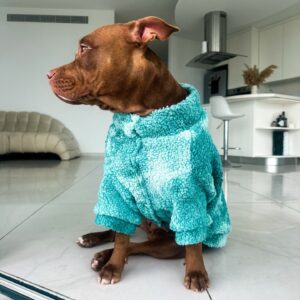
- Płaszcze polarowe: These are lightweight and provide a good level of insulation, perfect for milder cold.
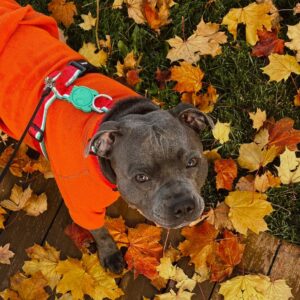
- Płaszcze wodoodporne: Ideal for wet and cold conditions, these coats keep your dog dry and warm.
- Płaszcze termiczne: For extreme cold, look for coats with thermal lining that can provide additional warmth.
Wybór odpowiedniego dopasowania dla maksymalnego ciepła
A well-fitting coat is essential for keeping your dog warm:
- Dokładne pomiary: Use a measuring tape to get your dog’s neck, chest, and back length measurements to ensure a proper fit.
- Try Before You Buy: If possible, try the coat on your dog before purchasing to ensure it’s not too tight or too loose.
- Funkcje regulowane: Look for coats with adjustable features, such as Velcro or buckles, to customize the fit.
Zaspokajanie potrzeb ras krótkowłosych i bezwłosych
Some breeds are more susceptible to the cold due to their lack of fur:
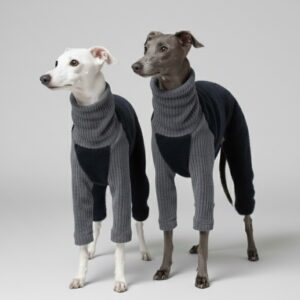
- Layered Clothing: Consider using multiple layers for these breeds. A base layer to wick away moisture, followed by an insulating layer, can be very effective.
- Botki i osłony uszu: Protect paws and ears, which are prone to frostbite, with booties and ear covers designed for dogs.
- Czas w pomieszczeniu: For hairless breeds, consider spending more time indoors during the coldest parts of the day.
Monitorowanie stanu zdrowia i opieka weterynaryjna

Rozpoznawanie chorób związanych z ekspozycją na zimno
Cold weather can sometimes lead to health issues in dogs. Being aware of these signs can help you take prompt action:
- Hipotermia: Look out for shivering, lethargy, and low body temperature. If you suspect hypothermia, get your dog to a warm place and consult a vet immediately.
- Odmrożenie: Check for cold, hard, and discolored skin, especially on the ears, tail, and paws. Warm the area gently with a warm (not hot) cloth and seek veterinary advice.
- Problemy z układem oddechowym: Shortness of breath or coughing can indicate difficulty in cold air, especially for breeds with short muzzles.
Przygotowanie do nagłych sytuacji weterynaryjnych
Being prepared for emergencies can save valuable time and potentially your dog’s life:
- Zestaw awaryjny: Keep a pet first-aid kit that includes supplies for treating hypothermia and frostbite, as well as contact information for your vet and a 24-hour emergency clinic.
- Poznaj znaki: Familiarize yourself with the symptoms of common cold-weather illnesses so you can act quickly.
- Plan awaryjny: Have a plan for how to get your dog to a vet in bad weather, including having a pet carrier and a way to keep your dog warm during transport.
Regularne badania kontrolne i opieka profilaktyczna
Preventive care is key to keeping your dog healthy, especially in cold weather:
- Szczepienia: Ensure your dog’s vaccinations are up to date to protect against illnesses that can be exacerbated by cold weather.
- Odżywianie: Consult your vet about adjusting your dog’s diet for the colder months, as some dogs may need more calories to maintain their body temperature.
- Pielęgnacja: Regular grooming helps maintain your dog’s natural insulation. However, avoid shaving down thick coats completely, as some length is needed to protect against the cold.
Zaawansowane techniki izolacji

Korzystanie z koców odblaskowych i materiałów izolacyjnych
Advanced materials can significantly improve your dog’s comfort in cold conditions:
- Koce odblaskowe: These blankets reflect your dog’s body heat back to them, providing an extra layer of warmth without adding bulk.
- Materiały izolacyjne: Consider using materials like neoprene or Thinsulate in dog beds or clothing for their superior insulating properties.
Tworzenie rozwiązań izolacyjnych DIY dla legowisk dla psów
DIY projects can be a cost-effective way to provide extra warmth for your dog:
- Insulated Bed Covers: Make or buy a cover for your dog’s bed that is filled with insulating material like polyester fiberfill or even old clothing.
- Heated Pad Inserts: Place a heated pad under your dog’s regular bed to provide a warm surface. Always use pads designed for pets to avoid overheating or electrical hazards.
Wykorzystanie mocy ciepła ciała wielu zwierząt domowych
If you have more than one pet, their body heat can be a natural and effective way to keep each other warm:
- Grupowe spanie: Encourage your dogs to sleep close together. Their collective body heat can provide significant warmth.
- Multi-Pet Beds: Consider a larger bed designed for multiple pets, where they can cuddle up together for warmth.
Dostosowanie zachowania do niskich temperatur

Zrozumienie zmian w rutynie i zachowaniu psa
Dogs, like humans, can experience changes in behavior and routine due to cold weather. It’s important to recognize these shifts:
- Zwiększona ilość snu: Dogs may sleep more in cold weather to conserve energy. Monitor their sleep patterns to ensure they’re not experiencing discomfort or illness.
- Zmniejszona aktywność: If your dog is less active, provide encouragement with indoor games or温和的 exercise to keep them moving without exposing them to extreme cold.
- Zmiany apetytu: Some dogs may eat more in cold weather to generate heat. Monitor food intake and consult a vet if you notice significant changes.
Zachęcanie do naturalnych zachowań lęgowych
Supporting your dog’s natural instincts can help them stay warm and comfortable:
- Provide Materials: Give your dog access to blankets or soft materials they can use to build their own nest.
- Create Cozy Spaces: Designate specific areas in your home that are warm and inviting, like a corner with a soft rug and blankets.
- Respect Their Choices: If your dog chooses a particular spot to sleep, ensure it’s safe and comfortable, and consider adding extra insulation or warmth in that area.
Kiedy mój pies potrzebuje sierści?
Przeciwdziałanie sezonowym zaburzeniom afektywnym u psów
Just like humans, dogs can also be affected by seasonal changes:
- Increased Interaction: Spend more time with your dog, engaging in play and providing positive reinforcement to combat any seasonal blues.
- Regularne ćwiczenia: Maintain a regular exercise routine, even on cold days, to keep your dog’s mood and energy levels stable.
- Skonsultuj się z profesjonalistą: If you notice significant changes in behavior or mood, consult a veterinarian or a professional dog trainer for advice.
Wnioski: Ciepły sen dla twojego psa

Kluczowe strategie na noc bez dzieci
To ensure your dog stays warm and comfortable, remember these key strategies:
- Appropriate Shelter: Whether indoors or out, ensure your dog has a well-insulated and comfortable place to sleep.
- Proper Clothing: Use dog coats and booties to protect against the cold, especially for breeds with less insulation.
- Monitorowanie stanu zdrowia: Keep an eye on your dog’s health, especially during cold snaps, and be prepared for emergencies.
Wpływ ciepłego otoczenia na dobre samopoczucie psa
A warm and comfortable environment is crucial for your dog’s overall well-being:
- Lepszy sen: A warm environment can lead to better sleep, which is essential for a dog’s health and energy levels.
- Zmniejszone ryzyko dla zdrowia: By keeping your dog warm, you can reduce the risk of cold-related illnesses and conditions.
- Enhanced Bonding: Taking care of your dog’s comfort needs can strengthen the bond between you and your pet.
Ustanowienie całorocznego planu dla komfortu psów
Finally, consider creating a year-round plan to ensure your dog’s comfort:
- Seasonal Checks: Regularly check your dog’s bedding, clothing, and living conditions to ensure they’re appropriate for the changing seasons.
- Health Maintenance: Schedule regular vet check-ups to monitor your dog’s health and address any concerns early.
- Gotowość na sytuacje awaryjne: Always be prepared for emergencies, especially during extreme weather conditions.

 English
  Turkish
  German
  Dutch
Dutch  French
  Greek
Greek  Danish
  Finnish
  Swedish
  Italian
  Polish
  Portuguese
  Russian
  Spanish